India’s Source Code Demand: Xiaomi, Apple, Google Push Back
Hold onto your hats, tech fans! A significant development has just hit the global tech scene, and it’s got the biggest smartphone players like Xiaomi, Apple, Samsung, and Google in a bit of a standoff with the Indian government. It all boils down to a new proposal that could shake up how your favorite devices are made and secured.
What’s Cooking in India? A New Security Blueprint
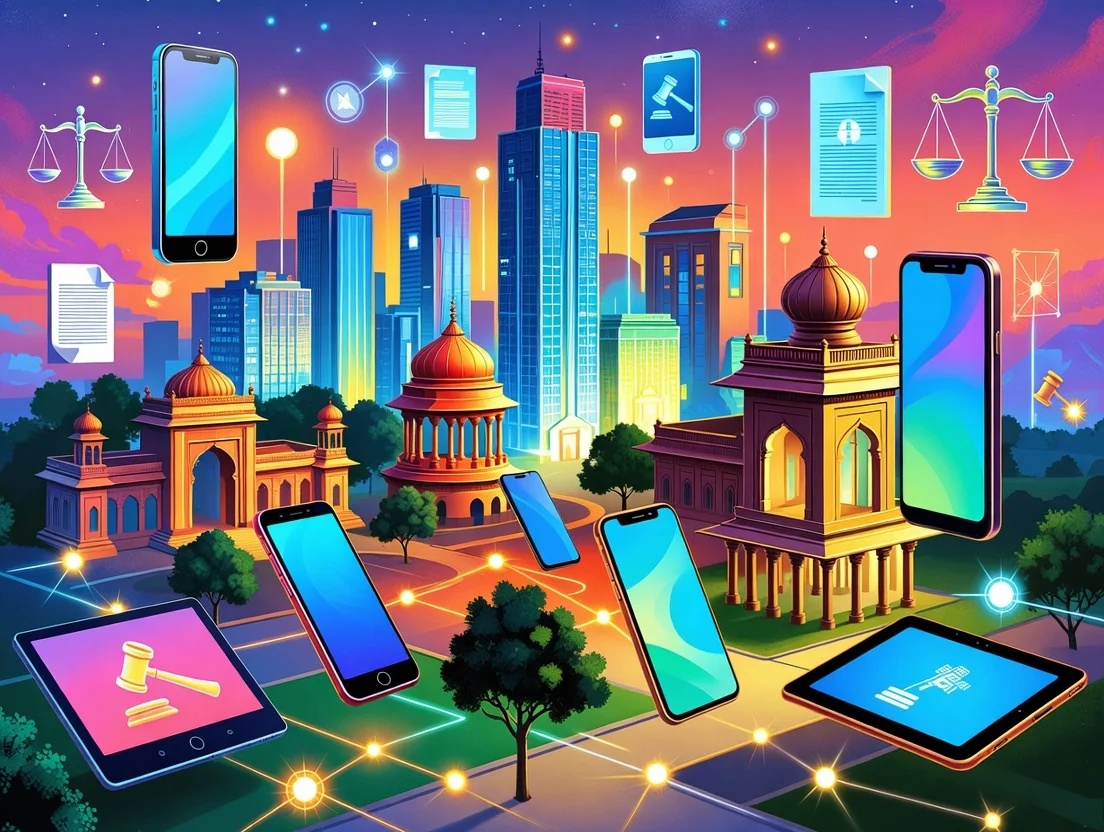
The Indian government, through its Ministry of Electronics and Information Technology and the Department of Telecommunications, has rolled out a new set of security standards called the “Indian Telecom Security Assurance Requirements.” This isn’t just a suggestion; it’s a package of 83 mandatory security standards for smartphone manufacturers. The goal? To beef up security and tackle the rising tide of online fraud and data breaches in India, which is, let’s not forget, the second-largest smartphone market on the planet with nearly 750 million devices.
The Elephant in the Room: Source Code Access
The most contentious part of these new requirements is the demand for manufacturers to grant full access to, or allow thorough review of, their operating system’s source code. Think of source code as the secret DNA of your phone – it’s the underlying programming that makes iOS or Xiaomi’s highly customized Android (like MIUI or HyperOS) tick. The government wants authorized Indian labs to be able to scrutinize this code. The official reasoning is to hunt for security vulnerabilities, prevent malicious exploits, and ultimately protect Indian users from online scams and data theft.
Beyond the source code, the proposal also includes:
- App Management: Requiring manufacturers to allow users to uninstall pre-installed apps (you know, the bloatware we often don’t need).
- Privacy Controls: Enabling users to block background use of cameras, microphones, and location services to prevent sneaky surveillance.
- Malware Scans: Mandating regular malware scanning on devices.
- Update Notifications: Requiring companies to notify the government before rolling out major software updates.
- Log Retention: A demand to keep security logs for 12 months, which some companies argue is practically impossible due to storage limitations.
Why the Big Pushback from Tech Giants?
intellectual property
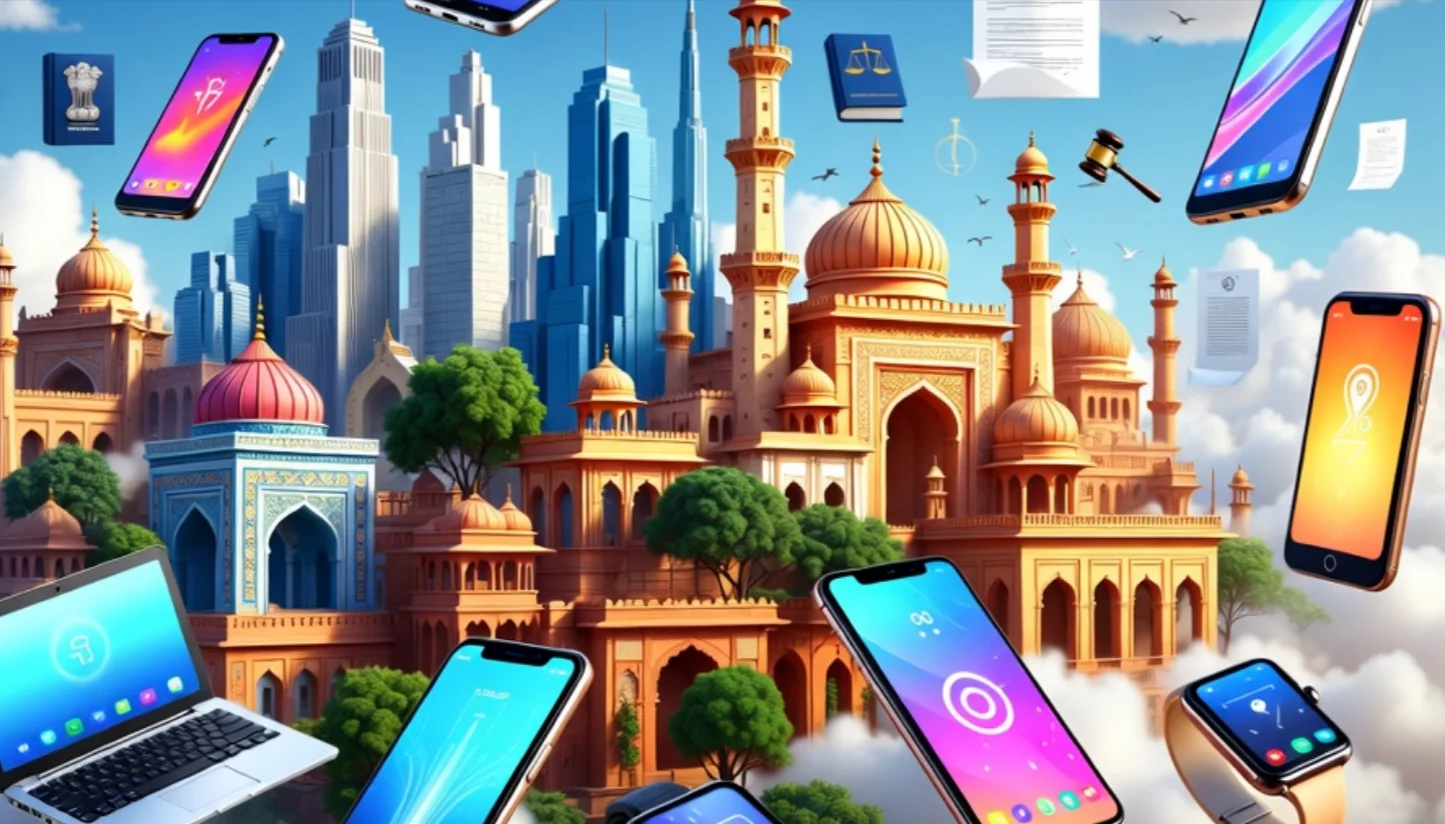
It’s no surprise that companies like Xiaomi, Apple, and Samsung are putting up a serious fight. The source code is, quite frankly, their most valuable intellectual property.
The Crown Jewels: Source Code’s Value
- Apple’s iOS: This is one of the most fiercely protected software assets in the world. Apple has famously refused to hand over iOS source code to China and even to US authorities in the past, most notably in the San Bernardino case. Sharing it would be a fundamental departure from their long-standing policy.
- Xiaomi, Samsung & Google: While Xiaomi and Samsung build on Google’s Android, their custom skins like MIUI and One UI are packed with unique features and optimizations. Revealing this highly customized code could expose trade secrets to competitors, hackers, or even foreign governments.
The Core Arguments Against the Proposal
The tech industry’s collective “no” is based on several strong points:
- No Global Precedent: This kind of mandatory source code disclosure isn’t a common practice anywhere else in the world.
- Catastrophic Leak Risk: Even with the best intentions, the risk of source code leaking from a government-designated lab is immense. A leak could compromise the security of millions, if not billions, of devices globally.
- Intellectual Property & Privacy: Such a demand fundamentally clashes with global norms around trade secrets and corporate privacy.
The MAIT (Manufacturer’s Association of Information Technology), which represents major players like Apple, Samsung, Google, and Xiaomi, has formally requested the government to withdraw this specific requirement, stating it’s “not possible” due to these critical business and privacy concerns.
The Stakes Are High: What’s Next?
Xiaomi holds a significant chunk of the Indian market, estimated at around 19%, with Samsung close behind at 15%. Apple, though smaller at about 5%, is rapidly growing in the premium segment. This isn’t the first time India has taken a strong stance on tech security; they’ve previously imposed strict testing on security cameras over espionage fears and explored mandatory cybersecurity apps.
A crucial meeting is scheduled for January 13, 2026, between the ministry and the tech companies. This is where the future of this proposal will likely be hammered out.
Ultimately, this is a classic tug-of-war: the government’s focus on national security and user protection versus the tech giants’ imperative to safeguard their intellectual property and trade secrets. For Xiaomi and its peers, handing over source code would be like giving away the keys to their entire technological kingdom.
If India pushes this through, it could drastically alter the smartphone landscape in the country, potentially leading to a more government-controlled, though perhaps safer, ecosystem. Or, it might force some companies to seriously reconsider their strategies for this massive market. We’ll be keeping a close eye on this developing story!