Smart Rings vs Xiaomi Wearables: Understanding the Appeal in 2026
smart rings vs Xiaomi wearables. # Smart Rings vs. Xiaomi Wearables: Are Smart Rings Worth It in 2026?
You’ve seen them: sleek, minimalist smart rings like the Oura Ring 4 or the upcoming Samsung Galaxy Ring, boasting impressive health tracking capabilities. But with price tags hovering around $300-$450 (and sometimes more with subscriptions!), it begs the question, especially for us Xiaomi fans: why would anyone choose a smart ring over a feature-packed Redmi Watch 5, Xiaomi Smart Band 9 Pro, or even a Xiaomi Watch 2 Pro? These Xiaomi devices offer vibrant AMOLED screens, epic battery life, precise GPS, and fantastic value, often with NFC payments, calls, and seamless HyperOS integration for a fraction of the cost.
It’s a totally valid question, especially in the Xiaomi community where we champion that sweet spot of quality and affordability. But after diving into 2026 reviews from PCMag, Wareable, Tom’s Guide, and ZDNet, comparing specs, and seeing what people actually use, we’re starting to understand the appeal of smart rings for a specific audience. Let’s break it down, honestly and without the hype.
The Case for Going Ring-Sized: Why Smart Rings Are Gaining Traction

1. Ultimate Discretion: The “I’m Not Wearing a Gadget” Vibe
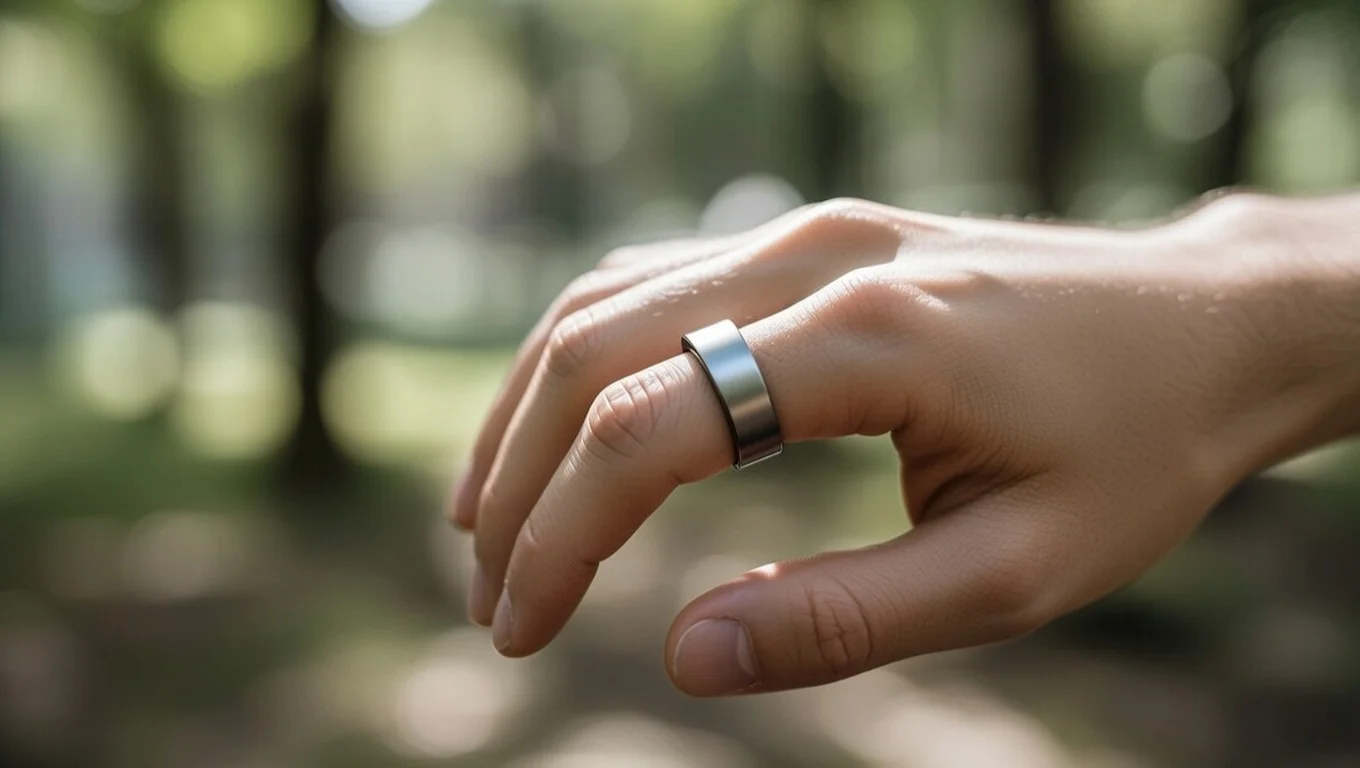
The biggest selling point for smart ring users is simple: “I don’t want to feel a gadget on my wrist all day.” A smart ring weighs a mere 2.3–6 grams. It doesn’t pinch, it doesn’t get in the way while typing, it won’t snag on your sleeve, and crucially, it doesn’t light up or buzz with notifications. Many folks who use a Xiaomi Watch or Redmi Watch for their daily activities (workouts, music control, payments) actually take their watch off at night and slip on just the ring to monitor their sleep.
You’ll often find comments in 2026 forums and reviews like: “My Xiaomi Watch S3 is my go-to all day, but the ring tracks my sleep and recovery without any interruptions.” If you absolutely hate sleeping with a watch – that glowing screen, the sometimes-annoying band on your skin – a smart ring wins hands down for true 24/7 comfort.
2. Sleep and Recovery: Where Rings Often Shine
Independent 2026 tests consistently show that smart rings tend to be more accurate when it comes to sleep tracking, HRV (heart rate variability), skin temperature, and detecting awakenings. This is because the finger has more superficial arteries and less muscle movement compared to the wrist. The Oura Ring 4 continues to lead the pack in sleep accuracy (especially for REM and deep sleep stages), closely followed by the Samsung Galaxy Ring and the Ultrahuman Ring Air.
For biohackers, serious athletes, or those dealing with high levels of work stress, this extra layer of data can be game-changing. Your Xiaomi Smart Band 9 Pro might tell you “you slept 7 hours,” but a premium ring could provide a “Readiness Score” or “Energy Score” that genuinely informs your day: “Your HRV is critically low today, and you have a slight fever – best to skip the intense workout.” If you’re already using a Xiaomi wearable for activity tracking, a smart ring acts as a complementary, passive observer.
3. Minimalist Style: Tech as Jewelry, Not Just a Tracker
An Oura Ring in black titanium or rose gold looks like a regular piece of jewelry. The Galaxy Ring is so discreet you could wear it with a suit without a second thought. We all know within the Xiaomi community that not everyone wants a black square on their wrist 24/7. Professionals, those who love to pair tech with elegant outfits, or fans of traditional analog watches might prefer something that blends in as an accessory rather than screaming “fitness tracker.”
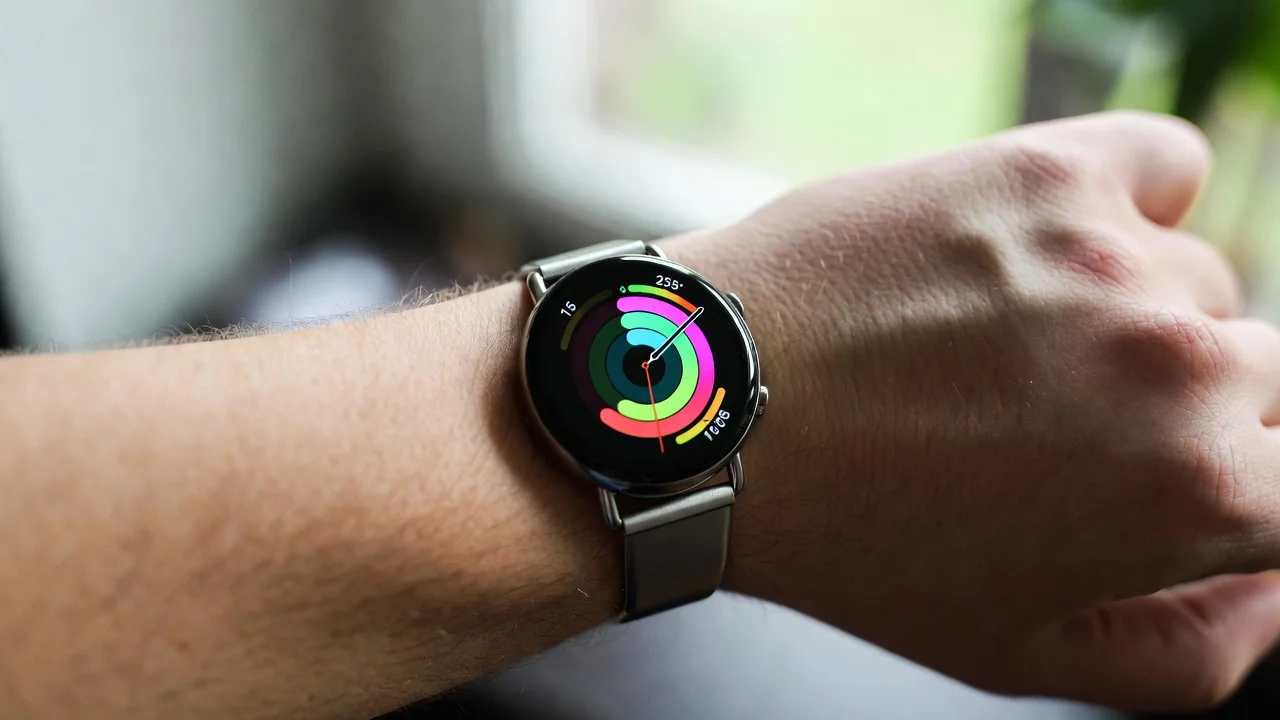
Xiaomi
4. “Set and Forget” Battery Life and No Distracting Screens
Imagine charging your device every 7–12 days, compared to the 1–2 days most smartwatches demand. You put it on, forget about it, and your trusty Xiaomi phone with HyperOS will simply notify you when it’s time for a charge. For anyone seeking digital minimalism, this is pure gold.
But What If Xiaomi Enters the Smart Ring Game?
smart rings vs Xiaomi wearables
As of 2026, Xiaomi has already patented a smart ring with an automatic adjustment mechanism – an elastic or spring system designed to be “one-size-fits-most,” something no one has quite perfected yet. There are also strong rumors swirling about a potential Xiaomi Smart Ring Gen 2, possibly featuring a non-invasive glucose sensor – the holy grail for diabetics! While most sources suggest this is more likely for late 2026 or 2027, the possibilities are exciting.
If Xiaomi does jump into the smart ring arena, you can bet they’ll do it with their signature approach: aggressive pricing (perhaps $150–$250), flawless integration with HyperOS, the Mi Fitness app, and no mandatory subscriptions. Picture a ring that combines Oura’s sleep prowess with Xiaomi’s legendary battery life, all at a Xiaomi price point. That would truly disrupt the market, and many of us would stop questioning who actually buys these things.
So, Who’s Really Choosing a Smart Ring in 2026?
Here’s a quick rundown of the users who genuinely benefit from a smart ring:
- Athletes and Fitness Enthusiasts: Those who already own a Xiaomi Watch or Redmi Watch and crave deeper recovery insights.
- Biohackers and Health Optimizers: Individuals focused on improving sleep quality, managing chronic stress, or fine-tuning their body’s performance.
- Notification Averse: People who want vital health feedback without the constant pings and distractions of a smartwatch.
- Discreet Cycle & Fertility Trackers: Women looking for precise, unobtrusive tracking, often used in conjunction with apps like Natural Cycles.
- Minimalist Tech Fans: Those who already get plenty of screen time from their phones and prefer their wearables to be less intrusive.
If your needs are more casual – tracking steps, getting notifications, occasional workouts, or making payments – a Redmi Watch 5 (priced around $80–$120) or the Xiaomi Smart Band 9 Pro will more than suffice. Smart rings aren’t designed to compete with the daily versatility of a smartwatch; their strength lies in their passive, discreet monitoring.
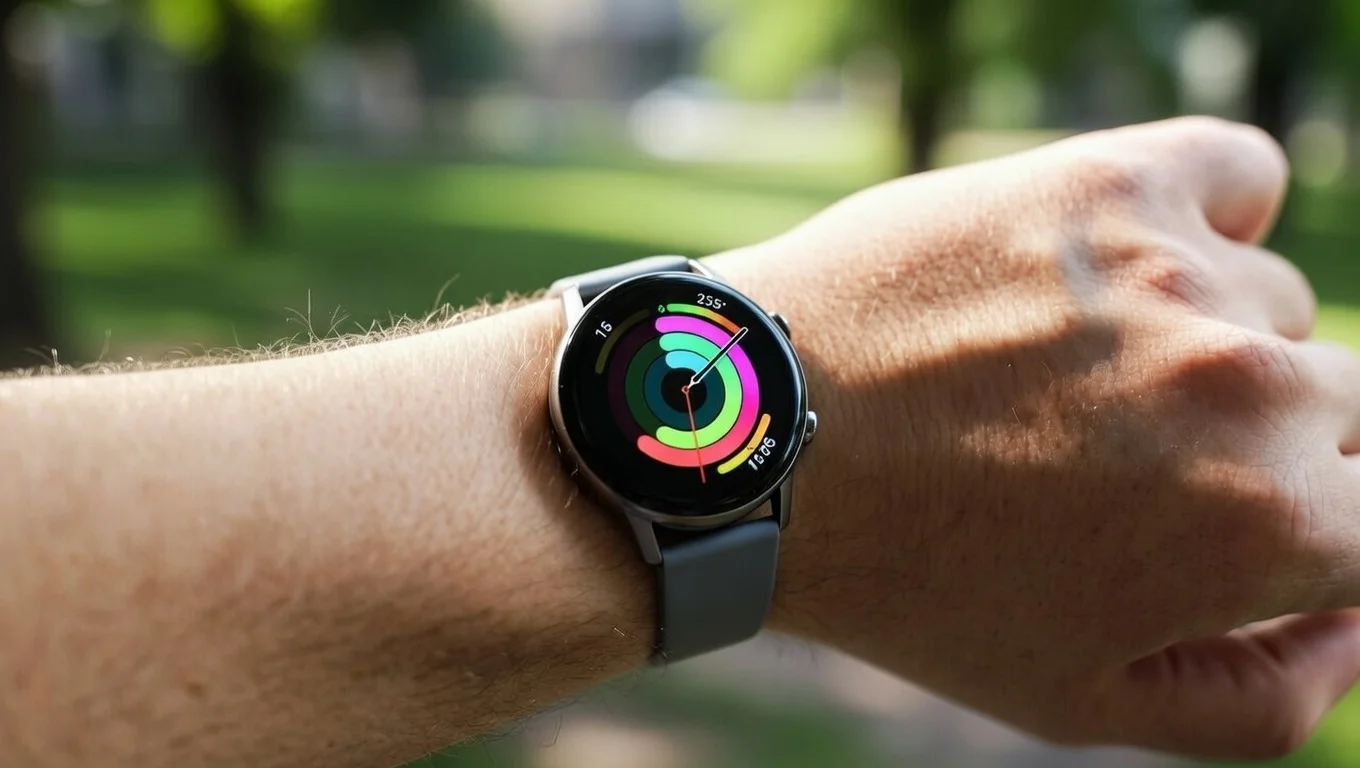
Oura Ring
Ultimately, it’s not about “better” or “worse” – they are different tools for different jobs. Your Xiaomi smartwatch is your full-featured active companion. The smart ring is a silent observer, a guardian of your well-being while you sleep and recover. If your life is already packed with screens and notifications, perhaps a tiny ring that simply whispers, “Rest today,” without interrupting, is precisely what you need.
What about you? Are you sticking with the “for that price, I could buy three Xiaomi Bands” camp, or is the idea of a smart ring starting to tempt you? Do you think Xiaomi should launch one already? Drop your thoughts in the comments below – we love dissecting these topics with the XiaomiForAll community!





2 thoughts on “Smart Rings vs Xiaomi Wearables: Understanding the Appeal in 2026”