Xiaomi Tag tracker: Xiaomi’s Answer to AirTag – All You Need to Know
Xiaomi Tag Tracker: Xiaomi’s Game-Changing Bid in the Bluetooth Tracker Arena
Alright, fellow Xiaomi fans and tech enthusiasts, buckle up! We’re about to dive deep into something truly exciting that’s been brewing in the Xiaomi labs: the Xiaomi Tag tracker. For ages, the world of Bluetooth trackers has felt a bit like a walled garden, with Apple’s AirTag, Samsung’s SmartTag, and Tile leading the pack. But guess what? Xiaomi is ready to shake things up, and with the growing might of Google’s Find My Device network, Android users are finally getting the robust tracking solutions they deserve. While we’re still sifting through leaks and rumors as of January 2026, the picture forming is incredibly promising.
What Exactly is the Xiaomi Tag?
So, what are we talking about here? The Xiaomi Tag is essentially Xiaomi’s entry into the smart locator game – think of it as a sleek, compact gadget designed to keep tabs on your most precious (or easily lost) items. Whether it’s your keys that play hide-and-seek every morning, that ever-elusive wallet, your beloved pet, or even your luggage on a grand adventure, this little tracker aims to bring them back into your orbit. It uses standard Bluetooth Low Energy (BLE) to communicate with your phone, but here’s where it gets really interesting: a premium version is rumored to pack Ultra-Wideband (UWB) technology. This isn’t just a fancy acronym; UWB offers pinpoint accuracy, letting you find your stuff down to the exact centimeter in close-range environments.
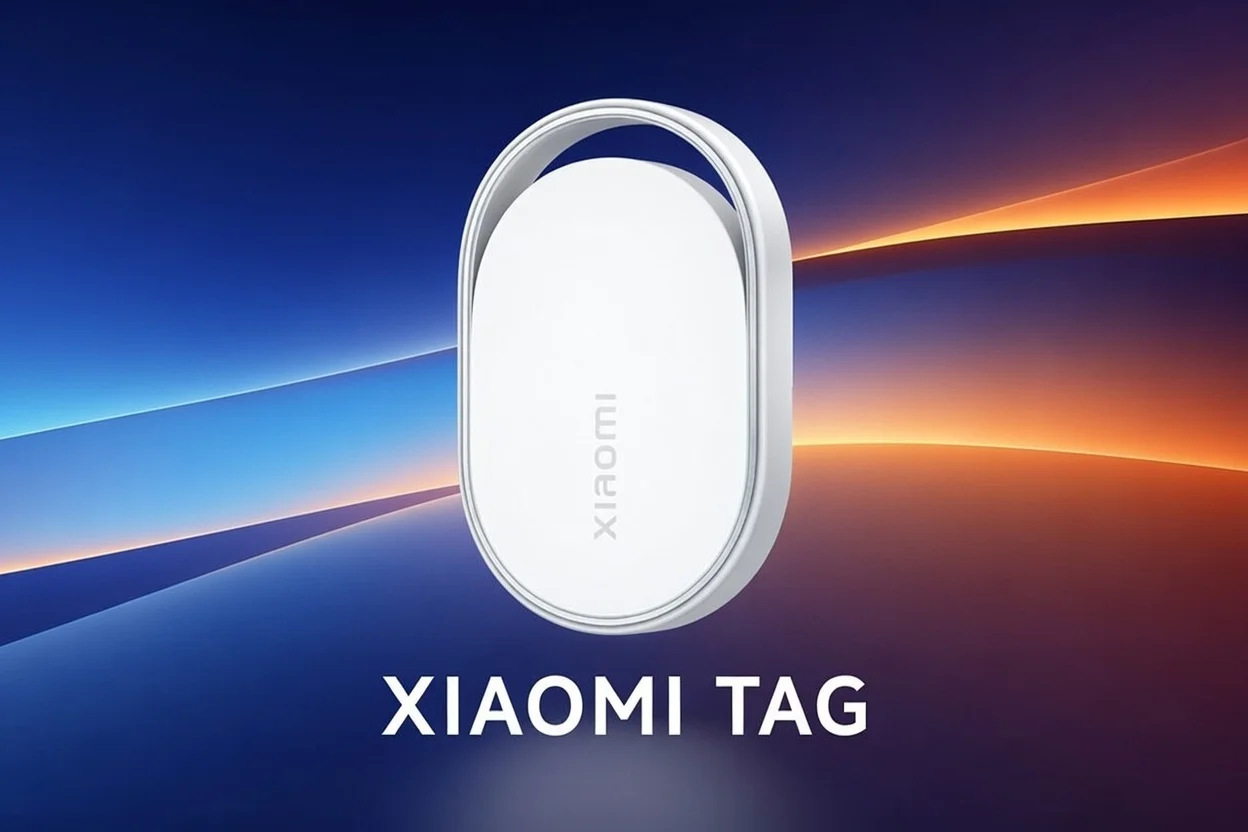
The real kicker, and what makes the Xiaomi Tag tracker a potential disruptor, isn’t just its tech. It’s the rumored aggressive price point (we’re talking seriously affordable!) and its seamless, native integration with both Xiaomi’s own HyperOS ecosystem and the broader Google Find My Device network. This means a huge potential user base right out of the gate.
All We Know So Far (January 2026)
Alright, let’s get down to the nitty-gritty. Based on a flurry of credible leaks and whispers from specialized tech media, here’s a breakdown of what we anticipate for the Xiaomi Tag:
| Characteristic | Rumored Details | Primary Source |
|---|---|---|
| Official Name | Xiaomi Tag | Android Headlines, Gizmochina |
| Versions | 1. With UWB (premium) 2. Bluetooth-only (more affordable) | Android Headlines, PhoneArena |
| Location Tech | Bluetooth LE + UWB (premium version) Google Find My Device Network | Gizmochina, Android Authority |
| Battery | Replaceable CR2032 (like AirTag) – est. 1-year lifespan | Android Headlines |
| Speaker | Yes – emits sound for close-range location | Leaked images & descriptions |
| Water Resistance | Likely IP67 or similar (unofficial) | Competitor inference, design |
| Anti-Tracking | Unwanted tracking alerts + “trust” option for nearby tags | PhoneArena |
| Estimated Price | < $25 USD (basic) – ~ $35-45 USD (UWB) | PhoneArena, TechNave, Gizchina |
| Rumored Launch Date | Dec 26, 2025 (China, with Xiaomi 17 Ultra) Global H1 2026 | Gizchina, India Today |
| Primary Compatibility | Android phones (HyperOS / Google Find My Device) | Consistent reports |
Deep Dive into Leaked Features
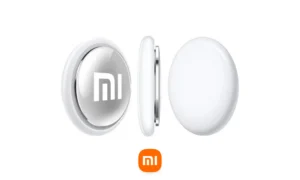
From what we’ve gathered, the Xiaomi Tag seems to be taking a leaf out of the market leader’s book in terms of design. Expect a classic, circular, and slim profile, likely with a convenient keyring hole – perfect for attaching to… well, anything!
The inclusion of UWB in the pricier version is a big deal. This means if you own a newer Xiaomi flagship phone with a UWB chip (think the Xiaomi 14 Ultra, upcoming 15 series, or even the beast that is the Xiaomi 17 Ultra Camera), you’ll get access to “Precision Finding.” Imagine following on-screen arrows and distance indicators to literally walk right up to your misplaced item. Super handy!
Pairing should be a breeze, especially for those running HyperOS. The idea is a seamless experience, integrating directly with Xiaomi’s own “Find Hub” app or Google’s native Find My Device. And speaking of safety, Xiaomi isn’t forgetting the anti-tracking aspect. Rumors suggest smart alerts for unwanted tracking, along with a clever “trust” option for tags belonging to people you’re often with, avoiding annoying false positives. This commitment to user safety and privacy is a big plus for Android users.
While an initial launch in China is likely for late 2025 (we might even have heard about it already if you’re reading this in January 2026!), a global rollout is expected throughout the first half of 2026.
Projected Competitive Edge
So, why should you care about the Xiaomi Tag when there are already established players? Here’s why we at xiaomiforall.com are particularly excited:
- Price Aggression:
Xiaomi is known for its incredible value, and the Tag seems to be no exception. With rumored prices significantly below Apple’s AirTag ($29-35) and Samsung’s SmartTag 2 ($29-40), the basic Xiaomi Tag could be a no-brainer for many. - Android Integration:
With billions of Android devices out there, direct integration with Google Find My Device means a vast, ever-growing network to help locate your stuff. This is a massive advantage compared to proprietary networks. This reflects Xiaomi’s broader strategy in technology to reach a massive audience. - Choice is King:
Offering two versions – one with UWB and one without – lets consumers pick what they need and how much they want to spend. Not everyone needs centimeter-level accuracy, and Xiaomi gets that. - Xiaomi’s Track Record:
Historically, Xiaomi offers outstanding quality-to-price ratio in its accessories. We expect the Tag to follow suit, offering a robust product without breaking the bank.
Gadget Review
The Unknowns and Potential Pitfalls
Of course, it’s not all sunshine and rainbows. There are a few questions marks hanging over the Xiaomi Tag:
- Google Find My Device Network:
While rapidly improving, Google’s Find My Device network is still playing catch-up to Apple’s gargantuan network in terms of sheer coverage and speed. It’s getting better every day, but it’s an ongoing process. - Official Confirmation:
Everything here is still based on leaks and rumors. Xiaomi hasn’t officially uttered a peep, so things could change. - Certification:
Will the Xiaomi Tag receive full Google certification for Find My Device, or will some markets rely more on a Xiaomi-specific app? The specifics are still hazy. - UWB Limitation:
The absence of UWB in the cheaper version means that precise indoor tracking won’t be available for everyone, limiting its accuracy compared to premium UWB-equipped rivals. This is a common trade-off, but worth noting for those eyeing top-tier features.
Why the Xiaomi Tag is Poised for Success
Despite the unknowns, the Xiaomi Tag tracker feels like a logical and incredibly smart move for Xiaomi. It taps into a massive existing user base, leverages the burgeoning Google Find My Device network, and applies Xiaomi’s signature aggressive pricing strategy. This isn’t just about selling a tracker; it’s about further integrating Xiaomi’s hardware into the daily lives of millions, enhancing the HyperOS ecosystem, and positioning Xiaomi as a leader in accessible, smart gadget review worthy technology. The market for smart accessories is booming, and the Xiaomi Tag is perfectly positioned to capture a significant slice of it, much like how Smart Rings vs Xiaomi Wearables are becoming hot topics. This is definitely one of the most exciting pieces of tech news to keep an eye on.
Conclusion and Our Recommendation (January 2026)
The Xiaomi Tag has all the makings of one of the most exciting Android trackers of 2026. Its rumored aggressive pricing, combined with the option for precision UWB tracking and deep integration with both HyperOS and Google Find My Device, sets it up for massive success.
If you’ve been dreaming of an AirTag alternative that won’t burn a hole in your pocket and you don’t necessarily need the ultimate UWB precision, the basic Xiaomi Tag could very well be the best value-for-money option out there once it launches globally. However, if you’re rocking a recent Xiaomi flagship phone with UWB and you live for pinpoint accuracy, the premium UWB version could be a seriously compelling challenger to the Moto Tag, Samsung SmartTag 2, and Chipolo.
Keep your eyes peeled for the official announcement – it might have even happened in China by the time you read this, or it could be just weeks away. Once Xiaomi releases official specs, pricing, and availability, we can finally move from “everything we know from leaks” to a full-blown, real-world review!
The images were generated from a leak shared by @kacskrz on x.com, then enhanced using artificial intelligence, resulting in a clearer, more detailed, and visually appealing representation of the leaked material.