Redmi 15C vs Poco C85: Budget Smartphone Showdown 2025
Redmi 15C vs. Poco C85: Which Budget Smartphone Reigns Supreme in 2025?
The budget smartphone arena is a battlefield, and Xiaomi, a heavyweight in the tech world, has just dropped two new contenders: the Redmi 15C and the Poco C85. Both launched in 2025, these devices promise a lot for their price tags, boasting solid performance and modern features. But if you’re looking to get the most bang for your buck, which one should you actually snag? We’re diving deep into what makes these two siblings tick, breaking down all their similarities and differences to help you make the right call.
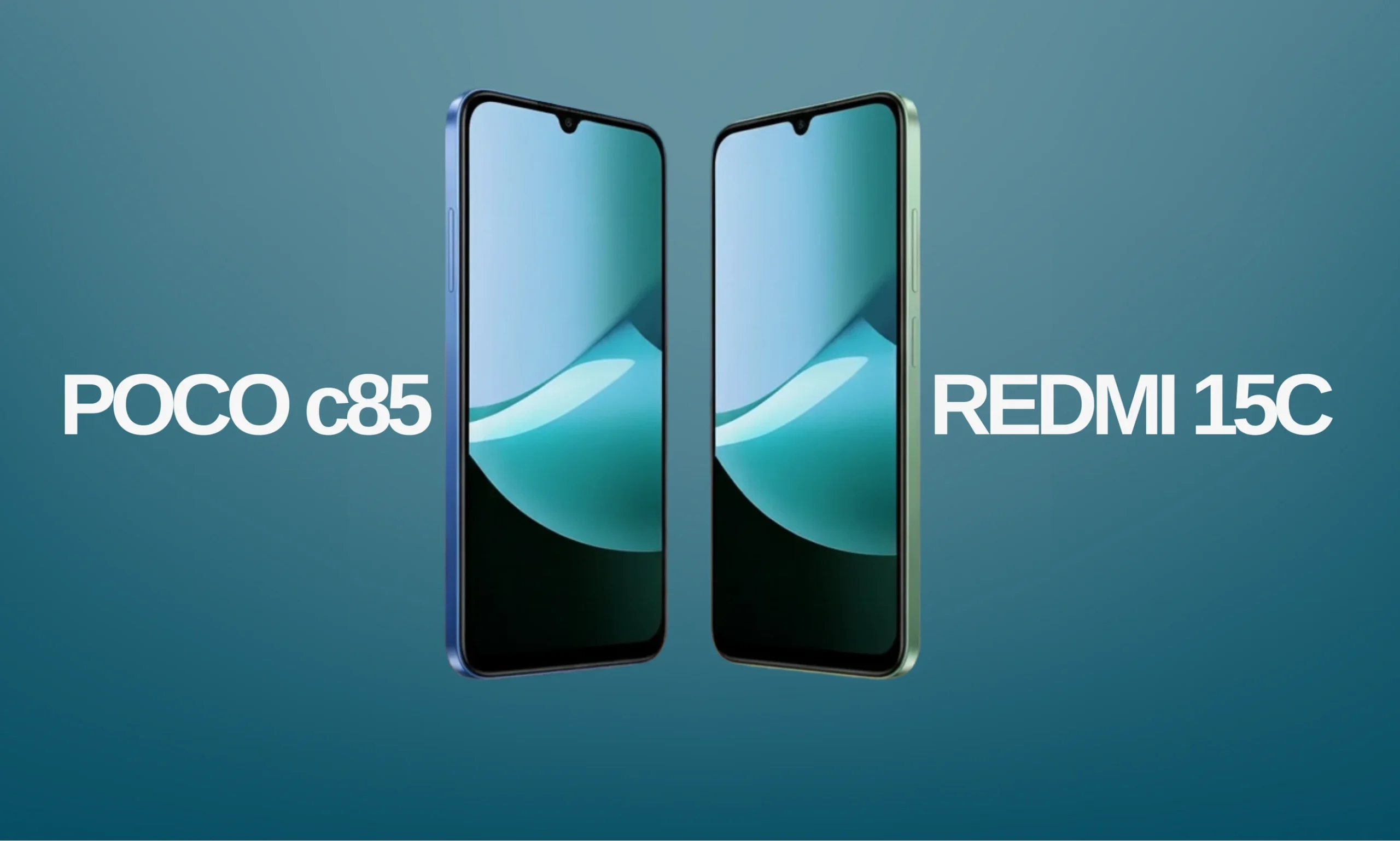
The Shared DNA: What Makes Them Kin
It’s no surprise that these two phones have a lot in common. Coming from the same parent company, Xiaomi, they share a core foundation that makes them feel like close relatives.
Processor and Core Performance
Both the Redmi 15C and the Poco C85 are powered by the reliable MediaTek Helio G85. This chipset is a workhorse in the budget segment, handling your everyday tasks – scrolling through social media, browsing the web, and streaming videos – with ease. For casual gamers, titles like Free Fire or Candy Crush will run smoothly on medium settings. With up to 6GB of RAM available on both, you can expect decent multitasking, though pushing them with super heavy apps might show their limits.
Design and Build Quality
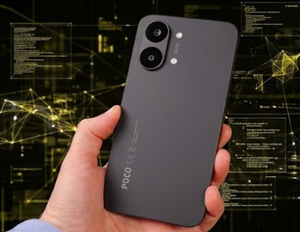
Aesthetically, both phones sport a contemporary look with textured plastic backs. They feel good in the hand, resist fingerprint smudges, and are generally lightweight and ergonomic. The large displays (more on that in a bit!) might be a stretch for smaller hands, but overall, they offer a comfortable grip. A neat touch they share is the circular rear camera module, which gives them a unique, watch-like design that stands out from the crowd.
Battery Life: All-Day Powerhouses
Battery life is a massive win for both these devices. Packing a hefty 5000 mAh battery, the Redmi 15C and Poco C85 can easily power through a full day, even if you’re glued to your screen watching videos or gaming. While their 18W fast charging isn’t the fastest out there, it’s perfectly adequate for this price range. In real-world tests, expect up to 36 hours of moderate usage, making them reliable companions for anyone on the go.
Main Camera: Capturing the Moment
When it comes to snapping photos, both phones come equipped with a 50MP main sensor enhanced by AI. This means you can expect decent shots in good lighting, with vibrant colors and enough detail for your social media feeds. Video recording tops out at 1080p at 30fps, which is fine for casual clips, but don’t expect groundbreaking video capabilities here.
Operating System: The HyperOS Experience
Both devices run on Android 15, overlaid with Xiaomi’s HyperOS. This combo offers a smooth user experience, lots of customization options, and regular updates – something Xiaomi fans truly appreciate. The interface is pretty intuitive, though be prepared for a bit of pre-installed bloatware, a common trade-off in this segment.
Where They Diverge: Key Differences
Despite their shared heritage, the Redmi 15C and Poco C85 have distinct features that might sway your decision.
Display: Size and Smoothness Matter
The Poco C85 takes the lead with its 6.74-inch IPS LCD display featuring a 90Hz refresh rate. This translates to a noticeably smoother experience when scrolling or gaming. The Redmi 15C has a slightly smaller 6.71-inch screen but sticks to a standard 60Hz refresh rate with HD+ resolution. While both screens are vibrant, the Poco C85 feels more modern and responsive, a definite plus for those who appreciate buttery-smooth animations.
Camera Setups: A Tale of Depth and Detail
While they share that 50MP main sensor, the Redmi 15C includes an additional depth sensor designed to improve portrait shots with a more natural-looking bokeh effect. The Poco C85 relies more on software optimization for edge detection and clarity in portraits. For selfies, the Redmi 15C often gets the nod, particularly in its 5G variant, with a 16MP front camera compared to the Poco C85’s 8MP shooter, making it a better bet for selfie enthusiasts.
Connectivity: 4G vs. 5G Realities
A major differentiator is connectivity. The Redmi 15C is available in both 4G and 5G variants. The 5G version often comes with a better processor (like the rumored MediaTek Helio G99 in some regions) and a sharper FHD+ (2400 x 1080) display. The Poco C85, however, is primarily a 5G device, but it sticks to a lower 720 x 1650 pixel resolution. If you want 5G on a tighter budget, the Poco C85 is the more accessible route, but the Redmi 15C 5G offers a superior visual experience.
Pricing and Value Proposition
Price is a huge factor in this segment. The Poco C85 5G often starts around ₹8,999 (approximately PKR 27,000-31,000 in Pakistan), making it incredibly budget-friendly, especially for 5G. The Redmi 15C 4G kicks off at ₹10,990, with the 5G version starting at ₹12,990. This positions the Poco C85 as the wallet-friendly champ for 5G. However, the Redmi 15C 5G justifies its slightly higher price with that sharper display and a better selfie camera.
Storage and RAM Options
The Redmi 15C 5G shines with options going up to 8GB of RAM, which is a nice boost for heavier gaming or multitasking. The Poco C85 maxes out at 6GB of RAM, which might be a limitation for some. Both offer 128GB of internal storage with microSD support, so there’s not much difference there.
So, Which One Should You Grab?
Your choice between the Redmi 15C and the Poco C85 really boils down to what you value most and your budget. If you’re chasing the most affordable 5G experience with a smoother screen, the Poco C85 is hard to beat, especially with its 90Hz display. But if you’re willing to spend a little more for a sharper display, a superior selfie camera, and potentially more RAM, the Redmi 15C 5G is the more well-rounded package.
Both phones are fantastic examples of Xiaomi’s knack for delivering solid specs without emptying your wallet. In a sea of options, the Redmi 15C and Poco C85 stand out for their excellent balance of performance, design, and price. If 5G isn’t a top priority, the Redmi 15C 4G remains a compelling option for those looking to maximize value.
The Final Word
The Redmi 15C and the Poco C85 are essentially two sides of the same coin: affordable devices that don’t skimp on the essentials. While the Poco C85 entices with its fluid display and lower price point, the Redmi 15C, especially the 5G variant, offers a more complete package for users seeking a bit more graphical punch and visual finesse. Ultimately, the decision hinges on whether you prefer to save a bit or invest in those small upgrades that can make a big difference down the line. Which one is calling your name? Let us know in the comments below!
Sources: Information based on specifications published on sites like Smartprix, Gizinfo, and Bloom Pakistan.



1 thought on “Redmi 15C vs Poco C85: Budget Smartphone Showdown 2025”