Xiaomi 17 Pro vs iPhone 17 Pro Design: Lu Weibing Responds
Xiaomi 17 Pro vs. iPhone 17 Pro: Lu Weibing Clears the Air on Design Similarities
It’s that time of year again! As the tech world gears up for the latest and greatest, the whispers and comparisons begin. This year, the buzz around the upcoming Xiaomi 17 Pro has a familiar tune: “It looks like an iPhone!” But Xiaomi isn’t one to shy away from a good discussion, and their own President, Lu Weibing, has stepped into the arena to address these design critiques head-on. Join us at xiaomiforall.com as we dive into what Lu Weibing had to say, and why the Xiaomi 17 Pro might be more original than you think.
The Design Dilemma: Is Imitation the Sincerest Form of Flattery?
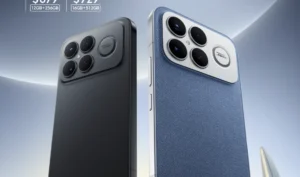
Let’s be honest, in the smartphone world, design can sometimes feel a bit… samey. Manufacturers are constantly pushing boundaries, but the core rectangular slab with a screen has been the norm for years. This often leads to heated debates online, with users quick to point out any perceived similarities between new releases. The latest point of contention? The Xiaomi 17 Pro’s design and its alleged resemblance to the Apple iPhone 17 Pro.
Addressing the Elephant in the Room: Lu Weibing’s Take
Xiaomi Group Partner, President, and Head of the Mobile Department, Lu Weibing, recently hosted a live stream to tackle the most pressing questions from fans about the Xiaomi 17 series. And, as expected, the design similarities with Apple’s upcoming flagship were a hot topic. Rather than getting defensive, Lu Weibing took a rather direct and, dare I say, sensible approach. He didn’t just dismiss the claims; he came armed with evidence.
He pointed out that the large, rectangular camera module, a feature that’s drawing comparisons, isn’t exactly a new concept. In fact, he reminded everyone that Xiaomi themselves pioneered this aesthetic with the Xiaomi 11 Ultra back in 2021. That’s right, a device from three years ago that already featured a prominent, multi-lens camera housing.
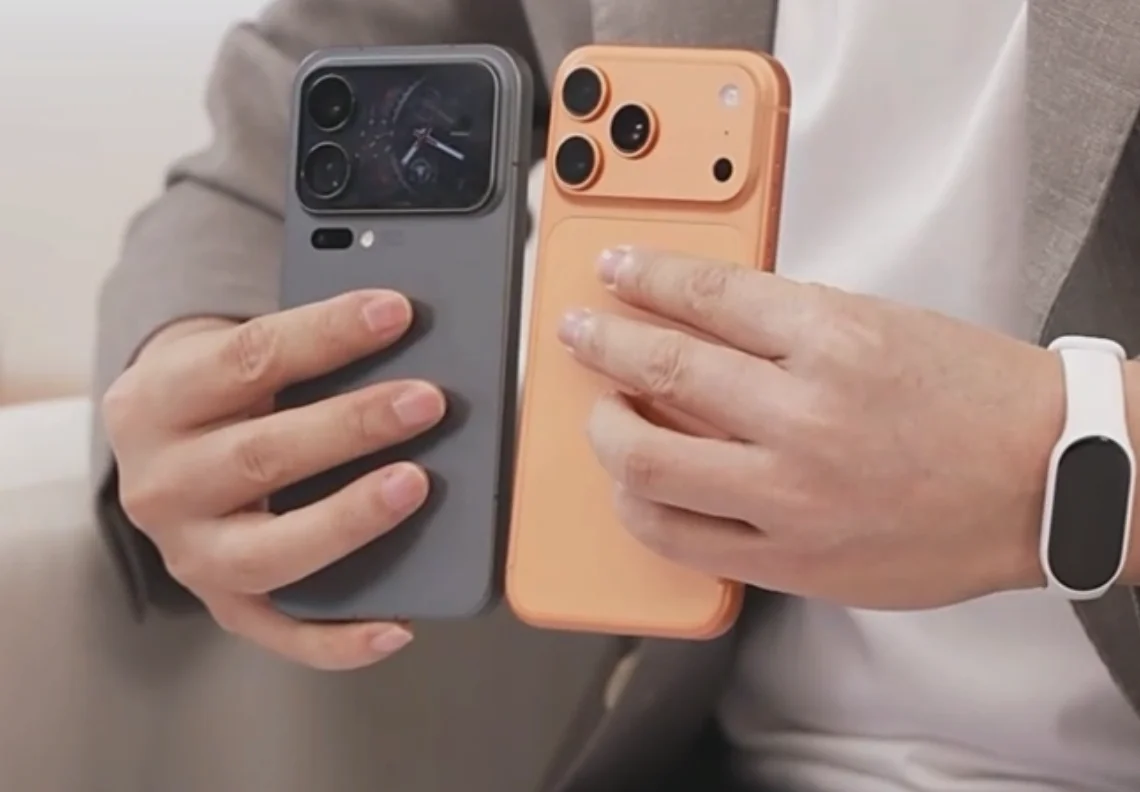
He then presented a direct visual comparison: the Xiaomi 11 Ultra alongside the iPhone 17 Pro, and the Xiaomi 17 Pro next to the iPhone 17 Pro. The implication was clear: Xiaomi has a history with this design language, and the current iteration is an evolution, not a copy. While no two phones will ever be exactly identical, especially when facing similar functional requirements for camera systems, the intention behind the design is what matters.
The Necessity of Innovation: Where Design Finds Its Voice
Lu Weibing went on to elaborate on a point many of us in the tech community have been making for a while: smartphone design has become incredibly homogenized, especially from the front. It’s often the back of the device where manufacturers can truly inject personality and innovation.
He believes that while the front of phones might look indistinguishable at a glance, the back is where the magic can happen. And the Xiaomi 17 Pro, according to him, has something up its sleeve to make it stand out: a rear display.
This secondary screen isn’t just a gimmick; it’s a strategic move to break away from the monotony of the smartphone market. Lu Weibing likened this effort to how Apple tries to innovate with features like the “iPhone Air” (though that’s a hypothetical name he used to illustrate his point), aiming to introduce something fresh and exciting into an increasingly predictable landscape. This secondary display isn’t just about aesthetics; it opens up a whole new world of functionality and interaction possibilities.
Beyond the Hype: What This Means for You
So, what does all this mean for us, the consumers? Firstly, it’s a healthy reminder that the tech industry is a constant conversation. Companies influence each other, and evolution is inevitable. Secondly, it highlights Xiaomi’s commitment to not just keeping up, but also innovating in ways that matter.
The focus on a rear display with the Xiaomi 17 Pro suggests a desire to offer users more than just a slab of glass. Imagine being able to check notifications, control music, or even take selfies with the main camera using the rear screen – all without needing to constantly wake up the primary display. This could lead to improved battery life and a more streamlined user experience.
The Design Playbook: A Historical Perspective
To further illustrate his point, Lu Weibing’s comparison to the Xiaomi 11 Ultra is crucial. Let’s take a moment to appreciate the design evolution:
- Xiaomi 11 Ultra (2021): Introduced a bold, large, rectangular camera module that housed a sophisticated camera system. This was a statement piece, pushing the boundaries of what a flagship phone’s rear could look like.
- iPhone 17 Pro (Hypothetical): While we don’t have official details, the leaks and rumors suggest Apple might be going for a more integrated, possibly larger, camera bump.
- Xiaomi 17 Pro (Upcoming): Building on its own legacy, Xiaomi is expected to refine its camera module design, potentially incorporating the secondary display.
The argument isn’t about who invented a rectangular shape, but about the execution and intent behind the design. Xiaomi’s approach with the 11 Ultra was about showcasing advanced camera hardware, and the 17 Pro seems to be an extension of that, combined with a new interactive element.
Potential Features and Functionality of the Rear Display
While official details are still under wraps, we can speculate on what this rear display might offer:
- Quick Glance Notifications: See incoming calls, messages, and app alerts without picking up or waking the main screen.
- Music Control: Easily skip tracks, adjust volume, or pause playback.
- Selfie Assistant: A small preview on the rear screen could help you frame perfect selfies using the much superior rear cameras.
- Always-On Display Functionality: A more aesthetically pleasing way to show time, date, and battery status.
- Customization Options: Potentially display personalized images, GIFs, or even widgets.
This innovation in design isn’t just about looking good; it’s about enhancing usability and offering a unique selling proposition in a crowded market.
A Bold Step Forward, Not a Backward Glance
Lu Weibing’s response to the design comparisons is a testament to Xiaomi’s confidence in their own design philosophy and innovation. By referencing their own past products and highlighting the functional benefits of new features like the rear display, they are positioning the Xiaomi 17 Pro as a device that’s both forward-thinking and grounded in its own evolutionary path.
It’s easy to get caught up in the comparison game, but Xiaomi’s strategy with the 17 Pro seems to be about carving its own niche. They’re not just aiming for a visually appealing device; they’re aiming for a device that offers a unique and practical user experience. The smartphone landscape is constantly evolving, and it’s exciting to see companies like Xiaomi pushing the envelope, even if it means addressing a few eyebrows raised along the way. The Xiaomi 17 Pro promises to be more than just another smartphone; it aims to be a statement of intent.

Source: IT Home




2 thoughts on “Xiaomi 17 Pro vs iPhone 17 Pro Design: Lu Weibing Responds”