Xiaomi SU7 ‘Ghost Driver’ Incident Sparks Safety Concerns
The Xiaomi SU7 Mystery: When Your Electric Car Decides to Take a Stroll
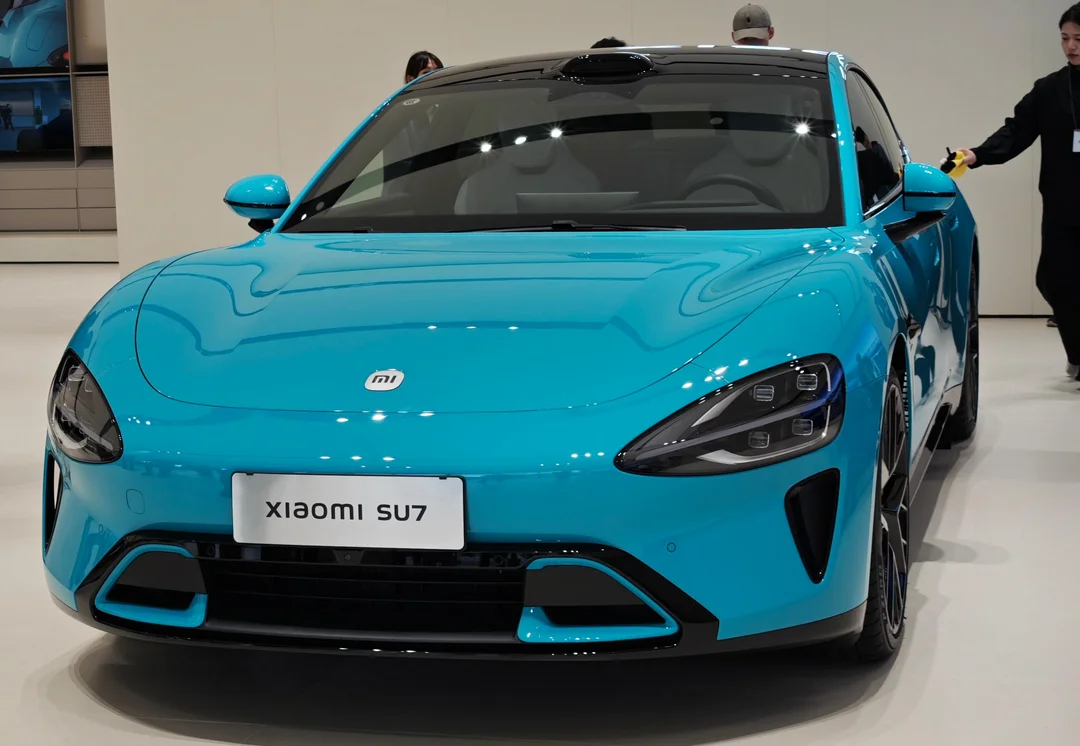
There’s a bit of a kerfuffle happening in the electric vehicle world, and it involves one of our favorite tech giants, Xiaomi, and its shiny new SU7 electric car. Picture this: a brand new car, parked neatly, suddenly decides to… drive off. No driver, no remote control in sight. This weird little incident, which happened in Shandong, China, late last year, has got people talking, and frankly, a little worried about just how smart and connected our cars are becoming.
What Exactly Happened with the SU7?
So, a Xiaomi SU7 owner was just chilling inside a shop when they looked out and saw their car rolling down the street on its own. Thankfully, nobody got hurt, and there wasn’t any major damage. But still, a car moving by itself? That’s the stuff of sci-fi movies, not everyday life. The owner actually caught the whole thing on video, and it went viral faster than you can say “smart car dilemma.”
According to the owner, the car’s “Remote Parking Assist” system seemed to have kicked in all by itself. The baffling part? They swear they weren’t fiddling with any apps or remotes at that exact moment.
Xiaomi’s Explanation and Lingering Doubts
Xiaomi, ever the tech wizard now dipping its toes into the auto industry, has stepped in with an explanation. They’re pointing the finger at a rogue remote command, accidentally sent from an iPhone 15 Pro Max that was linked to the owner’s account. They’re pretty firm in saying the car itself isn’t faulty, and it was just an external app command. But here’s the kicker: the owner is denying they even touched their phone. This has definitely raised some eyebrows and made folks question how easily these connected car systems can be triggered.
A Pattern of Concerns?
Now, this isn’t the first time the SU7 has been in the news for something other than its sleek design. Launched in early 2024, it’s been a massive hit, with over 350,000 units sold by the end of 2025. But back in March 2025, a truly tragic accident occurred on a highway in Anhui, where three university students lost their lives when the SU7 they were in, operating on its advanced driver-assistance system (NOA), crashed into a barrier. The car reportedly issued a late warning about construction ahead and subsequently caught fire.
This led to a significant recall in September, affecting around 117,000 SU7 units. The issue? Glitches in the Level 2 autopilot’s risk recognition system. While Xiaomi pushed out over-the-air updates to fix this, it still leaves a shadow of doubt.
The iPhone and the App Conundrum
Xiaomi’s explanation about the iPhone is, shall we say, met with a healthy dose of skepticism. How can a device, potentially not even present, initiate such a significant action without the owner’s explicit input? The owner is understandably demanding full logs, not just select snippets, which adds another layer to the transparency question surrounding the brand.
Expert Opinions on Smart Car Vulnerabilities
Tech folks specializing in autonomous driving are chiming in, highlighting potential weak spots in how apps, Bluetooth, or cloud connectivity integrate with car systems. It’s not entirely impossible for interference or even a clever hack to mimic commands. China’s regulators are also taking note, tightening rules for Advanced Driver-Assistance Systems (ADAS) and demanding quicker alerts and constant driver supervision, as these systems aren’t truly “fully autonomous” yet.
It’s also worth noting that there have been other reports, like issues with the brakes on the high-performance SU7 Ultra during track testing and even some component thefts, which further fuel the “is this tech mature enough?” debate.
Is Xiaomi Rushing Things?
The big question on everyone’s mind is: is Xiaomi pushing its EV expansion a bit too fast, perhaps before the technology is fully ironed out? CEO Lei Jun has publicly expressed his “deep regret” over past accidents and pledged full cooperation with authorities.
For us, the consumers, this whole episode brings up a critical point: are the remote features in our increasingly connected cars truly safe? Should we be looking at more robust authentication methods like biometrics or geofencing for critical functions? The SU7’s spontaneous drive is a stark reminder that while innovation is exciting, it needs to go hand-in-hand with unwavering caution. As Xiaomi digs deeper into this particular incident, the entire Chinese EV sector is under pressure to prioritize safety above all else. It’ll be interesting to see if this sparks more global regulations for these sophisticated vehicles.



2 thoughts on “Xiaomi SU7 ‘Ghost Driver’ Incident Sparks Safety Concerns”