Cheapest 5G Phone Nigeria: Redmi 15C 5G Shatters Prices
Cheapest 5G phone Nigeria. # Redmi 15C 5G: The Cheapest 5G Phone in Nigeria That’s Changing the Game
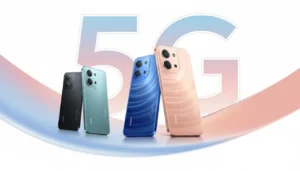
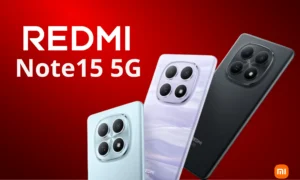
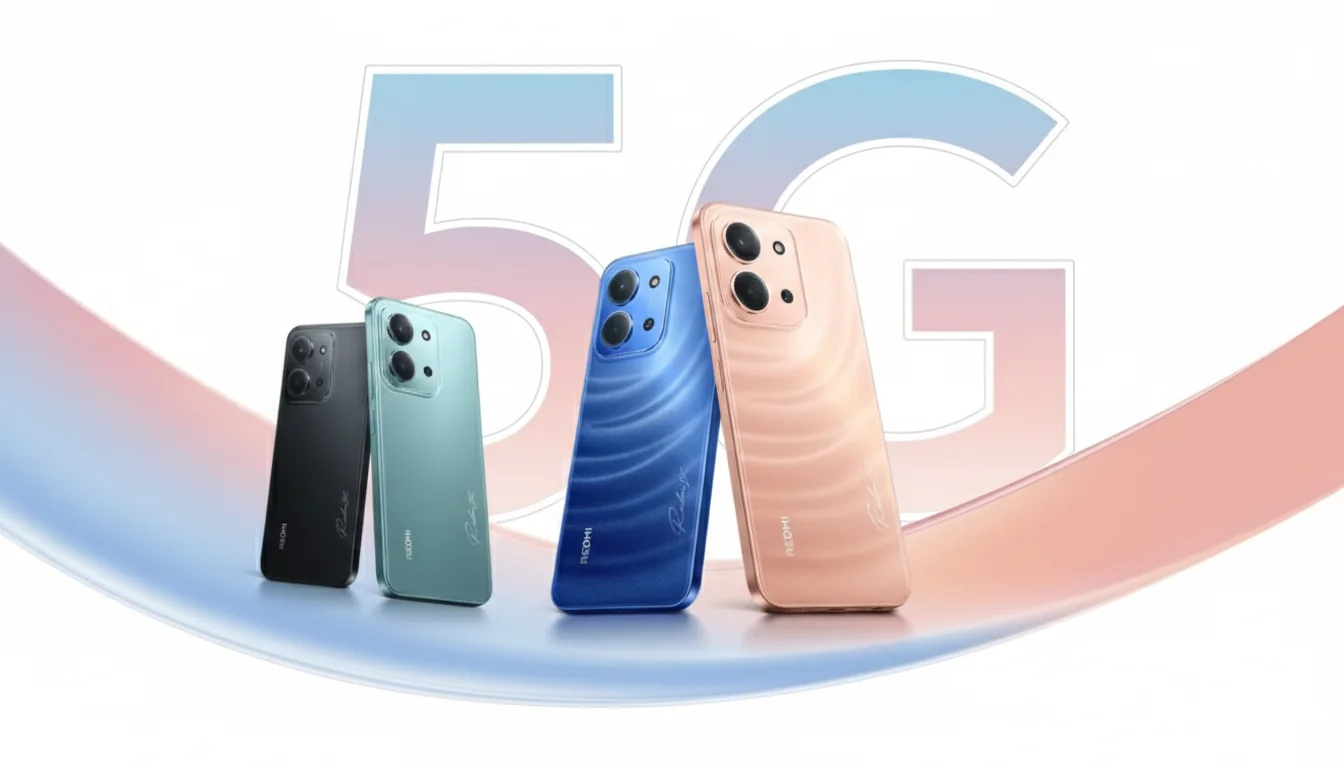
Hold onto your chargers, folks! Xiaomi Nigeria just dropped a bombshell on January 6th, 2026, with their announcement of the Redmi 15C 5G. They’re practically shouting from the rooftops that 5G doesn’t have to break the bank. For an incredible N174,000 (roughly $122 USD or €104 EUR), you can snag a device that brings next-gen connectivity without skimping on quality. This isn’t just a phone; it’s a statement that high-speed internet is finally within everyone’s reach.
Breaking the 5G Price Barrier
Xiaomi Nigeria’s tweet, “They said 5G is expensive… REDMI 15C 5G said hold my charger,” isn’t just catchy; it’s a direct challenge to the industry. The Redmi 15C 5G, priced at N174,000 (approximately $122 USD / €104 EUR at current exchange rates of 1 USD ≈ N1,430 and 1 EUR ≈ N1,670), is making waves as the most affordable 5G smartphone currently available in the Nigerian market. That “hold my charger” phrase is pure swagger, essentially telling competitors to watch and learn. It seems you can get future-proof connectivity without selling a kidney, and for under $125!
@valorreviews Gives the Nod
The announcement also features a video from @valorreviews, a well-respected Nigerian tech content creator known for his no-nonsense reviews. In the short, promotional clip, he breaks down why the Redmi 15C 5G is the smart choice for 2026. The message is clear: this isn’t a stripped-down 5G phone; it’s a balanced device designed for the average Nigerian looking to future-proof their tech life without a fuss. This endorsement significantly boosts its credibility, making it a truly compelling option.
Why N174,000 for 5G is a Game-Changer in 2026
Let’s talk about what that N174,000 price tag really means in Nigeria circa 2026. We’ve seen inflation and Naira devaluation push many flagship phones well beyond N500,000–N800,000 (around $350–$560 USD / €300–€480 EUR). In this climate, a 5G phone for under N200,000 (roughly $140 USD / €120 EUR) feels almost unbelievable. Just two years ago, getting a decent 5G device for under N300,000 (about $210 USD / €180 EUR) was a big deal. Xiaomi is now pushing that boundary even further.
This move isn’t just about democratizing technology; it’s forcing other brands – think Samsung A-series, Tecno, Infinix, and even some Motorola models – to rethink their pricing strategies entirely. It creates a ripple effect that ultimately benefits the consumer.
Classic Redmi Value, Now with 5G
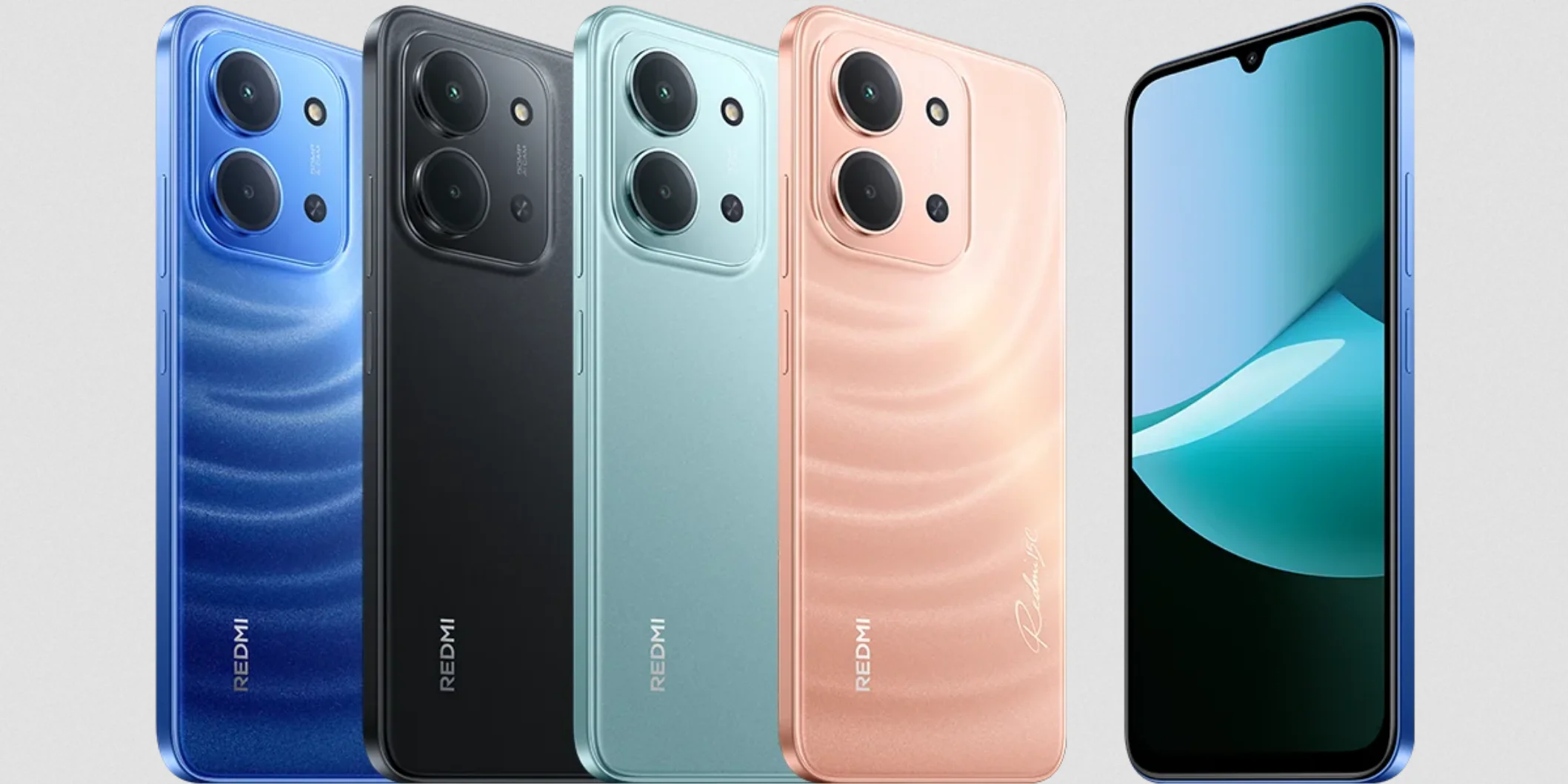
The Redmi 15C 5G carries on the legacy of the Redmi line: delivering surprisingly strong specifications for the price. While exact details can vary by region, you can typically expect the C-series to pack:
- Large Displays: Around 6.7-6.8 inches, perfect for media consumption and browsing.
- Massive Batteries: 5000 mAh or more, ensuring you stay powered throughout the day.
- Capable Cameras: A 50 MP main camera to capture your memories in detail.
- Efficient Processors: MediaTek or Qualcomm chipsets that handle 5G without breaking a sweat.
If @valorreviews backs it, you know it performs well in real-world scenarios, handling multitasking, social media, streaming, and lighter games like Free Fire or Mobile Legends without frustrating lag. This ensures a smooth user experience, which is often where budget phones falter.
Nigeria
The Perfect “Bait”: “Who Says You Can’t Have It All?”
Xiaomi is a master of creating that sweet, sweet FOMO (fear of missing out). That closing rhetorical question in their tweet – “Budget-friendly. Future-ready. Who says you can’t have it all?” – is pure marketing genius. It directly targets consumers who still believe 5G is a luxury reserved for the elite. With 5G adoption rapidly expanding in Nigerian cities like Lagos, Abuja, and Port Harcourt thanks to networks like MTN and Airtel, owning a phone that can leverage these speeds for just N174,000 (≈ $122 USD / €104 EUR) transitions from a desire to a genuine need.
Some might argue that a phone at this price point must compromise on build quality, software cleanliness, or update longevity. While that’s a fair point for some lower-end devices, Xiaomi has significantly improved its offerings. With HyperOS (the evolution of MIUI), promises of 2-3 years of Android updates, and more consistent security patches, they’re addressing these concerns. Plus, the passionate Nigerian Redmi community is a testament to the brand’s value proposition. You can find plenty of discussions about the impressive quality-for-price ratio over on forums dedicated to Xiaomi news.
Is it Truly the “Smarter and Most Affordable 5G Pick”?
Based on @valorreviews’ endorsement and Xiaomi’s strategic positioning, the answer in the Nigerian market as of January 2026 is a resounding yes. It’s not trying to compete with a high-end Xiaomi 15 or a Galaxy S25. Instead, its real battle is against 4G phones priced between N150,000–N220,000 (≈ $105–$154 USD / €90–€132 EUR). Why stick with 4G when you can get 5G, a better processor, and future-proofing for just a little more? This is a smart move for anyone looking at budget smartphones.
Xiaomi Nigeria’s marketing approach is brilliant. They’ve combined relatable Nigerian slang (“hold my charger”) with a credible local influencer and an aggressive price point right at the start of the year. This guarantees immediate buzz, healthy envy, and likely a surge in searches for “Redmi 15C 5G price Nigeria.” This kind of innovation in marketing is what keeps Xiaomi ahead in the cheapest 5G phone Nigeria conversation. If you’re tired of endless buffering and your budget is under N200,000 (≈ $140 USD / €120 EUR), this Redmi could be your ticket to the 5G world without feeling ripped off. Xiaomi hasn’t just launched a device; they’ve made a declaration: 5G is no longer expensive; it’s the future, and it’s here for everyone. This aligns with the overall trend of technology becoming more accessible.