POCO M8 5G vs Redmi 15 5G: The 2026 Low-Cost 5G Showdown
POCO M8 5G vs Redmi 15 5G. # POCO M8 5G vs. Redmi 15 5G: The “Sexy” Flagship Killer vs. The “Immortal” Battery Champ – Your 2026 Low-Cost 5G Showdown!
Xiaomi’s sub-brands, POCO and Redmi, continue to dominate the budget 5G smartphone scene. In early 2026, the POCO M8 5G arrives with a gorgeous, ultra-premium curved design and an AMOLED display that screams flagship, while the Redmi 15 5G, a late 2025 release, boasts a monstrous 7000mAh battery that makes it practically immortal. Which one truly wins in 2026? Let’s dive deep.

The Core Question: Sex Appeal or Endurance?
The POCO M8 5G is all about that “sexy” factor. Think sleek curves, a vibrant AMOLED screen that pops, and a premium feel that punches way above its price tag. It’s designed to turn heads. On the flip side, the Redmi 15 5G is built for the long haul. Its “immortal” tag comes from a battery so huge, you might forget where you put your charger. But in the fast-paced world of 2026, which trait is more valuable? This article breaks down every key aspect – design, display, performance, cameras, battery life, and software – so you can make an informed decision without a hint of buyer’s remorse.
Quick Specs Table: POCO M8 5G vs. Redmi 15 5G
| Feature | POCO M8 5G | Redmi 15 5G |
|---|---|---|
| Release Date | January 2026 | August 2025 |
| Display | 6.77″ Flow AMOLED, 120Hz, 2392×1080, 3200 nits peak, curved | 6.9″ FHD+ IPS LCD, up to 120Hz (adaptive), large flat panel |
| Processor | Qualcomm Snapdragon 6 Gen 3 (4nm class) | Qualcomm Snapdragon 6s Gen 3 (6nm) |
| RAM/Storage | Up to 8GB RAM + 512GB (expandable) | Up to 8GB RAM + 256GB (expandable via microSD) |
| Battery | 5520mAh silicon-carbon, 45W fast charging | 7000mAh (typical) silicon-carbon, 33W + 18W reverse |
| Charging Speed | 45W wired | 33W wired |
| Rear Camera | 50MP main + 2MP auxiliary | 50MP main + auxiliary lens |
| Front Camera | 20MP | 8MP |
| Build & Durability | 7.35mm slim, 178g, IP66, high-strength glass (1.7m drop rated), in-display fingerprint reader | 8.4mm, 217g, IP64 splash/dust resistant, side-mounted reader |
| Audio | Stereo speakers, Dolby Atmos, 300% volume boost | Standard dual speakers |
| Software | HyperOS 2 on Android 15, up to 4 major updates | HyperOS 2 on Android 15 |
| Other | Wi-Fi 6, Bluetooth 5.4, IR blaster | Wi-Fi ac, Bluetooth 5.1, IR blaster |
| Approx. Launch Price (Global 2026) | Starting ~$210–$230 USD / ~€230–€270 EUR (256GB base, early bird lower) | Starting ~$158–$200 USD / ~€180–€220 EUR (region/variant dependent) |
Approximate prices based on global launches and early bird offers in January 2026; they can vary by region and promotions. The POCO typically commands a slightly higher price due to its premium design, while the Redmi aims for extreme value.

Android 15
Design and Build: Beauty or Beast Mode?
Right out of the box, the POCO M8 5G is a head-turner. Measuring just 7.35mm thin and weighing a mere 178g, its 3D curved design feels incredibly premium and sits comfortably in your hand. The front glass is rated for impressive durability, surviving drops of up to 1.7 meters onto marble (yes, they tested it!), and the IP66 rating means it can handle dust and powerful water jets – a step up from many in this segment.
POCO M8 Design Pros:
* Ultra-slim and lightweight profile.
* Comfortable curved edges for a great grip.
* In-display fingerprint reader for a premium feel and quick access.
* Color options and finishes that scream quality.
POCO M8 Design Cons:
* Slightly smaller display footprint compared to the Redmi.
The Redmi 15 5G opts for practicality with a quad-curved back and subtle aluminum accents around the camera module. However, at 8.4mm thick and 217g, it’s noticeably heftier – a fair trade-off for that massive battery. Its IP64 rating offers good protection against splashes and dust, but it doesn’t quite match the POCO’s robustness.
Redmi 15 5G Design Pros:
* Larger screen size, ideal for media consumption.
* Solid build quality with premium touches on the camera housing.
Redmi 15 5G Design Cons:
* Thicker and heavier overall.
* Side-mounted fingerprint reader, which is functional but less premium.
Winner: POCO M8 – It simply looks and feels more sophisticated and premium in hand. For those who appreciate aesthetics, the POCO M8 is the clear winner.

POCO M8 5G vs Redmi 15 5G
Display: Luxe AMOLED vs. Huge IPS Panel
This is where the POCO M8 truly shines. Its 6.77-inch Flow AMOLED display is a feast for the eyes. Expect vibrant colors (12-bit, DCI-P3 coverage), true blacks, stunning HDR contrast, and a blinding peak brightness of 3200 nits. Coupled with a buttery-smooth 120Hz refresh rate and 3840Hz PWM dimming for eye comfort, plus TÜV Rheinland certifications, it’s perfect for everything from binge-watching videos to gaming and even using the phone outdoors.
The Redmi 15 5G counters with a larger 6.9-inch IPS LCD panel. It also offers an adaptive 120Hz refresh rate and decent outdoor visibility. However, it can’t match the AMOLED’s contrast, deep blacks, or color punch. While IPS panels are generally less prone to burn-in, they offer a less immersive viewing experience compared to the POCO’s vibrant screen.
Winner: POCO M8 – The superior quality of the premium AMOLED panel makes a tangible difference in daily use, especially for media and general viewing.
Performance and Gaming: Snapdragon Showdown
Both phones are equipped with capable Qualcomm Snapdragon 6-series processors, but the POCO M8 edges ahead thanks to its newer silicon.
- The POCO M8 5G features the Snapdragon 6 Gen 3. This chip, built on a more efficient 4nm process, offers smoother multitasking and more sustained gaming performance compared to its predecessor.
- The Redmi 15 5G uses the Snapdragon 6s Gen 3, built on a 6nm process. It handles everyday tasks with ease, but it might start to feel the heat and throttle a bit sooner during very demanding gaming sessions or heavy multitasking.
Both devices run on HyperOS 2 atop Android 15, promising a clean interface. Crucially, POCO commits to up to 4 major OS updates, giving the M8 a longer lifespan and better future-proofing.
Winner: POCO M8 – Better sustained performance, a more efficient processor, and a longer software update commitment give the POCO M8 the edge. If you’re a gamer or heavy user, this is a significant win.

Tech Review
Camera Capabilities: Who Captures the Best Shots?
Both phones sport a 50MP main sensor with AI enhancements, but there are noticeable differences.
The POCO M8 tends to capture more detailed and natural-looking photos in good daylight, thanks to superior image processing. Its 20MP front-facing camera also delivers noticeably better selfies.
The Redmi 15 5G is perfectly adequate for social media snaps and casual photography, especially with its “Dynamic shots” feature on higher variants. However, its 8MP front camera is a step down, and the overall image quality, while good, doesn’t quite reach the POCO’s level.
Neither phone is going to compete with flagship camera systems, but for everyday use and sharing on social media, both are more than capable.
Winner: Slight Edge to POCO M8 – Primarily due to its better selfie camera and slightly more refined image processing.

POCO M8 5G vs Redmi 15 5G
Battery and Charging: The Ultimate Duel
This is where the debate truly heats up, and it highlights the core difference between these two devices.
The Redmi 15 5G, with its colossal 7000mAh silicon-carbon battery, is an absolute endurance champion. Xiaomi claims up to 108 hours of music playback or over 30 hours of reading. In real-world usage, this translates to easily two full days of intensive use without needing a charger. Plus, it offers 33W charging and a handy 18W reverse charging feature, allowing you to power up other devices on the go.
The POCO M8 5G, while still excellent with its 5520mAh battery (easily getting you through 1.5 to 2 days), charges significantly faster at 45W. This means it can reach 100% charge quicker, which is a huge convenience.
Winner: Redmi 15 5G – If your absolute top priority is battery life and you dread the thought of being tethered to a power outlet, the Redmi 15 5G is simply unbeatable. Its sheer longevity is astonishing.
Bonus Features That Make a Difference
- Audio: The POCO M8 5G takes the crown with its stereo speakers, Dolby Atmos support, and an impressive 300% volume boost. It’s a far more immersive audio experience.
- Connectivity: The POCO M8 boasts newer Wi-Fi 6 and Bluetooth 5.4, offering potentially faster and more stable wireless connections.
- Other Perks: Both phones include the practical IR blaster for remote control functions. The Redmi 15 5G’s reverse charging is a unique practical addition.
Summary: Pros and Cons at a Glance
POCO M8 5G Pros:
- Spectacular AMOLED display with high brightness and eye-care certifications.
- Premium, slim design with superior durability (IP66, drop resistance).
- Faster charging and slightly superior sustained performance.
- Better front camera for selfies and premium audio experience.
- More promised software updates for longer support.
POCO M8 5G Cons:
- Smaller battery capacity compared to the Redmi 15 5G.
- Slightly higher price point (~$210–$230 USD / ~€230–€270 EUR).
Redmi 15 5G Pros:
- Epic 7000mAh battery that lasts for days.
- Larger display, great for movies and reading.
- Useful reverse charging capability.
- Generally more affordable (~$158–$200 USD / ~€180–€220 EUR).
Redmi 15 5G Cons:
- IPS display doesn’t match the AMOLED’s vibrancy.
- Noticeably thicker and heavier build.
- Slower charging speed.
- Weaker front-facing camera.
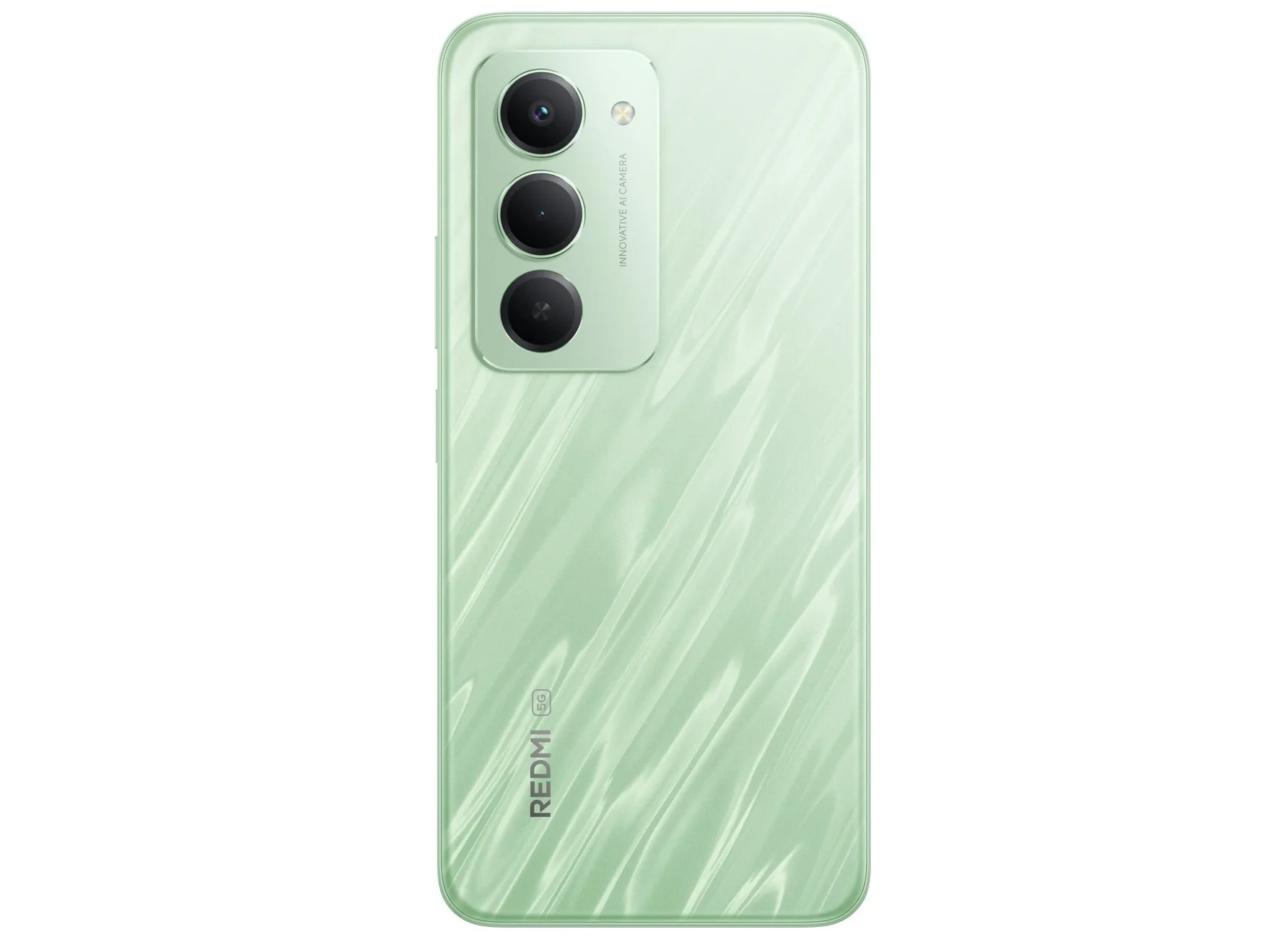
Budget Phone
The Verdict: Who Wins the 2026 Battle?
If you’re looking for the “sexier,” more premium, and all-around balanced smartphone experience – one with a display that genuinely wows, a design that feels fantastic, fast charging, and a top-tier daily user experience – the POCO M8 5G is your winner. It’s the ideal choice for content creators, casual gamers, and anyone who wants a phone that feels expensive without breaking the bank. It’s the more enjoyable all-rounder for most users in 2026.
However, if your absolute number one priority is never running out of battery – whether you’re a frequent traveler, have incredibly long days, or simply despise plugging in your phone – the Redmi 15 5G is simply unbeatable. That legendary battery life makes it the champion for power users who are willing to trade a bit of sleekness for ultimate peace of mind.
Ultimately, while the POCO M8 5G offers a more delightful and premium experience, the Redmi 15 5G’s sheer battery endurance remains an almost irresistible proposition for those who demand power that lasts.




2 thoughts on “POCO M8 5G vs Redmi 15 5G: The 2026 Low-Cost 5G Showdown”