Poco Pad X1 vs Redmi Pad 2 Pro: Xiaomi’s Tablet Showdown
Xiaomi Tablet Tango: A Deep Dive into the Poco Pad X1 vs Redmi Pad 2 Pro
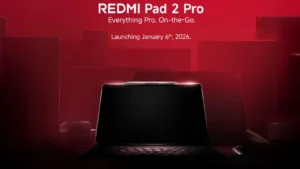
Alright, fellow Xiaomi enthusiasts, gather ’round! In the ever-evolving world of Android tablets, 2025 is shaping up to be a cracker, and Xiaomi, with its dynamic sub-brands Poco and Redmi, is once again leading the charge. Today, we’re pitting two of their most exciting mid-to-high-range contenders against each other: the sleek, performance-focused Xiaomi Poco Pad X1, unleashed in November 2025, and the entertainment-centric Xiaomi Redmi Pad 2 Pro, which made its grand entrance in September 2025. Both promise incredible value, but which one truly deserves a spot in your tech arsenal? Let’s break down the Poco Pad X1 vs Redmi Pad 2 Pro to find your perfect match!
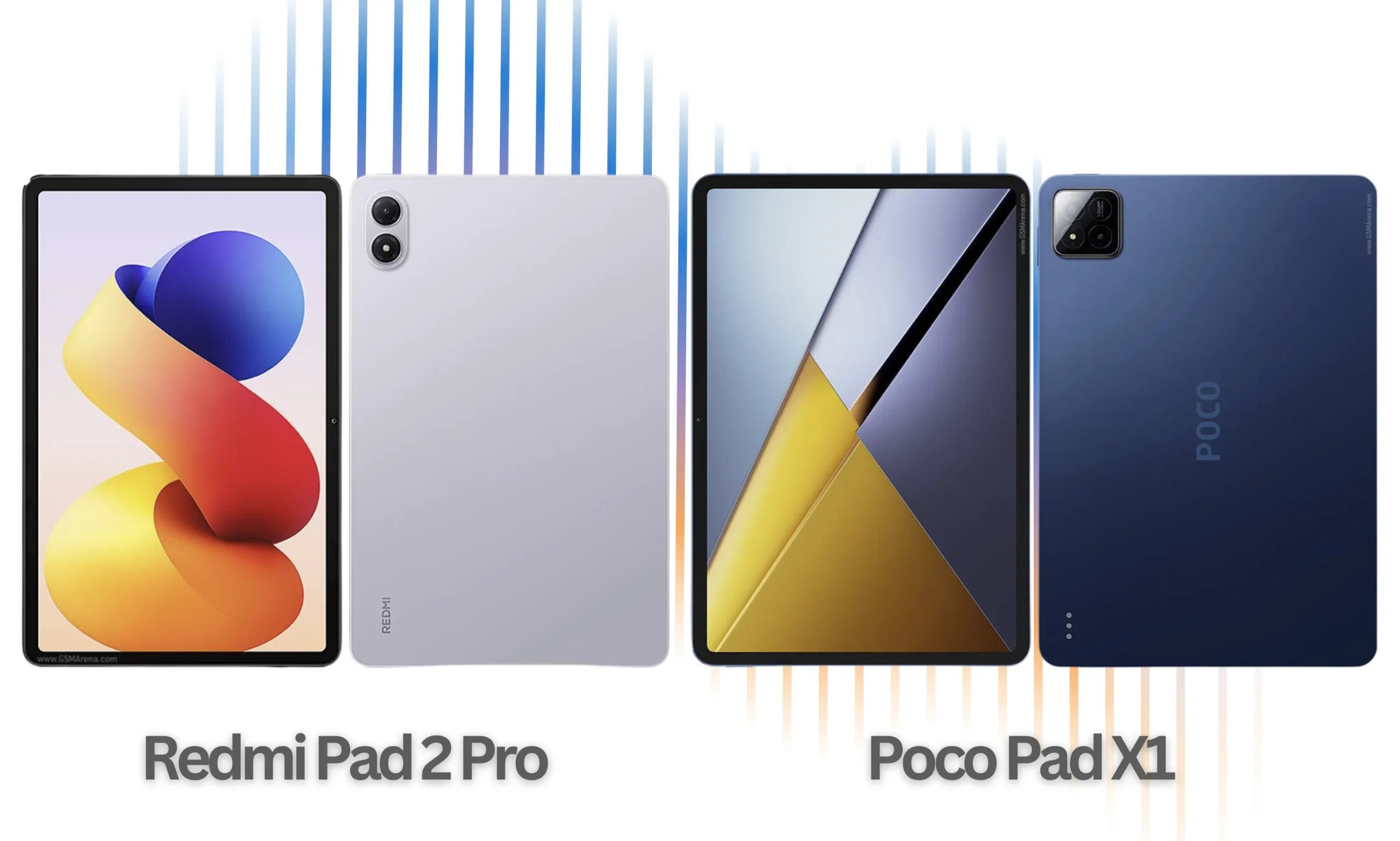
Xiaomi’s Tablet Tango: The Poco Pad X1 vs Redmi Pad 2 Pro
Xiaomi has a knack for giving us choices, often making it delightfully difficult to pick just one device. Their strategy with Poco and Redmi has always been clear: Poco pushes boundaries with raw performance and cutting-edge features for the enthusiasts, while Redmi focuses on bringing premium experiences to an even broader audience, often excelling in areas like battery life and screen size. This tablet showdown, comparing the Poco Pad X1 and the Redmi Pad 2 Pro, perfectly illustrates that philosophy. Both run on Xiaomi’s impressive HyperOS, layered atop Android 15, ensuring a smooth, connected experience within the vast Xiaomi ecosystem. But beneath that shared software, they offer distinctly different journeys. We’ve poured over official specs, delved into lab tests, and absorbed expert reviews from trusted sources like GSMArena and NotebookCheck to give you the most comprehensive comparison possible. So, let’s get into the nitty-gritty and see what makes these two tablets tick!
Design & Build Quality: Premium Portability vs. Robust Immersion
First impressions matter, and when you pick up a tablet, the feel in your hand speaks volumes. Xiaomi understands this, crafting both the Poco Pad X1 and the Redmi Pad 2 Pro with attention to detail, albeit with different priorities.
Poco Pad X1: The Sleek Performer
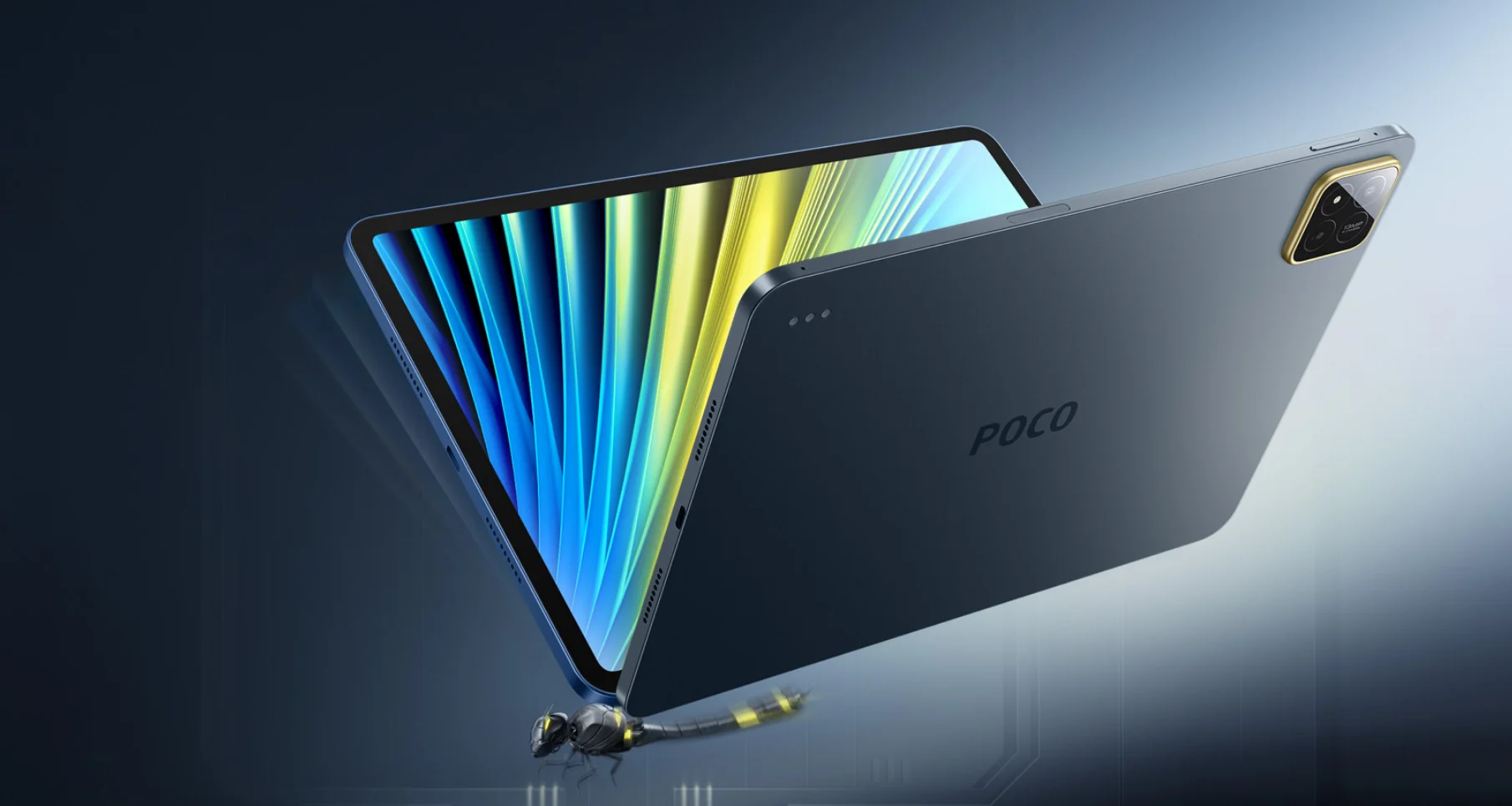
The Poco Pad X1 immediately gives off a premium vibe. It opts for a gorgeous aluminum unibody design that feels incredibly solid and luxurious. But what truly stands out is its remarkable thinness, measuring just 6.18 mm. To put that into perspective, that’s slimmer than many flagship smartphones! Paired with a feather-light weight of 500g, this tablet is an absolute dream for on-the-go use. Whether you’re commuting, sketching in a cafe, or just lounging on the couch, its extreme portability ensures comfort during prolonged sessions. The 3:2 aspect ratio of its screen also lends itself beautifully to productivity tasks, feeling more like a compact, professional notebook than a typical media consumption slate. It’s designed to be a tool, not just a toy.
Redmi Pad 2 Pro: The Sturdy Entertainer
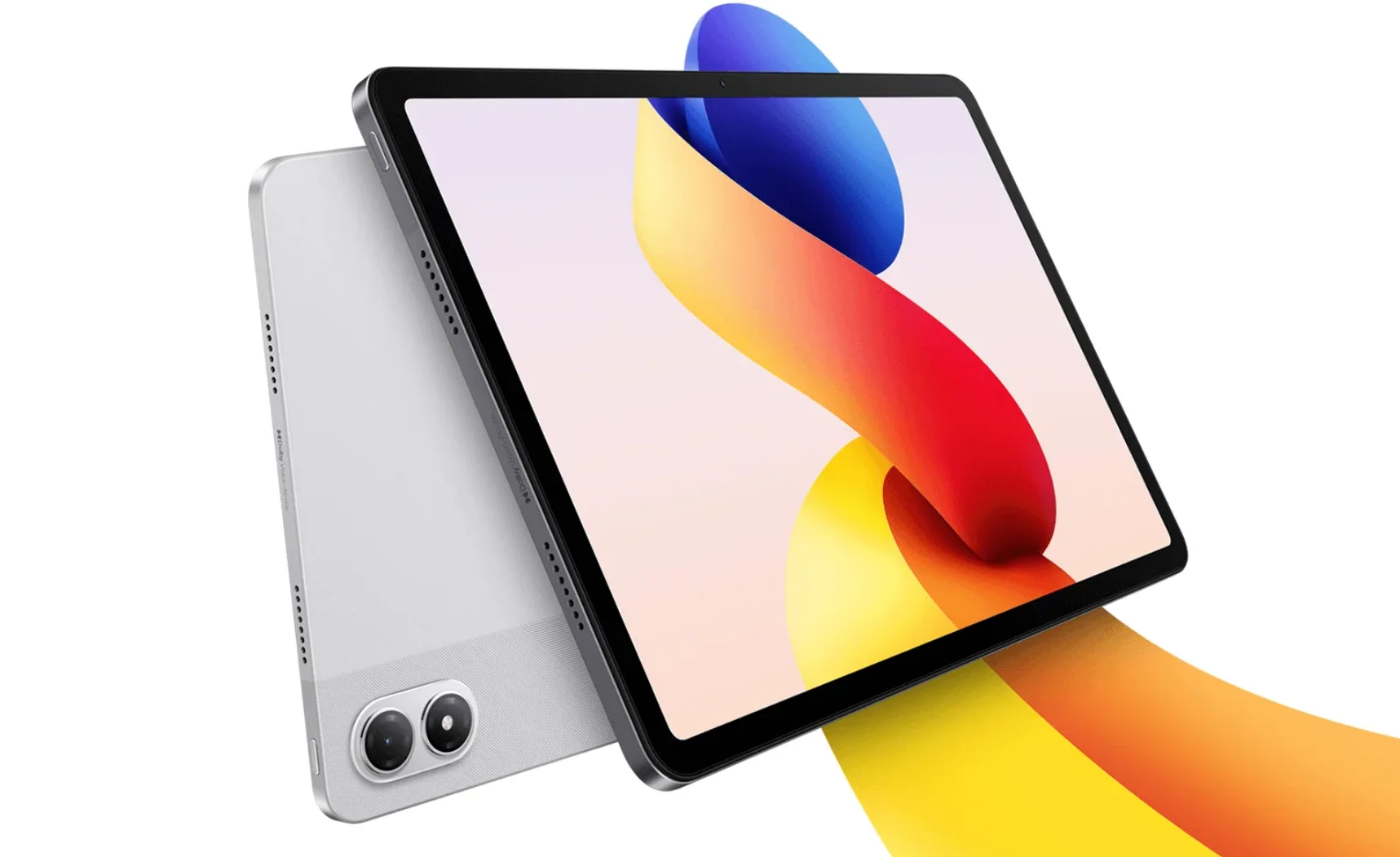
In contrast, the Redmi Pad 2 Pro, while still boasting a metallic body, is a larger and more substantial device. With dimensions of 279.80 x 181.65 x 7.5 mm and a weight of 610g, it’s noticeably more robust. While it might not be as effortlessly wielded in one hand as the Poco, this added heft translates to a greater sense of durability. It feels like it can take a bit more of a beating, which is great if your tablet often finds itself tossed into bags or shared among family members. The Redmi Pad 2 Pro also offers a wider array of color choices, including Graphite Gray, Silver, and the rather charming Lavender Purple. Some variants even come with an anti-reflective matte glass finish, which is a fantastic touch for reducing glare during those long reading or movie sessions.
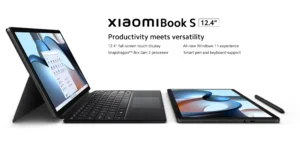
Design & Build Takeaway: If portability and a sleek, almost ethereal thinness are your top priorities, the Poco Pad X1 is the clear winner. It’s built for those who appreciate premium aesthetics and effortless mobility. However, if you prefer a tablet that feels more substantial, offers a larger canvas, and perhaps a wider choice of finishes, the Redmi Pad 2 Pro will feel more at home in your hands. Both tablets, however, wisely support official accessories like a low-latency stylus (the Poco Focus Pen or Redmi Smart Pen) and a magnetic keyboard, transforming them into versatile productivity hubs when needed.
Display Duel: Pixel Power vs. Cinematic Scale
The screen is arguably the most crucial component of any tablet. It’s your window into digital worlds, and this is where our two contenders carve out distinct niches.
| Characteristic | Poco Pad X1 | Redmi Pad 2 Pro |
|---|---|---|
| Size | 11.2 inches | 12.1 inches |
| Resolution | 3200 x 2136 (3.2K), 345 ppi | 2560 x 1600 (2.5K), 249 ppi |
| Aspect Ratio | 3:2 (Productivity-focused) | 16:10 (Entertainment-focused) |
| Refresh Rate | Up to 144 Hz | Up to 120 Hz |
| Peak Brightness | 800 nits | 600 nits (HBM) |
| Color Depth | 68 billion colors | 1.07 billion colors |
| Certifications | Dolby Vision, HDR10, TÜV Low Blue Light | Dolby Vision, TÜV Low Blue Light, Flicker Free |
| Other Features | Wet touch for rain/sweat, superior color accuracy | Wet touch for rain/sweat, eye comfort modes |
Tablets
Poco Pad X1’s Pixel Perfection
The Poco Pad X1 steps up with a display that prioritizes sharpness, fluidity, and brightness. Its 11.2-inch panel boasts a staggering 3.2K resolution (3200 x 2136 pixels), resulting in a pixel density of 345 ppi. This is incredibly sharp for a tablet, making text look crisp, images pop with detail, and videos appear stunningly clear. Gamers and creatives will particularly appreciate the ultra-smooth 144 Hz refresh rate, which makes scrolling, gaming, and editing feel incredibly responsive and fluid. Every swipe and tap is a joy.
With a peak brightness of 800 nits, the Poco Pad X1 is also significantly brighter, which is a huge advantage when using the tablet outdoors or in brightly lit environments. HDR content, especially with its Dolby Vision and HDR10 support, truly shines, delivering vibrant colors and deep contrasts. The ability to display 68 billion colors means a nuanced and rich visual experience, making it ideal for photo editing or watching high-quality cinematic content. The “wet touch” feature is also a neat little bonus, ensuring the screen remains responsive even with damp fingers – perfect for those unexpected splashes or sweaty gaming sessions. For those who demand the best visual fidelity and a buttery-smooth experience, the Poco Pad X1 is hard to beat.
Redmi Pad 2 Pro’s Big Screen Bonanza
On the other side of the ring, the Redmi Pad 2 Pro goes for pure immersion. Its larger 12.1-inch display instantly provides a more expansive canvas, perfect for curling up with your favorite series or diving deep into a comic book. While its 2.5K resolution (2560 x 1600 pixels) and 249 ppi are still very respectable, they aren’t quite as razor-sharp as the Poco’s. However, for sheer screen real estate, the Redmi takes the crown.
The 16:10 aspect ratio is tailor-made for widescreen video content, minimizing black bars and maximizing your viewing pleasure. While its 120 Hz refresh rate isn’t quite the 144 Hz of the Poco, it’s still incredibly smooth and a massive upgrade over standard 60 Hz panels. Its 600 nits of peak brightness (High Brightness Mode) are decent for most indoor scenarios, though intense HDR content might not have the same punch as on the Poco. It also supports Dolby Vision and includes TÜV Low Blue Light and Flicker Free certifications, which are crucial for reducing eye strain during marathon viewing sessions. For anyone looking for a truly immersive entertainment hub, where screen size and comfortable viewing take precedence, the Redmi Pad 2 Pro is a fantastic choice. You can learn more about this multimedia beast on its official product page.
Display Takeaway: If you’re a pixel-peeper, a hardcore gamer, or someone who values the crispest text and most vibrant HDR experience, the Poco Pad X1 offers a superior display. But if you want a sprawling canvas for movies, reading, and casual browsing, with a slightly more comfortable aspect ratio for entertainment, the Redmi Pad 2 Pro’s larger screen is your go-to.
Performance Powerhouse: Snapdragon Showdown
What’s under the hood often dictates how long you’ll love your tablet. Both tablets pack capable processors, but one definitely flexes more muscle.
Poco Pad X1: Unlocking Next-Gen Performance
The Poco Pad X1 is built for speed demons and power users. It’s armed with the Snapdragon 7+ Gen 3 (4nm), a processor that punches well above its weight class in the mid-range segment. This chipset is a beast, capable of delivering estimated AnTuTu benchmark scores exceeding 1,000,000 points. What does that mean for you? Silky-smooth multitasking, lightning-fast app launches, and the ability to tackle demanding games like Genshin Impact or Call of Duty Mobile at high graphics settings without breaking a sweat. If you plan on doing any video editing, graphic design, or heavy-duty productivity, the Poco Pad X1 will make those tasks feel significantly snappier and more enjoyable. It’s engineered for those who demand uncompromising performance. You can explore the full potential of this device on the Poco Pad X1’s official page.
Redmi Pad 2 Pro: Reliable Power for Everyday Fun
The Redmi Pad 2 Pro, while not quite as formidable, still packs a very respectable punch with the Snapdragon 7s Gen 4 processor. Its estimated AnTuTu score of around 880,000 points is still excellent for a tablet in its class. This means you’ll enjoy a smooth experience for web browsing, social media, video streaming, casual gaming, and most productivity apps. It handles daily tasks with grace and efficiency. You won’t encounter significant lag in everyday use, but if you push it with very graphically intensive games or professional creative software, you might notice the difference compared to the Poco.
Both tablets come equipped with 8GB of LPDDR4X RAM, which can be virtually expanded using some of the internal storage – a neat trick for keeping more apps open without slowdowns. For storage, the Poco offers configurations up to a generous 512GB (UFS), while the Redmi goes up to 256GB (UFS), both utilizing fast UFS storage for quick data access.
Software Experience & Long-Term Support
Both devices proudly run HyperOS 2, Xiaomi’s slick, feature-rich operating system based on Android 15. HyperOS is known for its fluid animations, extensive customization options, and seamless integration with other Xiaomi devices. It offers a clean, intuitive user experience that’s a pleasure to navigate.
When it comes to longevity, the Redmi Pad 2 Pro pulls ahead with a fantastic promise of software updates. Xiaomi has committed to supporting the Redmi Pad 2 Pro up to Android 20 and providing security patches until 2032. This is an incredible commitment, ensuring your tablet remains secure and up-to-date for many years, which is a huge bonus for long-term value. The Poco Pad X1 will also receive extensive updates, but the Redmi’s pledge is particularly noteworthy. For more insights into Xiaomi’s software, check out our articles on HyperOS.
Performance & Software Takeaway: If raw power for demanding applications, serious gaming, or intense multitasking is your priority, the Poco Pad X1 and its Snapdragon 7+ Gen 3 are the clear choice. However, if you’re looking for a capable everyday performer with an exceptionally long software support roadmap, the Redmi Pad 2 Pro offers tremendous peace of mind.
Battery & Charging: Endurance King vs. Capable Companion
One of the biggest pain points with mobile devices is battery life. Nobody likes scrambling for a charger in the middle of a binge-watching session or an important work task. This is an area where one of our contenders truly shines.
Redmi Pad 2 Pro: The Marathon Runner
The Redmi Pad 2 Pro is an absolute beast when it comes to endurance. It packs a colossal 12,000 mAh battery, which is one of the largest you’ll find in any tablet today. This translates to truly phenomenal battery life – you can expect up to 20 hours of continuous video playback or several days of moderate use on a single charge. For multimedia consumption, long flights, or just forgetting your charger for a weekend, this tablet is an absolute champion. When it does eventually run low, it supports 33W fast charging, getting you back up and running relatively quickly. An added bonus is its 27W reverse charging capability, meaning you can use the tablet to top up your smartphone or other gadgets in a pinch – a feature that’s incredibly handy to have! The Redmi Pad 2 Pro exemplifies fast charging done right.
Poco Pad X1: Power for a Productive Day
The Poco Pad X1 isn’t a slouch in the battery department, but it can’t quite match the Redmi’s gargantuan capacity. With an 8,850 mAh battery, it still offers very respectable endurance, typically providing 10-12 hours of streaming video or a full day of mixed use. For most users, this will be more than sufficient for daily tasks and entertainment. It also benefits from similar fast-charging capabilities, ensuring that downtime isn’t excessively long.
Battery & Charging Takeaway: This is a clear win for the Redmi Pad 2 Pro. If you absolutely prioritize maximum battery life and want a tablet that can go for days without needing a top-up, the Redmi Pad 2 Pro is the undisputed champion. The Poco Pad X1 offers solid, dependable battery life, but it simply can’t compete with the Redmi’s marathon-runner status.
Cameras & Audio: Functional Features, Not Flagship Flash
Tablets aren’t typically known for their stellar cameras, and both the Poco Pad X1 and Redmi Pad 2 Pro stick to this trend. They offer functional camera setups, perfectly adequate for video calls and scanning documents, but don’t expect them to replace your smartphone for photography.
- Poco Pad X1: Features a 13 MP camera on the rear and an 8 MP camera on the front.
- Redmi Pad 2 Pro: Comes with an 8 MP rear camera and an 8 MP front camera. Interestingly, the 5G version of the Redmi Pad 2 Pro upgrades the rear camera to 13 MP.
For video conferencing, both 8 MP front cameras will provide clear and crisp visuals, making them excellent tools for remote work or catching up with family.
Where both tablets genuinely shine is in their audio experience. Both devices feature a quad-speaker setup with Dolby Atmos support. This means you get rich, immersive sound that makes watching movies or listening to music a pleasure. However, the Redmi Pad 2 Pro takes it up a notch, offering volume levels up to 300% higher in certain media modes. This extra oomph can be a game-changer for shared viewing experiences or when you simply want to fill a room with sound. For an enhanced audio experience, especially on HyperOS devices, you might find our article on the Xiaomi Dolby Audio Bug Fix Announced for HyperOS Devices interesting.
Cameras & Audio Takeaway: Neither tablet will win awards for photography, but they are more than capable for video calls. For audio, both offer a great experience with Dolby Atmos, but the Redmi Pad 2 Pro pulls ahead with its impressive volume boost, making it a superior choice for shared media consumption.
Pricing & Availability: Value Propositions
Xiaomi’s core philosophy has always been about offering incredible value, and these two tablets are no exception. Their pricing reflects their positioning, making them highly attractive in the mid-to-high-range tablet market.
The Poco Pad X1 positions itself as a premium yet accessible option, typically starting from around €350-400 (or approximately $370-425 USD), depending on the configuration (RAM/storage). This makes it a compelling choice for those seeking top-tier performance and a refined design without breaking the bank.
The Redmi Pad 2 Pro, on the other hand, is generally more affordable. Prices for the Wi-Fi-only version start from around €300 (or approximately $265 USD), with the 5G variant (which also sports that upgraded 13MP rear camera) going up to €380 (around $370 USD). Given its massive battery and large screen, the Redmi Pad 2 Pro offers exceptional value, especially with the various deals and promotions expected throughout 2025. This makes it a fantastic choice for budget-conscious consumers looking for a feature-packed tablet. For instance, the Redmi Pad 2 Pro 5G: India Teased for Launch on Amazon & Flipkart shows how aggressively Xiaomi markets its tablets in different regions.
Here’s a quick overview of estimated pricing across different regions:
| Region/Market | Model | Price in local currency | Equivalent approximate in USD |
|---|---|---|---|
| USA (importation, Amazon/eBay) | Poco Pad X1 | – | ~350-450 USD |
| USA (importation, Amazon/eBay) | Redmi Pad 2 Pro | – | ~300-400 USD |
| Europe (EUR, mi.com) | Poco Pad X1 | ~350-400 € | ~370-425 USD |
| Europe (EUR, mi.com) | Redmi Pad 2 Pro | ~250-350 € | ~265-370 USD |
| Asia – China (CNY, mi.com) | Poco Pad X1 | ~2500-3000 ¥ | ~350-420 USD |
| Asia – China (CNY, mi.com) | Redmi Pad 2 Pro | ~2000-2500 ¥ | ~280-350 USD |
| Asia – India (INR, Flipkart/mi.com) | Poco Pad X1 | ~28.000-35.000 ₹ | ~335-420 USD |
| Asia – India (INR, Flipkart/mi.com) | Redmi Pad 2 Pro | ~22.000-28.000 ₹ | ~265-335 USD |
Pricing Takeaway: The Redmi Pad 2 Pro offers a compelling price advantage, especially for its Wi-Fi model, making it a stellar deal for those prioritizing budget and battery life. The Poco Pad X1 justifies its slightly higher price with a more powerful processor and a more premium, high-resolution display. Both devices represent excellent value within the competitive Tablets market segment.
Poco Pad X1 vs Redmi Pad 2 Pro
The Verdict: Pros and Cons at a Glance
Let’s boil it all down to the essential pros and cons to help make your decision clearer.
Poco Pad X1: The Productivity & Performance Powerhouse
Pros:
* Superior Display: Higher 3.2K resolution, 345 ppi, ultra-smooth 144 Hz refresh rate, and brighter 800 nits peak brightness make for stunning visuals and fluid interactions.
* More Powerful Performance: Snapdragon 7+ Gen 3 offers significantly higher benchmark scores, making it ideal for demanding games, advanced multitasking, and creative work.
* More Portable Design: Thinner (6.18 mm) and lighter (500 g) aluminum unibody build, perfect for on-the-go usage and extended holding comfort.
* Premium Feel: Its design and overall responsiveness contribute to a more premium user experience.
Cons:
* Smaller Battery: 8,850 mAh battery is good, but not as long-lasting as the Redmi Pad 2 Pro.
* Smaller Screen for Multimedia: 11.2 inches is great for productivity, but less immersive for movies than a larger display.
* Higher Price Tag: Generally more expensive than the Redmi Pad 2 Pro.
Redmi Pad 2 Pro: The Entertainment & Endurance Champion
Pros:
* Massive Battery: 12,000 mAh battery delivers exceptional, multi-day endurance and even features reverse charging.
* Larger, More Immersive Screen: 12.1-inch display with a 16:10 aspect ratio is perfect for movies, reading, and general entertainment.
* Excellent Long-Term Software Support: Promises updates up to Android 20 and security patches until 2032, ensuring great longevity.
* More Affordable Price: Generally offers a better price-to-features ratio, especially the Wi-Fi model.
* Louder Audio: Up to 300% volume increase in media modes, enhancing the entertainment experience.
* Optional 5G Connectivity: Provides mobile internet access for on-the-go streaming and browsing.
Cons:
* Less Powerful Processor: Snapdragon 7s Gen 4 is very capable but falls behind the Poco Pad X1 in raw performance for intensive tasks.
* Heavier and Thicker: Less ergonomic for single-hand use and not as portable as the Poco Pad X1.
* Lower Resolution/Brightness Display: While good, it doesn’t match the pixel density or peak brightness of the Poco Pad X1.
Conclusion: Your Perfect Xiaomi Tablet Awaits!
So, which Android tablet should you choose in this exciting Poco Pad X1 vs Redmi Pad 2 Pro face-off? It truly boils down to your primary use case. The Xiaomi Poco Pad X1 is the ultimate choice if you’re seeking a compact, powerhouse tablet for serious productivity, competitive gaming, or creative endeavors like photo and video editing. Its stunning 144 Hz display and superior processor make every interaction feel snappy and premium. For those who need raw performance and a truly portable design, this is your device.
However, if your priorities lean towards an exceptionally long battery life, a sprawling, immersive screen for binge-watching your favorite shows, extensive reading, or just enjoying multimedia without constantly worrying about a charger, then the Xiaomi Redmi Pad 2 Pro is the clear winner. Its more aggressive price point and the option for 5G connectivity further sweeten the deal. Both tablets are fantastic examples of Xiaomi’s commitment to delivering outstanding value and cutting-edge technology to a global audience. No matter which you choose, you’re getting a top-tier device from a brand that truly understands its users.
FAQs
1. Which has better battery life, the Poco Pad X1 or the Redmi Pad 2 Pro?
The Redmi Pad 2 Pro is the clear winner here, boasting a massive 12,000 mAh battery that offers up to 20 hours of video playback, significantly more than the Poco Pad X1’s 8,850 mAh.
2. Are both tablets compatible with a stylus and magnetic keyboard?
Yes, absolutely! Both the Poco Pad X1 and the Redmi Pad 2 Pro support their respective official styluses (Poco Focus Pen or Redmi Smart Pen) and magnetic keyboards, making them excellent tools for note-taking, drawing, and boosting productivity.
3. Which tablet is better for gaming?
The Poco Pad X1 takes the lead for gaming thanks to its more powerful Snapdragon 7+ Gen 3 processor and its ultra-smooth 144 Hz display, which can handle demanding games with greater fluidity and higher frame rates.
4. Do either of these tablets offer microSD card expansion for storage?
No, neither the Poco Pad X1 nor the Redmi Pad 2 Pro feature a native microSD card slot. However, both utilize fast UFS internal storage (up to 512GB for Poco, 256GB for Redmi) and offer virtual RAM expansion to help manage multitasking.
5. Which tablet do you recommend for watching movies and TV shows?
For an unparalleled cinematic experience, we recommend the Redmi Pad 2 Pro. Its larger 12.1-inch screen, 16:10 aspect ratio, powerful quad speakers with up to 300% volume boost, and massive battery life make it the ideal choice for prolonged multimedia consumption.



1 thought on “Poco Pad X1 vs Redmi Pad 2 Pro: Xiaomi’s Tablet Showdown”