Redmi Turbo 5 Series: Mid-Range Kings Arrive Globally
Redmi Turbo 5 Series: The Mid-Range Kings Redefining Performance and Battery Life!
Hey Xiaomi fans! Get ready to be absolutely thrilled because Xiaomi’s performance-focused Redmi brand just dropped a bombshell in China: the Redmi Turbo 5 series. Launched on January 29, 2026, these devices — the Redmi Turbo 5 and Redmi Turbo 5 Max — are setting new benchmarks for mid-to-upper-mid-range smartphones, focusing on incredible battery life, blazing-fast charging, stunning displays, and powerful MediaTek processors, all at prices that make you do a double-take. This is big Tech News for us at xiaomiforall.com!

For those of us outside China, especially in Europe and the Americas, good news! This awesome Redmi Turbo 5 series is expected to land on our shores soon under the familiar POCO branding. Think POCO X8 Pro for the standard model and POCO X8 Pro Max for the, well, maxed-out version. While we’re eagerly awaiting global pricing and availability (likely Q1 or early Q2 2026), these phones are already making waves. Imports are popping up, and there’s a little chatter about potential battery tweaks for global versions – maybe slightly smaller capacities to meet local rules or tastes. But honestly, even with a tiny adjustment, these batteries are still beasts!
Meet the Turbo Twins: Specifications Breakdown
Diving straight into what makes these devices tick, let’s get into the nitty-gritty. Both phones are powerhouses designed to deliver a smooth, high-performance experience, whether you’re gaming, streaming, or just breezing through your day.
| Feature | Redmi Turbo 5 (expected POCO X8 Pro) | Redmi Turbo 5 Max (expected POCO X8 Pro Max) |
|---|---|---|
| Processor | MediaTek Dimensity 8500-Ultra (4nm) | MediaTek Dimensity 9500s (3nm, world’s first commercial device) |
| Display | 6.59-inch 1.5K AMOLED, 120Hz, 3500 nits peak, HDR10+/Dolby Vision | 6.83-inch 1.5K AMOLED, 120Hz, 3500 nits peak, HDR10+/Dolby Vision |
| Battery | 7560mAh | 9000mAh (Xiaomi’s largest smartphone battery to date) |
| Charging | 100W wired fast charging, 27W reverse wired, PPS support | 100W wired fast charging, 27W reverse wired, PPS support |
| RAM/Storage | Up to 16GB LPDDR5X + 512GB UFS 4.1 | Up to 16GB LPDDR5X + 512GB UFS 4.1 |
| Rear Camera | 50MP main (OIS) + 8MP ultra-wide | 50MP main (high-dynamic, OIS) + 8MP ultra-wide |
| Front Camera | 20MP | 20MP |
| Cooling System | Flagship vapor chamber + HyperEngine gaming optimizations | Advanced 3D ice-sealed circulation cold pump + HyperEngine |
| Build & Durability | Glass back, metal frame, IP66/IP68/IP69/IP69K water/dust resistance | Glass/fiberglass back, metal frame, IP68/IP69K |
| Other Highlights | Ultrasonic fingerprint, stereo speakers, Apple device file sharing & notifications | Ultrasonic fingerprint, stereo speakers with fine volume control, “ticket-grabbing” mode for apps, enhanced positioning |
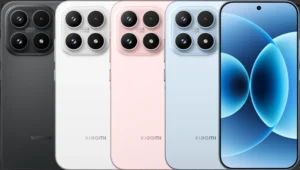
| Colors | Shadow Black, Light Sea Cyan, Cloud White | Shadow Black, Sea Wind Blue, Cloud White, Sunshine Orange |
| Starting Price (China) | 1999 CNY (~$288 USD / ~€275 EUR) (subsidized ~1699 CNY) | 2199–2499 CNY (~$317–$360 USD / ~€302–€343 EUR) (subsidized ~1869–2379 CNY) |
Note: Exchange rates are approximate as of Jan 30, 2026. Global POCO versions may see slightly higher prices due to duties and market adjustments.
Performance That Pushes Boundaries

Tech News
Let’s talk pure grunt. These phones aren’t just pretty faces; they’re absolute beasts under the hood. The Redmi Turbo 5 Max, with its MediaTek Dimensity 9500s, is particularly exciting. This chip is a world-first commercial device featuring a 3nm process with an all-big-core setup and a massive cache. What does that mean for you? Near-flagship power! Early benchmarks are showing AnTuTu scores around 3.3 million (with the GPU hitting about 1.13M) – we’re talking performance that rivals top-tier Snapdragon 8-series chips, especially in efficiency and sustained gaming.
Even the standard Redmi Turbo 5, sporting the Dimensity 8500-Ultra, is no slouch. It handles demanding titles smoothly with impressive thermal management. Both devices leverage Xiaomi’s HyperEngine for real-time CPU, GPU, and memory tuning, guaranteeing buttery-smooth, stable frame rates in intense games like Genshin Impact or PUBG Mobile even at high settings. And with advanced cooling systems – from the flagship vapor chamber in the Turbo 5 to the 3D ice-sealed circulation cold pump in the Max – throttling during long gaming sessions becomes a worry of the past. For mobile gamers in the US or Europe, this consistent performance is a game-changer.
Battery Life & Charging: Go Days Without a Plug
This is where the Redmi Turbo 5 series truly shines and differentiates itself. Seriously, the battery endurance on these things is next-level.
- The Redmi Turbo 5 Max packs an colossal 9000mAh battery – a record for Xiaomi smartphones. In rigorous tests, it astonishingly lasts 11 hours and 10 minutes, outperforming many competitors with even larger 10,000mAh cells thanks to the 3nm chip’s efficiency and Xiaomi’s smart battery tech. If you want to dive deeper into that powerhouse, we’ve covered the Redmi Turbo 5 Max 9000 mAh battery: The 2026 Mid-Range King in depth before.
- The standard Redmi Turbo 5 isn’t far behind with its 7560mAh battery, easily cruising through 1.5 to 2 days of mixed usage.
And when you do need to top up, the 100W fast charging refills these mammoth batteries from empty in roughly 30-40 minutes. Plus, 27W reverse wired charging means you can power up your accessories or even lend a boost to a friend’s phone – super handy! For Europeans and Americans constantly on the go, this means less anxiety over battery drain during travel, long commutes, or extended outdoor adventures. It truly makes these Smartphones ideal companions.
Design, Display & Build: Premium Feel, Robust Durability

Redmi Turbo 5 Series
Despite housing those enormous batteries, both phones maintain surprisingly slim profiles, with the Max coming in at around 8.2mm thick and weighing about 219g. They feel good in the hand, belying their internal power.
The displays are simply gorgeous M10 AMOLED panels. With a staggering 3500 nits peak brightness, reading your screen in direct sunlight is no longer a struggle. And for those of us who spend hours staring at our phones, the eye-friendly 3840Hz PWM + DC dimming helps reduce eye strain – a thoughtful touch that’s always appreciated.
Build-wise, Xiaomi hasn’t cut corners. Both models feature robust metal frames and premium glass or fiberglass backs. What truly sets them apart in this segment is their high IP ratings for water and dust resistance. The Turbo 5 boasts an impressive IP66/IP68/IP69/IP69K rating, while the Max has IP68/IP69K. This level of durability means these phones are built to withstand active lifestyles and even rainy European weather, making them incredibly reliable.
Cameras & Nifty Extras
While the focus here is undeniably on performance and battery, the cameras are no slouch. They’re designed for solid everyday performance, capturing your memories with clarity and detail.
- Both phones feature a 50MP main camera with Optical Image Stabilization (OIS), with the Max offering enhanced high-dynamic range support for even better photos and videos.
- An 8MP ultra-wide lens lets you capture more of the scene, and a 20MP front camera ensures your selfies are always on point.
Beyond the core specs, there are some pretty cool “extras” that enhance the user experience:
- Ultrasonic Fingerprint Sensor: Super fast and works even with wet fingers – a small but significant convenience.
- Stereo Speakers: Enjoy immersive audio, with the Max offering even finer volume control.
- Connectivity: NFC for contactless payments, an IR blaster (a Xiaomi staple!), Wi-Fi 6, and Bluetooth 5.4.
- Software Perks: Unique modes like app acceleration and seamless Apple ecosystem integration (yes, file sharing and notifications with Apple devices!) show Xiaomi’s commitment to user-centric features. Both run Android 16 with HyperOS 3, promising several years of updates. And with Android 16 and HyperOS 3 onboard, you can expect solid software support, much like the Redmi 15 Series Update Policy promises for other Redmi devices.
Pricing, Availability & Market Position
Redmi
In China, Xiaomi’s aggressive pricing strategy, coupled with subsidies, makes these phones an insane value proposition:
- The Redmi Turbo 5 starts at an official 1999 CNY (around $288 USD / ~€275 EUR), often dropping even lower thanks to subsidies.
- The Redmi Turbo 5 Max begins at 2199 CNY (about $317 USD / ~€302 EUR), ranging up to 2499 CNY.
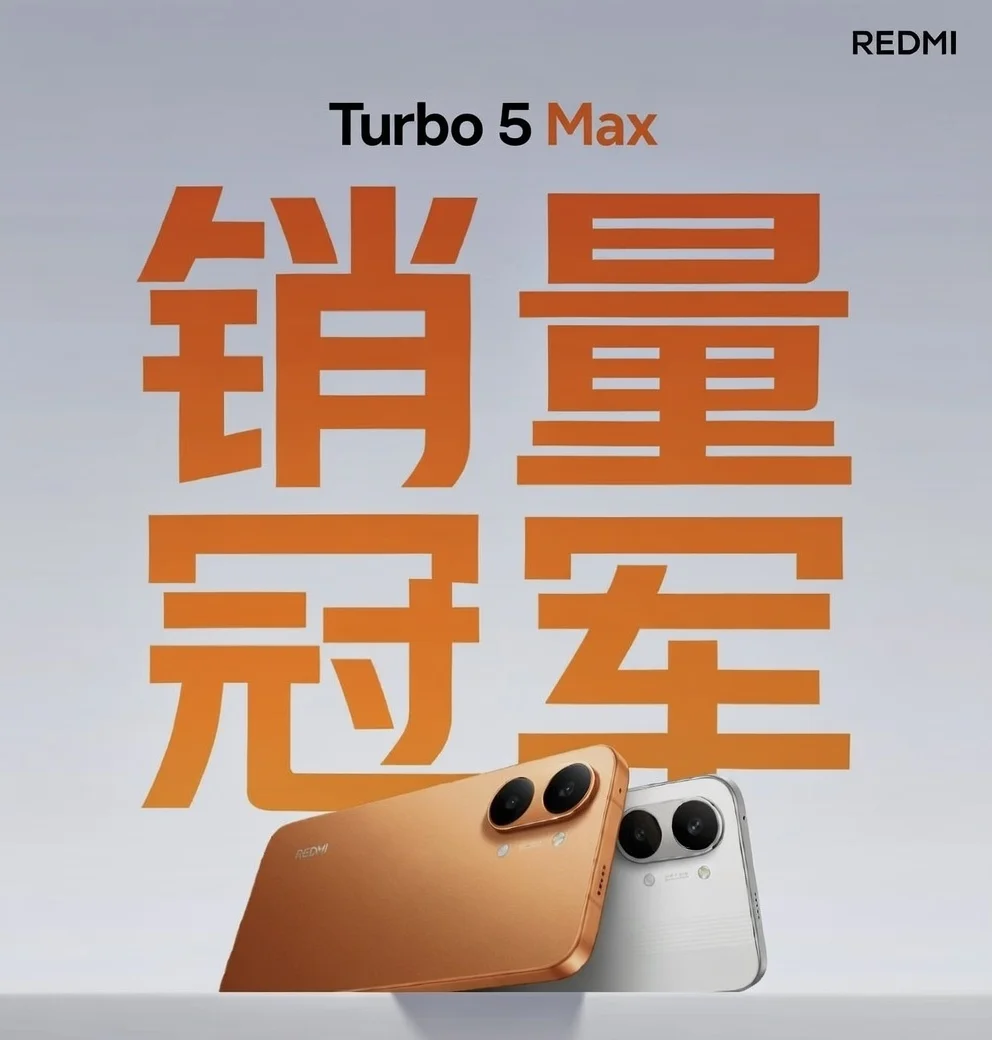
When these devices make their global debut as POCO X8 Pro and POCO X8 Pro Max, we can expect prices in the range of $350–$500 USD / €330–€470 EUR. While slightly higher due to import duties, certifications, and market adjustments, they will still significantly undercut many competitors offering similar, or even lesser, specifications. The Turbo 5 Max, in particular, shattered sales records in its price tier in China within hours of launch, fueled by the debut of the Dimensity 9500s and that phenomenal battery. For those looking forward to the global variants, there’s even talk of a special Poco X8 Pro Iron Man Edition making waves.
Why the Redmi Turbo 5 Series Matters for European & American Buyers

Redmi Turbo 5 Series
In a market often criticized for incremental updates and soaring flagship prices, the Redmi Turbo 5 series (as POCO X8 Pro / Pro Max) brings genuine, impactful innovation. It’s a breath of fresh air for the mid-range Smartphones segment, delivering extreme battery life, flagship-grade charging, brilliantly bright screens, and powerful gaming performance – all at prices that don’t require you to take out a second mortgage.
These phones are absolutely ideal for:
- Heavy Gamers: Say goodbye to throttling and hello to extended, fluid gaming sessions.
- Travelers & Commuters: Enjoy multi-day battery life without constantly searching for an outlet.
- Value-Conscious Buyers: Get premium features and a top-tier experience without the flagship price tag.
- Users Tired of Daily Charging: Seriously, that 9000mAh battery is life-changing.
Of course, no phone is perfect. Potential drawbacks might include minor regional software differences, cameras that are solid but not quite “flagship-killer” in low light compared to dedicated imaging powerhouses, and those potential slight battery tweaks in global variants. However, these are minor quibbles when you look at the overall package. The Redmi Turbo 5 series is truly pushing the boundaries of Mobile Technology without breaking the bank.
As 2026 continues to unfold, these devices are poised to reshape expectations for mid-range phones across Europe and the Americas, delivering “max” endurance and performance without the premium price tag. Get ready, the mid-range king has arrived!