Xiaomi 17 Pro India launch: No Rear Screen for India?
Why the Xiaomi 17 Pro India Launch is Skipping the Cool Rear Screen: A Confusing Call!
Hey Xiaomi fans! Ever get that feeling when a new phone drops in one region with an incredible feature, and then… crickets for your own market? Well, that’s exactly what’s happening with the highly anticipated Xiaomi 17 Pro India launch. A recent buzz from tech expert Abhishek Yadav has left many of us scratching our heads. It seems India will only be getting the standard Xiaomi 17 and the super-premium Xiaomi 17 Ultra, leaving out the dazzling 17 Pro and 17 Pro Max with their innovative rear displays. Talk about a plot twist!
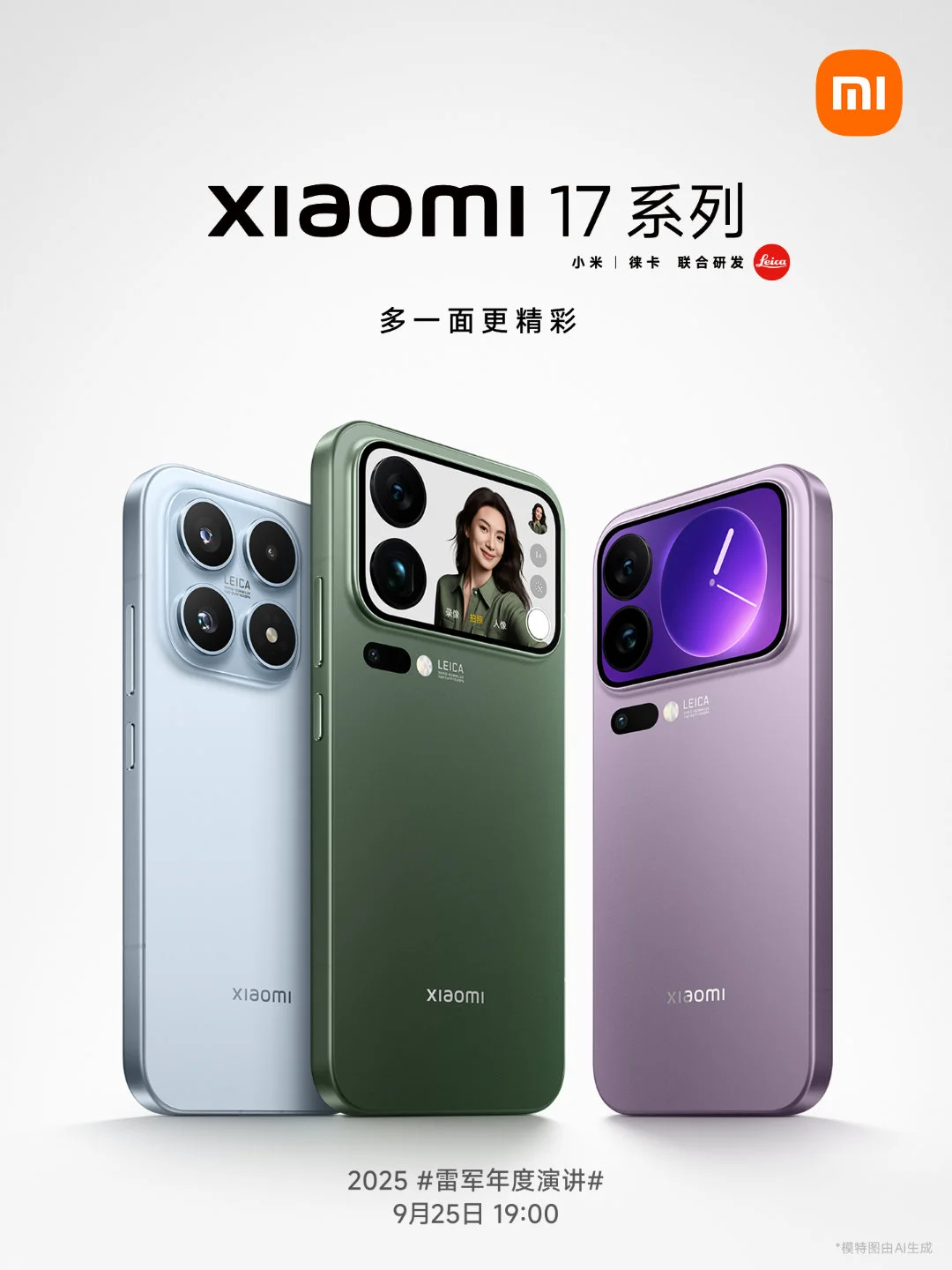
The Mystery of the Missing Back Screen in India
The tech community is abuzz with confusion. @yabhishekhd recently shared that while the Xiaomi 17 and 17 Ultra are slated for an India release around January or February 2026 (they even have BIS certification!), the 17 Pro and 17 Pro Max, which boast that eye-catching rear screen, won’t be joining the party. These Pro models have been the talk of the town since the series debuted in China back in September 2025, thanks to that clever secondary display. So, why would Xiaomi hold back such a talked-about feature from a massive market like India?
Potential Reasons Behind Xiaomi’s Decision
It’s natural to wonder about the “why.” While Xiaomi hasn’t officially stated their reasons, industry speculation points to a few possibilities:
- Market Segmentation: Xiaomi has a history of keeping certain high-end variants exclusive to its home market, China. It’s a strategy to create distinct offerings for different regions, perhaps like how Apple segments its iPhone lineup.
- Global ROM Challenges: Adapting the software for a global audience can be tricky. Features like the rear display might require specific software optimizations or face compatibility issues with the global version of HyperOS. We’ve seen similar hurdles with Xiaomi 2026 Launches: A New Era of Innovation Dawns! in the past.
- Price Sensitivity: India is a very competitive, price-sensitive market. Including the Pro models with their extra features could significantly drive up costs, potentially making them less appealing to a broader consumer base who might not see the value in a secondary screen.
- Avoiding Internal Competition: Could it be a strategic move to prevent the Pro models from cannibalizing the sales of the 17 Ultra? The Ultra is squarely aimed at photography enthusiasts, packed with a premium camera system. Maybe Xiaomi wants a clear distinction for their top-tier offering in India. We’ve seen how important the camera is with the Xiaomi 17 Ultra photography: The 200MP Beast is Here!.
- Perceived Demand & Regulations: It’s possible Xiaomi perceives a lower demand for “experimental” features like a rear display in India. Or, there could be local regulations that complicate the launch of such a device.
Diving Deeper: The Xiaomi 17 Series Variants
The Xiaomi 17 series is a diverse bunch, offering something for everyone – or at least, trying to! Let’s break down why some models flaunt the rear screen and others don’t.
The series generally includes four main variants:
* Xiaomi 17 Standard: Focuses on core flagship experience.
* Xiaomi 17 Ultra: All about the camera.
* Xiaomi 17 Pro: Innovation with the rear display.
* Xiaomi 17 Pro Max: Larger version of the Pro, also with the rear display.
Where the Back Display Shines (and Doesn’t)
The standard Xiaomi 17 and the Ultra models skip the secondary screen to prioritize other aspects. The Xiaomi 17 Ultra, for instance, goes all-in on its camera system. We’re talking a Leica-tuned setup with a 1-inch sensor and a whopping 200MP periscopic lens! This sophisticated camera hardware takes up a lot of internal space, making it difficult, if not impossible, to fit in a rear display.
On the flip side, the Xiaomi 17 Pro (6.3 inches) and Pro Max (6.9 inches) are the stars of the show when it comes to the “Dynamic Back Display.” This 2.6 to 2.9-inch screen is surprisingly versatile. Imagine snapping high-quality selfies with the main camera, getting quick notifications, using real-time translation, or even a bit of light gaming – all from the back! This division allows Xiaomi to cater to different preferences: display innovation for the Pro models and raw photographic power for the Ultra.
Key Features Comparison: Pro Models vs. Ultra
Here’s a quick look at how these interesting differences play out:
| Feature | Xiaomi 17 Pro / Pro Max | Xiaomi 17 Ultra |
|---|---|---|
| Rear Display | Yes (2.6-2.9 inch Dynamic Back) | No |
| Primary Focus | Display Innovation, Versatility | Camera Excellence |
| Camera Highlights | Main camera selfies, notifications | Leica system, 1-inch sensor, 200MP Periscope |
| Typical Screen Size | 6.3″ (Pro), 6.9″ (Pro Max) | Large Flagship Display |
Is This Strategy a Bit… Confusing?
Frankly, yes, it can be! For the average consumer, having multiple variants where a key, innovative feature like the rear screen isn’t universal can be a bit bewildering. You might expect a “Pro” model in a flagship series to simply be a step up across the board. However, this segmented approach isn’t unheard of in the tech world; Apple does something similar with its iPhone Pro vs. standard models. It allows Xiaomi to meet diverse market demands. In China, that rear screen was a huge hit, driving impressive sales and even inspiring new AI features like on-device translation.
The Bottom Line for India
So, it looks like the absence of the Xiaomi 17 Pro and Pro Max in India is a calculated market move. By focusing on “safer” bets like the Ultra, with its massive 6,800mAh battery and powerful Snapdragon 8 Gen 5 chip (details we know thanks to reports like Xiaomi 17 Ultra HyperOS 3.0.7.0: 200MP Camera, Apple Integration), Xiaomi aims to maximize profitability and streamline its offerings. While it’s certainly confusing for tech enthusiasts yearning for that rear display magic, for now, Indian consumers will have to look to parallel imports from China – risking potential software incompatibilities or warranty issues – if they absolutely want that unique feature. Will Xiaomi change its mind down the line? Only time will tell!