Xiaomi Exec: Ultra-Slim “Air” Phones a Niche Failure?
The “Air” Smartphone Conundrum: Xiaomi’s Lu Weibing Weighs In on Ultra-Slim Future
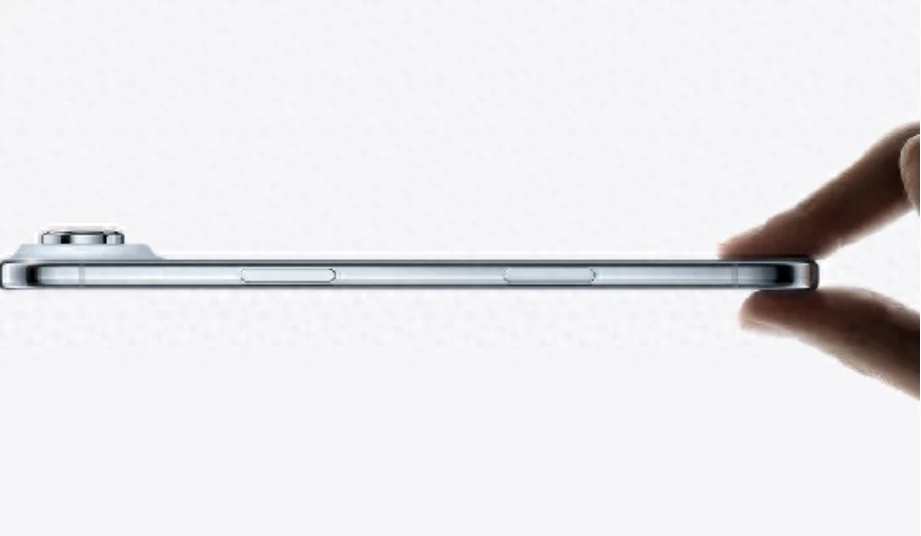
In a year where smartphone innovation is measured in millimeters, the “Air” phone concept – ultra-thin and bold – has sparked both hype and skepticism. Now, Lu Weibing, Xiaomi Group President and Head of Mobile, is adding fuel to the debate with some candid thoughts. He acknowledges the design audacity of these wafer-thin devices but points out a crucial trade-off: “Their extreme thinness sacrifices the user experience in key areas like battery, heat dissipation, performance, and camera. From the perspective of actual sales, they are a very small niche. The most important thing is to observe long-term user retention.”
Apple’s Ambitious Bet and the Numbers Don’t Lie
These insightful words, shared in an exclusive interview with IT Home on November 3, 2025, come at a pivotal moment for the industry. Apple, for instance, launched its iPhone Air in September – touted as the “slimmest ever” at 5.6mm, boasting a 6.5-inch 120Hz display, a 48MP main camera, and the A19 Pro chip, retailing for 7,999 yuan in China.
However, the sales figures paint a different picture. According to blogger @数码闲聊站, first-week activations barely exceeded 50,000 units, a “disastrous performance” compared to the 800,000 units of the iPhone 17 Pro Max during the same period. Apple CEO Tim Cook, during the Q4 fiscal 2025 earnings call, sidestepped direct questions about the iPhone Air, opting to focus on “long-term innovation.”
A Trend Fizzling Out?
The iPhone Air isn’t an isolated incident. Analysts like Ming-Chi Kuo of TF International Securities predict an 80% reduction in supply chain production for Q1 2026, with some key components already on “pause” since late 2025. TD Cowen maintains its forecast but the general consensus points towards a failure in the premium niche, with users prioritizing a balance over extreme design choices. Samsung also faced challenges with its Galaxy S25 Edge, selling only 1.31 million units compared to 25.51 million for the rest of the series, leading to the cancellation of the S26 Edge.
Huawei’s “More Than Just Thin” Approach
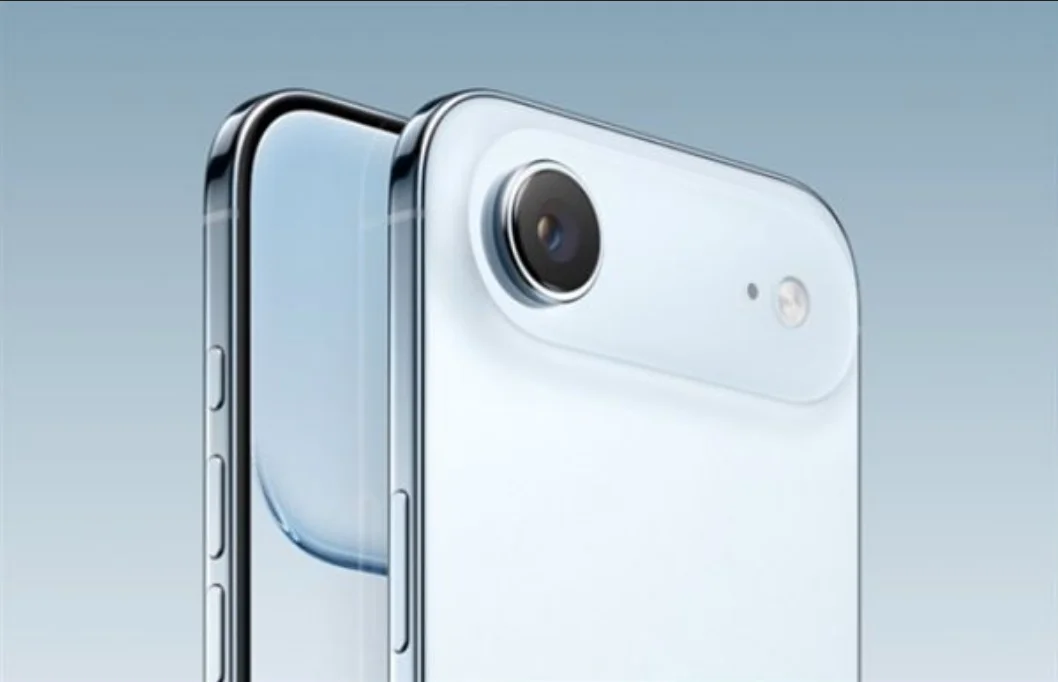
Meanwhile, the competition in China is heating up. Huawei, a dominant force with its Mate 70 series, is entering the fray with the Mate 70 Air. Their slogan, “Not just thin,” promises more than just aesthetics. Leaked information points to a 6.9-inch display with 1.5K resolution, a four-sided curved screen, a thickness of around 6.x mm (making it the thinnest Mate yet), a Kirin 9020 chip, up to 16GB of RAM, a 50MP XMAGE camera with a large sensor, and 66W charging. Expected to launch in late November, potentially with eSIM and priced between 3,000-4,000 yuan, it aims to appeal to users who value photography and a fluid experience.
Xiaomi’s Cautious Stance and the Importance of Balance
Xiaomi, for its part, is watching closely. Rumors of a Xiaomi 17 Air, featuring a 200MP main camera, a 6.6-inch display with large R-edges, eSIM, and an “integrated cold carving” process, surfaced on October 23rd. However, Lu’s words cast a shadow of doubt over whether Xiaomi will indeed release an “Air” model. He reiterates, “It’s a very niche market,” emphasizing user retention over initial sales. It’s worth remembering that the Xiaomi 17 series, launched in September, has already surpassed one million units sold, with the Pro Max model accounting for 50% of those sales – a clear success in the 6,000+ yuan segment. Lu also clarified that the number “7” in product names, like SU7 and YU7, is a lucky number for Xiaomi, not a jab at Apple.
The Verdict: Form Needs Function
Lu’s assessment resonates in a market where ultra-thin devices promise elegance but often deliver compromises. The iPhone Air activated only 6% of its expected pre-orders, impacting Apple’s stock by -2.7%. Huawei might differentiate itself by focusing on “more than just thinness,” integrating AI and the HarmonyOS ecosystem, while Xiaomi continues to bet on proven versatility. At xiaomiforall.com, we see this as a valuable lesson: true innovation must strike a balance between form and function. Will the “Air” phones survive? Only time – and long-term user retention – will tell. What are your thoughts? Share them in the comments below!