Xiaomi Auto: 1.2M EVs by 2026, Challenging Tesla
Xiaomi Auto’s Bold Gambit: 1.2 Million EVs by 2026 and the Race Against Titans
Xiaomi, a name synonymous with slick smartphones and smart home gadgets, is making an audacious leap into the automotive world. Forget slow and steady; Xiaomi Auto is playing the long game with sky-high ambitions, setting targets that are making even established EV giants like Tesla and BYD sit up and take notice. Projections from analysts, like those at Goldman Sachs, suggest Xiaomi could be rolling out around 655,000 units in 2026. When you add in what they’ll have already delivered since 2024, that puts their cumulative total well over the 1.2 million mark by the end of that year. This isn’t just about dipping a toe in; it’s a full-blown invasion of the electric vehicle (EV) sector, signaling Xiaomi’s serious intent to lead the charge towards sustainable mobility.
From Smartphones to Sedans: Xiaomi’s Automotive Awakening
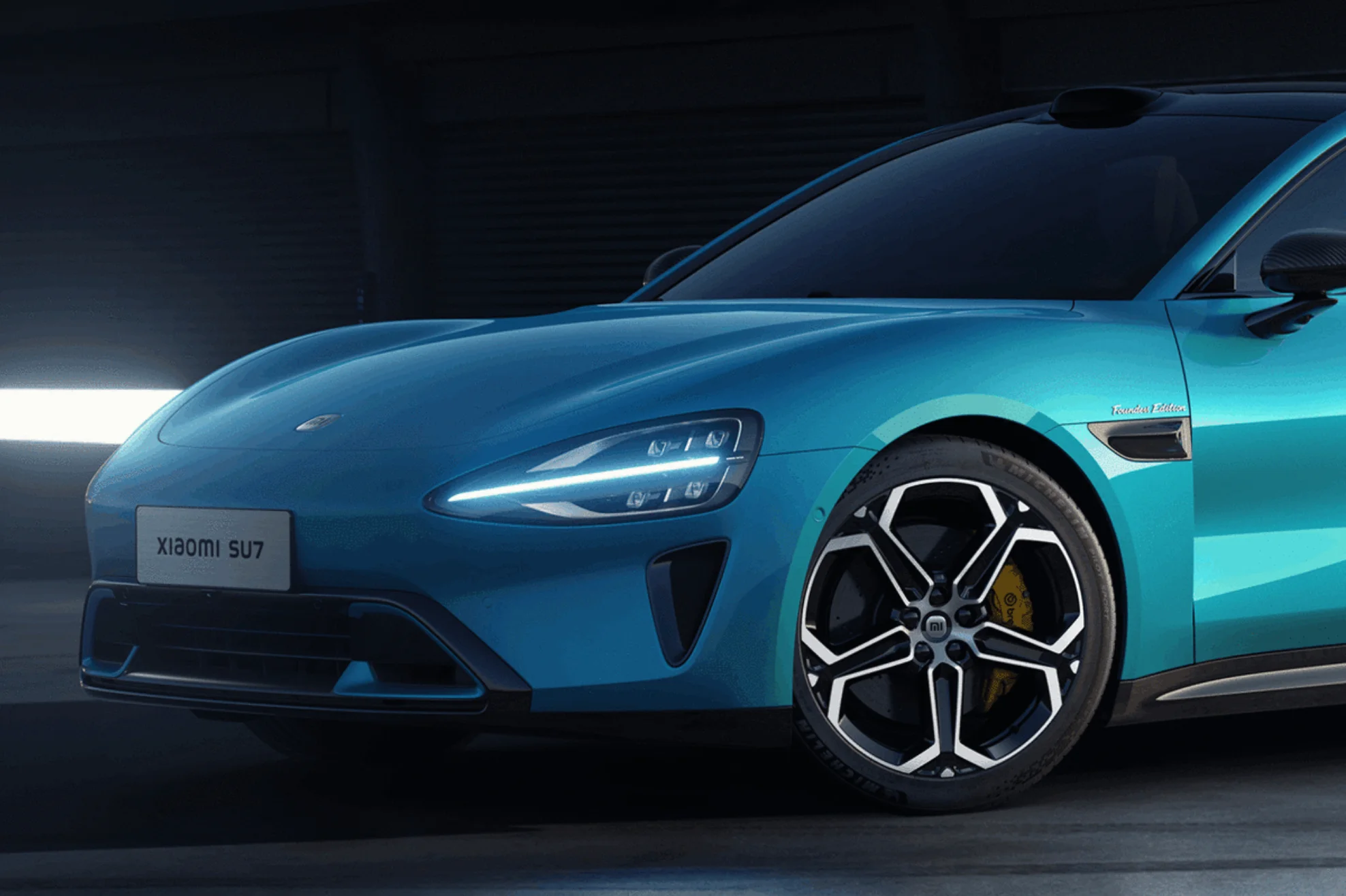
It’s hard to believe that just a few years ago, Xiaomi was solely known for its tech gadgets. But in 2021, they announced their massive commitment to the EV market, pouring billions into R&D. The world got its first proper look at their automotive prowess in March 2024 with the unveiling of the Xiaomi SU7. This electric sedan isn’t just another EV; it’s a head-turner, with design cues hinting at the sleek Porsche Taycan and performance specs that are seriously impressive.
The reception has been nothing short of phenomenal. By September 2025, Xiaomi EV had already delivered over 266,000 units for the year alone, smashing monthly delivery records repeatedly. In fact, September saw them ship a staggering 41,948 vehicles! Overall, they’ve already surpassed 400,000 cumulative deliveries since they started, showcasing some truly exponential growth.
Setting and Smashing Targets
Xiaomi’s journey in the auto industry has been a masterclass in adaptability and ambition. Their initial 2025 target was a respectable 100,000 units. However, the demand for their vehicles has been so overwhelmingly positive that this goal has been dramatically revised upwards to a massive 350,000 vehicles. This aggressive ramp-up is directly linked to expanding their production capacity. They’re running double shifts at their first factory and have even acquired land for new facilities on the outskirts of Beijing.
The Wheels on the Road: SU7 and the Upcoming YU7
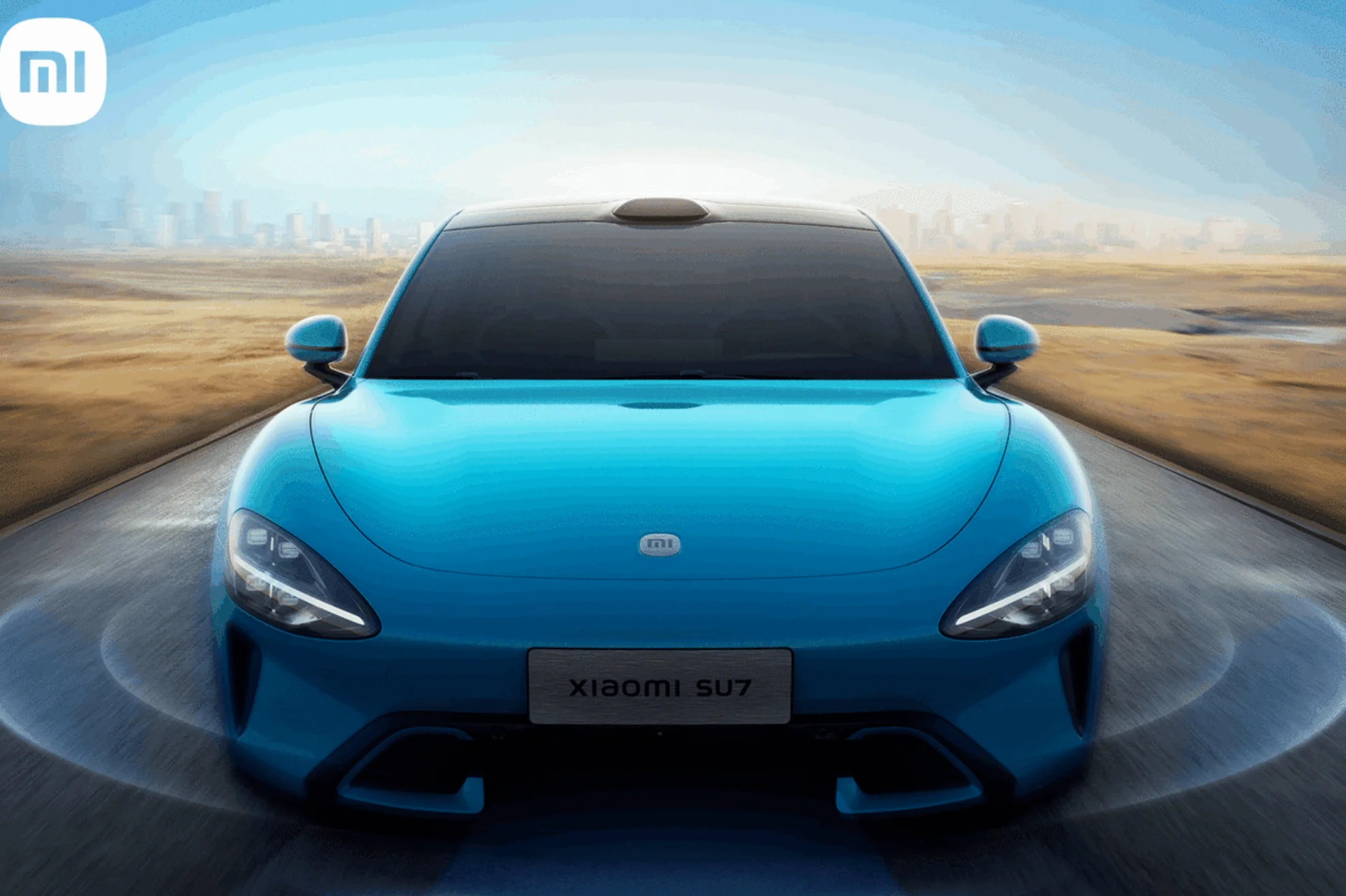
The Xiaomi SU7 has been the undisputed star of the show so far. This electric sedan boasts impressive figures: ranges of up to 800 km on a single charge, a thrilling 0-100 km/h sprint in under 3 seconds, and all this packed into a vehicle starting at a very competitive price point of around $30,000. But Xiaomi isn’t resting on its laurels.
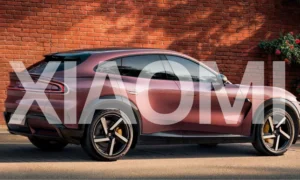
In 2025, they dropped the YU7, an all-electric SUV that’s already breaking records. We’re talking over 300,000 orders in its first few weeks of availability! This SUV, with some variants packing a whopping 1,200 HP and featuring a massive carbon fiber wing on its GT version, is going head-to-head with the likes of the Tesla Model Y. Its introduction has propelled monthly sales past the 40,000-unit mark, as seen in October 2025.
What’s Next? More Models on the Horizon
Looking ahead to 2026, whispers from suppliers like Bosch suggest plans for three brand-new models to be launched between 2025 and 2026. These are expected to include a mix of premium and more budget-friendly options, broadening Xiaomi’s appeal. With a potential third factory capable of churning out 150,000 vehicles annually, their total production capacity could climb to an impressive 450,000-500,000 units per year.
Navigating the Roadblocks: Competition and Global Dreams
Of course, it’s not all smooth sailing for Xiaomi Auto. The Chinese EV market is incredibly fierce, with intense price wars impacting profit margins. To sweeten the deal and encourage early sales, Xiaomi is even offering purchase tax subsidies for 2026 models.
Despite these challenges, analysts like Bloomberg Intelligence predict that Xiaomi could actually overtake Tesla in Chinese sales by 2026 – but only if they can keep up the demand and scale their production effectively.
On the international stage, Xiaomi has its sights set on global sales starting from 2027. However, they’ll need to navigate hurdles like European tariffs. Analysts at CGS International believe the EV business could start turning a profit for Xiaomi by 2026.
The Future is Electric, and Xiaomi is Driving It
Xiaomi’s approach to the automotive business has been nothing short of a “speedrun.” They’re leveraging their existing tech ecosystem, integrating everything from fast-charging batteries to seamless connectivity with their IoT devices. This unique integration is a key differentiator. If they manage to hit that 1.2 million cumulative vehicle mark by 2026, they won’t just be a major player in China; they’ll have a genuine shot at reshaping the global EV landscape.
So, the gauntlet has been thrown down. Xiaomi Auto has gone from a tech newcomer to a serious automotive contender in less than three years. With continuous innovation and incredibly ambitious goals, they’re poised to shake up the electric mobility scene. Can they pull off this incredible feat and exceed all expectations? Only time will tell, but the numbers we’re seeing suggest a truly electrifying future ahead.