Xiaomi HyperOS 3.1: 35 Devices Left Behind?
Xiaomi HyperOS 3.1: The Update Leaving 35 Beloved Devices Behind (And Why It’s Not the End of the World)
Hey Xiaomi fans! Get ready for a major shift in the Xiaomi universe. January 2026 is bringing the accelerated rollout of Xiaomi HyperOS 3.1, our exciting new personalization layer built atop Android 16. This isn’t just another update; it’s packed with groundbreaking on-device AI enhancements, smoother multitasking, live updates, and “AI-Native” integration designed to truly leverage modern Neural Processing Units (NPUs). We’ve previously touched upon how HyperOS 3.1: Xiaomi’s Leap Towards Faster, Smarter Devices aims to transform your experience. However, there’s a catch: around 35 popular Xiaomi, Redmi, and POCO models won’t be making the jump.
What’s So Special About Xiaomi HyperOS 3.1?
This isn’t just a fresh coat of paint. Xiaomi HyperOS 3.1 is engineered to be smarter, faster, and more intuitive. Imagine your phone predicting your needs with advanced on-device AI, effortlessly handling multiple demanding apps at once, and enjoying incredibly fluid “Live Updates” that keep your information current without a hitch. This “AI-Native” approach means the operating system is built from the ground up to utilize specialized NPU hardware, promising a level of intelligence and efficiency we’ve only dreamed of. It’s a massive leap forward for mobile technology and how we interact with our devices.

Why Some Beloved Xiaomi Devices Miss Out on HyperOS 3.1
So, why the exclusions? According to reliable sources like MundoXiaomi and XiaomiTime, HyperOS 3.1 comes with strict hardware demands. It specifically requires processors with advanced support for Android 16 and drivers compatible with its brand-new AI features. This means even powerful chips like the Snapdragon 870 or 8+ Gen 1, which still offer excellent performance today, simply don’t meet the technical criteria for this next-gen AI integration.
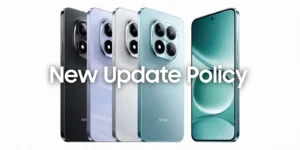
Xiaomi is clearly playing the long game here. They’re prioritizing future-proofing and ensuring a stellar, stable experience on devices fully equipped for on-device AI. This strategy aims to prevent performance issues or instability on older hardware, especially for flagship and mid-range devices from 2022-2023. It’s a tough call, but one that ensures a high-quality user experience for newer hardware, marking a significant piece of news for the brand.
The List: Devices Not Receiving Xiaomi HyperOS 3.1
Here are the confirmed models that won’t be getting the HyperOS 3.1 update:
- Xiaomi:
- Xiaomi 12 Series (12, 12 Pro, 12S, 12S Pro, 12S Ultra, 12T Pro)
- MIX Fold 2
- Pad 6 Max 14
- Civi 2, Civi 3
- 13 Lite
- POCO:
- F5 5G, F5 Pro
- M6 Pro
- X6 Neo
- C65
- Redmi:
- K60, K60 Pro
- K50 Ultra
- Note 12 Turbo, Note 12T Pro
- Note 13 5G, Note 13R Pro
- Additional Variants (remaining on HyperOS 2):
- Redmi Note 13 4G (and NFC)
- Xiaomi 12T
- Redmi Note 12 (4G/NFC/ S / R)
- Redmi 12 (and 5G)
- Redmi 13C (and 5G)
- Redmi 13R
In total, 35 Xiaomi devices will remain on HyperOS 2 (or its stable equivalent).
No Need to Panic: What “Excluded” Really Means
If your device is on this list, take a deep breath! This isn’t a death sentence for your phone. Xiaomi has committed to providing monthly security patches for the remainder of these devices’ support cycles (typically 3-4 years from launch). They’ll also continue to receive full Google Play Services updates. In practical terms, most users will still enjoy a secure and fully functional system for at least another 1-2 years. It shows that even with new tech, companies still care about the longevity of their smartphones. For those seeking great value, remember that The Untold Truth: Why 4G is the 4G Best Deal 2026 for Your Next Smartphone! still holds true for many users.
Who Gets to Enjoy Xiaomi HyperOS 3.1?
So, which devices are hitting the jackpot with Xiaomi HyperOS 3.1? The first to get stable and global beta versions will be the latest flagships. Think the Xiaomi 15 and 15 Ultra, the entire Xiaomi 14 series, the upcoming Xiaomi 17, MIX Flip, Pad Mini, and the POCO F7 family. These powerhouses are equipped with cutting-edge processors like the Snapdragon 8 Gen 3/Elite or their equivalents, perfectly designed to unlock Android 16’s full AI capabilities. Devices like the anticipated Redmi Turbo 5 Max: The 2026 Mid-Range King is Here to DOMINATE! are likely to be among the ones that benefit from these advancements.
Is This The End? Our Take on HyperOS 3.1’s Impact
If your current device isn’t making the leap to HyperOS 3.1, there’s genuinely no need to worry about immediate obsolescence. HyperOS 2 remains a robust, well-optimized ROM that delivers excellent performance on these phones. Xiaomi is simply making a strategic choice, prioritizing quality and cutting-edge features for its newest hardware as it moves towards a more intelligent, AI-centric ecosystem. For those who absolutely crave the latest AI functions and the most refined experience, 2026 might just be the perfect time to consider upgrading to one of the latest high-end models.
In essence, Xiaomi HyperOS 3.1 marks the dawn of an exciting new era for Xiaomi, emphasizing a bold stride into an AI-native future. While not every device will join this specific journey, your current phone remains secure and highly functional for a good while longer. To learn more about our operating system, head over to our main HyperOS category page!




2 thoughts on “Xiaomi HyperOS 3.1: 35 Devices Left Behind?”