Xiaomi is About to DESTROY Apple in 2026 with Wide Fold
Xiaomi Wide Fold. # ¡Xiaomi is About to DESTROY Apple in 2026! The Wide Fold with its Own Chip and Fold OS Will Change EVERYTHING (Explosive Leak)
Get ready, folks! In the ever-evolving world of smartphones, especially the hot-ticket foldable category currently dominated by giants like Samsung, Huawei, and Honor, a new contender is gearing up for a knockout blow. A recent leak, surfacing on January 14, 2026, from the respected Chinese tech publication IT之家, points to Xiaomi planning a game-changer for September of that year: a revolutionary wide-format foldable phone. This isn’t just any rumor; it’s a high-fidelity intel drop from the renowned leaker @数码闲聊站 (Digital Chat Station), who describes this device as an absolute “王炸” – the ultimate game-changer, a true atomic bomb in the market. This move signifies Xiaomi’s most ambitious play yet in the premium foldable segment, packed with innovations aimed squarely at taking on the highly anticipated first foldable from Apple.
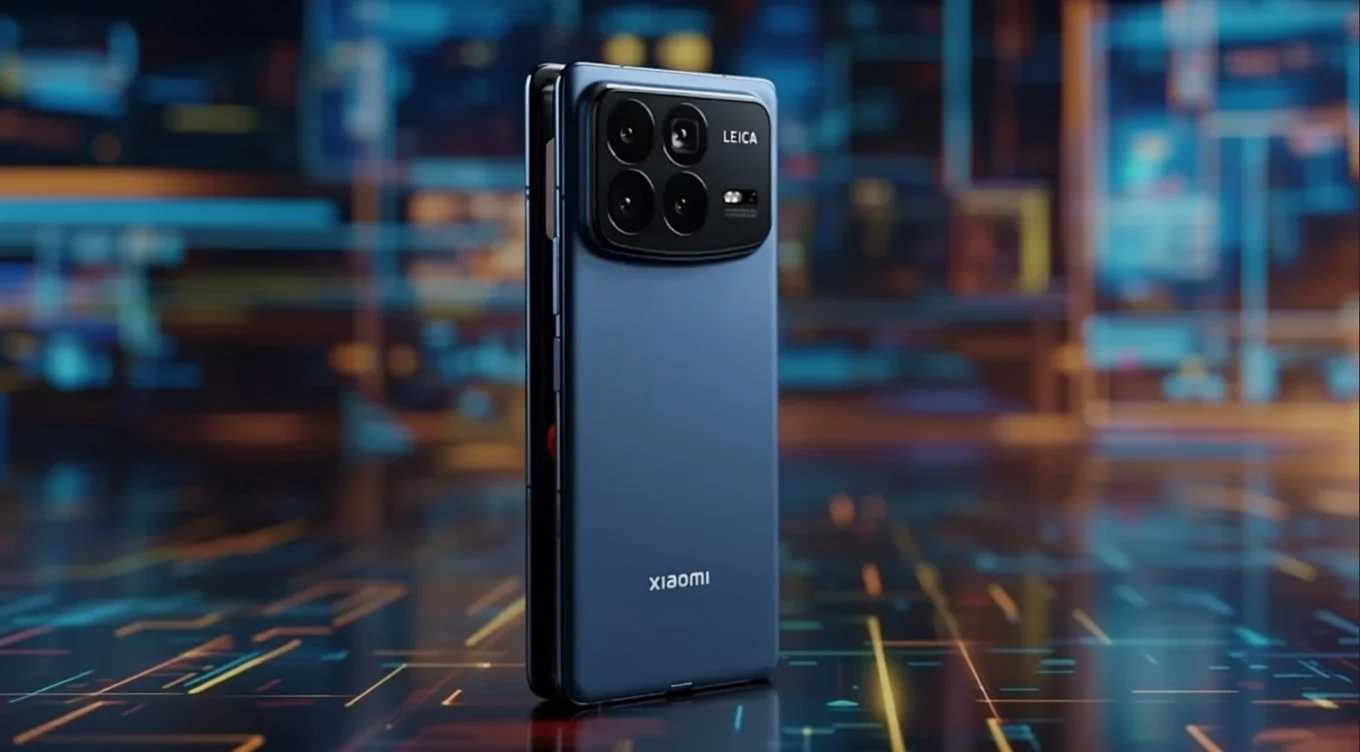
Unveiling the Wide Fold: Xiaomi’s Bold New Vision
This isn’t just another foldable; Xiaomi’s upcoming wide-fold device is rumored to pack several game-changing features that set it apart from anything we’ve seen on the market. The focus is on a fundamentally different approach to proportions and the folding mechanism itself, aiming for a true tablet experience when unfolded without sacrificing the portability of a regular smartphone.
Innovative Display Design
The goal here is to deliver a genuine tablet-like experience when the device is fully opened. This means internal displays that are likely to be more square and expansive, potentially in the 7.8 to 8-inch range. This larger, squarer aspect ratio is perfect for multitasking, getting work done, and enjoying media content without feeling cramped.
Next-Generation In-House Processor
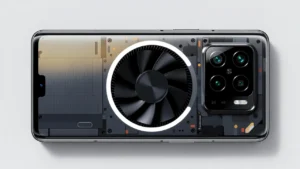
This is perhaps the most monumental aspect of the leak. Xiaomi is reportedly developing its own Application Processor (AP), specifically optimized for foldables. While most Android manufacturers rely on Qualcomm’s Snapdragon or MediaTek chips, a proprietary SoC would give Xiaomi unparalleled control over performance, power efficiency, and crucial foldable-specific features. Think advanced dual-screen management, superior thermal dissipation for intensive tasks, and optimized power consumption during heavy multitasking. This level of vertical integration is a massive strategic advantage.
A Dedicated OS: Fold OS
It’s not just about a new piece of hardware; Xiaomi is also rumored to be developing a new operating system, provisionally named Fold OS. This isn’t just a tweaked version of HyperOS; it’s designed from the ground up to harness the full potential of foldable screens. We can expect entirely new interface mechanics, intuitive gestures, extreme multitasking optimizations, deep AI integration, and “new plays” that could redefine how we interact with Android on larger, folding displays. The leaker emphasizes that this device is expected to inject fresh ideas into the Android ecosystem, something that hasn’t been seen since the early days of Samsung and Huawei’s foldable ventures.
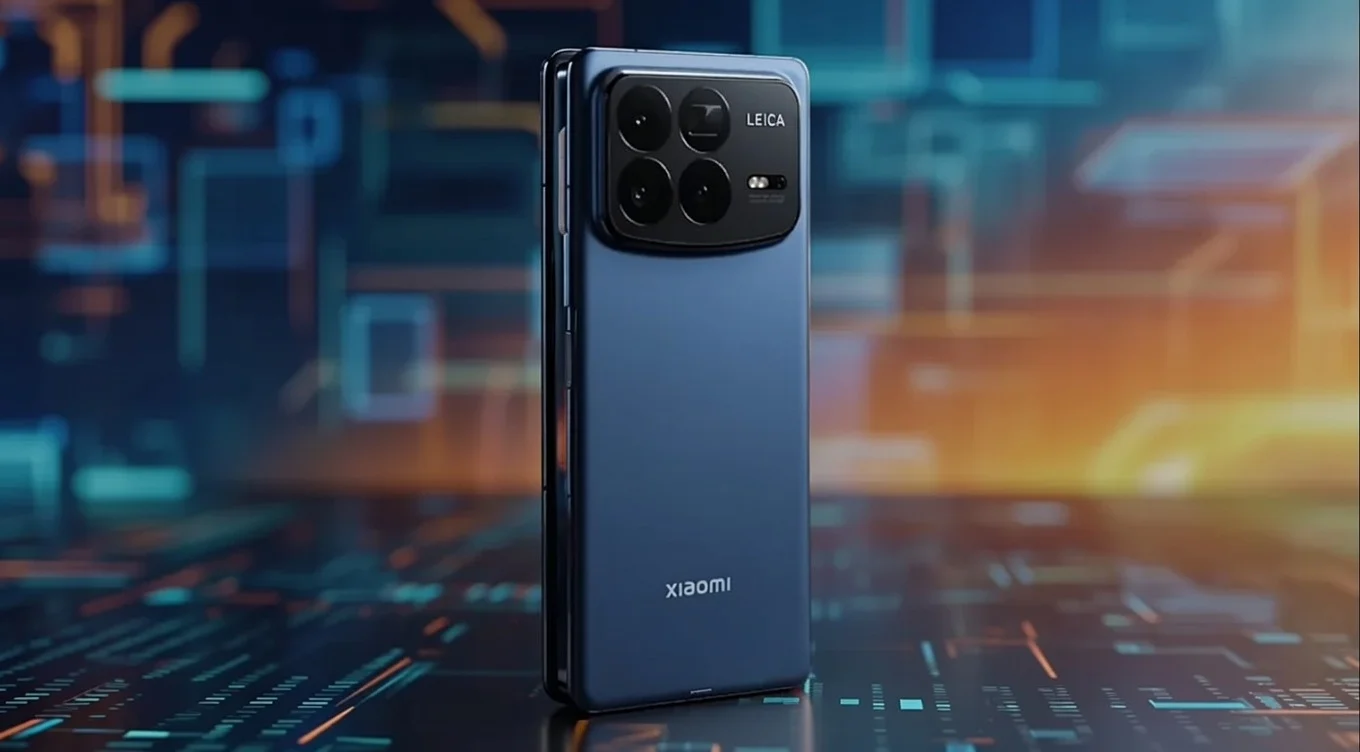
Xiaomi
The 2026 Showdown: Xiaomi vs. Apple in the Foldable Arena
This leak places Xiaomi’s ambitious foldable launch in September 2026, a strategically crucial moment. Why? Because Apple is widely rumored to be entering the foldable market around the same time. Multiple reliable sources, including industry analysts like Ming-Chi Kuo and Ross Young, as well as reports from Bloomberg and MacRumors, suggest Apple plans to unveil its first foldable iPhone, or perhaps an iPhone/iPad hybrid, in the second quarter of 2026, with a possible acceleration towards September.
Apple’s Anticipated Foldable Entry
While details are still speculative, the rumored specifications for Apple’s first foldable include:
- Internal Display: Approximately 7.58 to 7.8 inches.
- External Display: Around 5.25 to 5.5 inches.
- Estimated Price: High-end, potentially around 15,000 yuan (roughly $2,100-$2,500 internationally).
Apple is expected to focus on a seamless design with a minimal or invisible crease, premium materials, and deep iOS integration. However, by entering in 2026, they would be stepping into a category that has already matured significantly thanks to early adopters.
The Chinese Market Response
In this landscape, it’s anticipated that only two leading Chinese manufacturers will be mass-producing wide-format foldables in 2026. Xiaomi is poised to be one of them with its September launch. The other major Chinese competitor is also reportedly targeting the third quarter (Q3), setting up a direct confrontation with Apple’s debut. Other Chinese brands are expected to hold back until 2027 to enter this specific “wide fold” format.
This timing is no accident. 2026 could very well be the year that wide-format foldables (the book-style devices with large, square screens) transition from a niche premium segment to a mainstream battleground contested by tech giants.
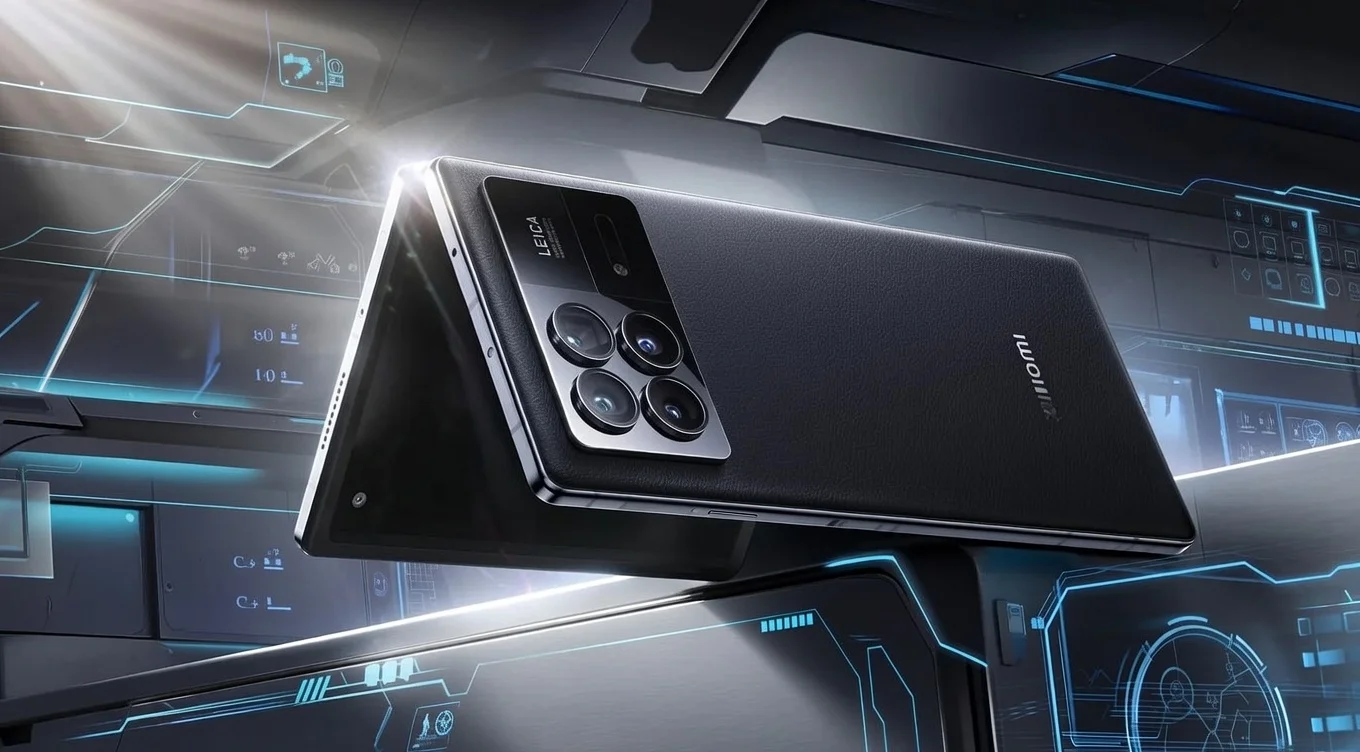
Xiaomi Wide Fold
Why This Foldable Could Be Xiaomi’s Most Important Yet
Xiaomi isn’t just aiming to offer better hardware; they’re aiming for complete vertical integration: their own chip, a tailor-made operating system, and an innovative design. This strategy mirrors the success Apple has achieved for decades with its A-series chips, iOS, and meticulously crafted hardware. If Xiaomi can execute this vision effectively, they could deliver a user experience that is more coherent, efficient, and distinct than competitors who rely heavily on external component suppliers.
Furthermore, the company’s trajectory in 2026 lends credibility to these rumors. Xiaomi has already demonstrated a significant commitment to R&D, with advancements in its own chip development (like the previously announced 3nm XRING O1) and clear declarations from CEO Lei Jun about achieving a “great convergence” in 2026. This convergence involves proprietary chips, their own OS, and integrated AI all within a single device. This focus on internal development is a key driver for potential differentiation in the competitive Smart Phone market.
A Strategic Leap in Mobile Technology
This ambitious project by Xiaomi is more than just a new device; it’s a statement of intent. By investing in their own silicon and software, they’re charting a course similar to Apple’s, aiming for a tightly integrated ecosystem that can deliver unique advantages. This aligns with broader trends in the Technology industry, where companies are seeking greater control over their product’s performance and user experience. The development of Fold OS, specifically for foldable form factors, could set a new standard for multitasking and productivity on Android devices, potentially outshining current implementations. This move could also be seen as a response to the ongoing evolution of Android itself, with Android versions becoming increasingly adaptable to diverse screen sizes and form factors.
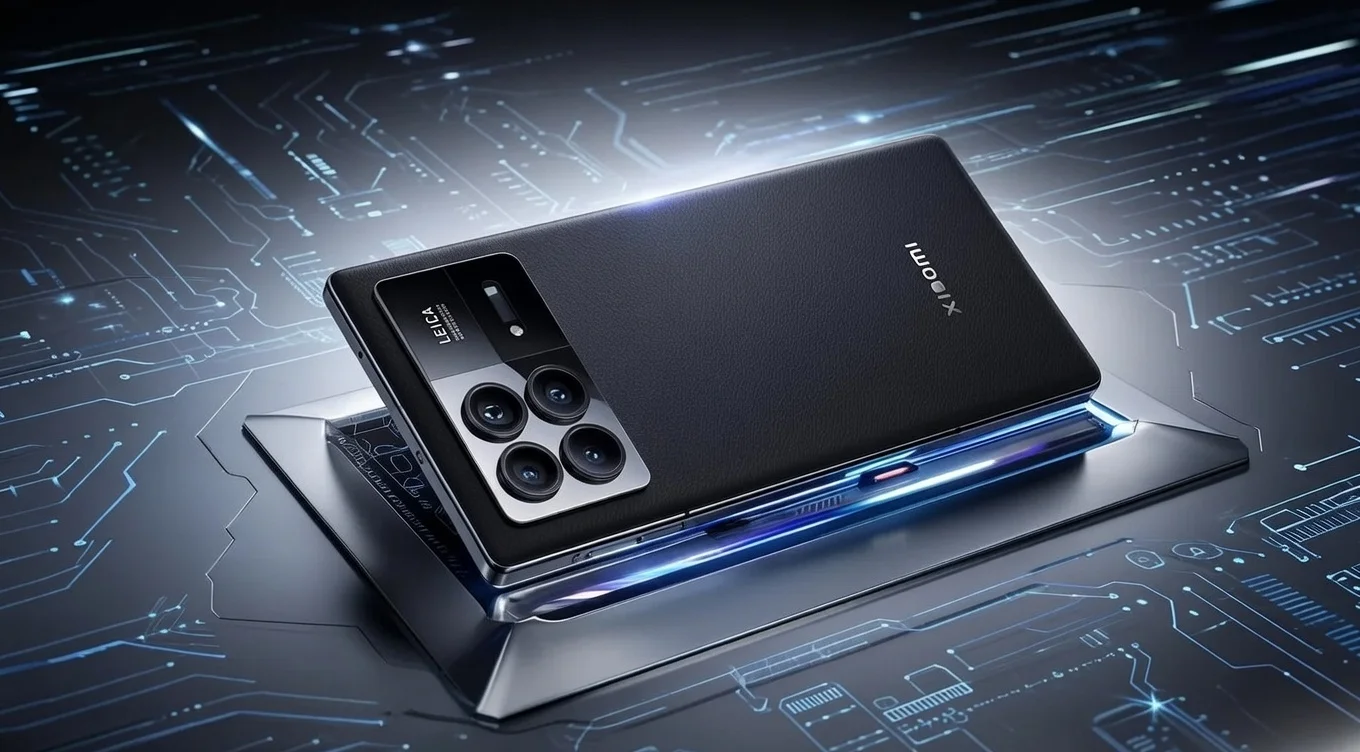
Apple
Conclusion: The Dawn of a New Foldable Era?
While it’s crucial to remember that these are still rumors, and plans can shift due to production challenges, performance tuning, or strategic pivots, the source of this leak is highly reliable, and the timing aligns perfectly with Xiaomi’s publicly stated ambitions. September 2026 could indeed mark a pivotal moment: a Xiaomi wide-fold foldable, powered by its own chip and running a bespoke OS, attempting to steal the spotlight from Apple’s long-awaited foldable debut.
The foldable market is on the verge of a major explosion. Samsung continues to innovate with its Z Fold series, Honor and Oppo are pushing the boundaries of thinness and durability, and Huawei maintains a strong presence in China. However, Xiaomi might just arrive with the most disruptive combination: competitive pricing, deep vertical integration, and global ambition.
Will Xiaomi deliver this “王炸” and fundamentally alter the foldable landscape? Only time, and of course, more leaks, will tell. One thing is certain: 2026 is shaping up to be one of the most electrifying years in the history of foldable smartphones. This potential move could redefine what users expect from their mobile devices, especially in the premium segment, potentially impacting the trajectory of devices like the rumored Xiaomi 17 Series: Redefining Premium in 2026 with Radical Innovations.
We’ve also seen hints of ambitious projects like the Xiaomi 17 Pro Magic Screen: Stocks & More with HyperOS 3, suggesting a broad push towards advanced tech.