Xiaomi Smartphone Market Position: Beyond Cheap Phones in 2025
Xiaomi smartphone market position. # Beyond Bargains: Unpacking Xiaomi’s Smartphone Market Position in 2025
Remember when Xiaomi was synonymous with “budget-friendly” and “value for money”? Well, fast forward to 2025, and the conversation has fundamentally changed. Xiaomi’s smartphone market position has undergone a monumental shift, evolving from a regional underdog to a global tech powerhouse challenging the biggest names. If you thought they were still just about cheap phones, prepare to have your mind blown. Let’s dive deep into how Xiaomi has transformed and what its standing truly is in today’s cutthroat smartphone landscape.
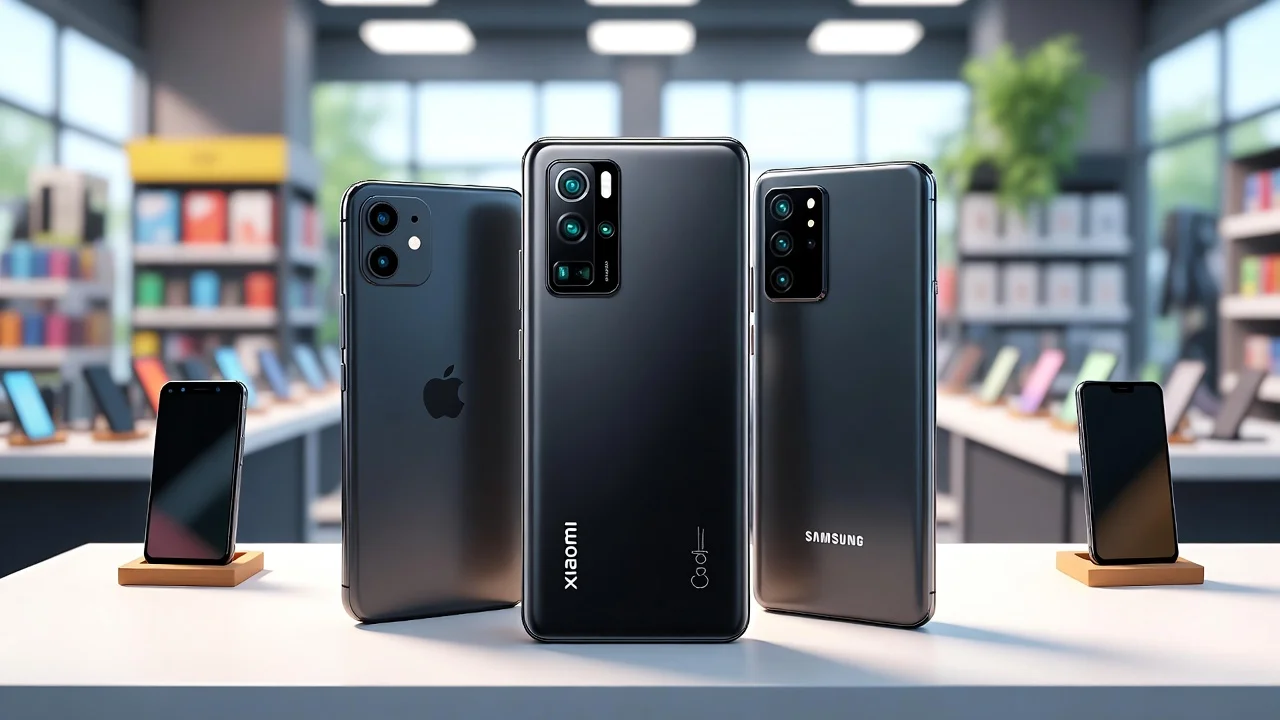
Xiaomi’s Remarkable Journey: From Niche to Global Powerhouse
Founded in 2010, Xiaomi quickly made a name for itself by offering incredibly well-specced devices at prices that seemed too good to be true, primarily capturing hearts in China and India. But that was then. Today, Xiaomi isn’t just a strong contender; it’s a fixture in the global smartphone arena. According to big names like IDC, Counterpoint Research, and Canalys, Xiaomi consistently holds the third spot in global market share in 2025, capturing around 13-14.5% of worldwide shipments. That’s a huge slice of the pie, right behind industry titans Samsung (19-20%) and Apple (15-18%). This consistent growth has cemented their position as the world’s third-largest manufacturer.
The overall global smartphone market in 2025 has seen a moderate recovery, with shipments nudging up by 1-3% year-on-year, hitting roughly 1.25 billion units. What’s driving this resurgence? Think generative AI integration, the exciting rise of foldables, and booming demand in emerging markets. Samsung leads with its incredibly diverse portfolio, from the wallet-friendly A-series to the premium S and Z Foldables. Apple, on the other hand, dominates the high-end with superior revenue, even if their shipment volumes are smaller. Xiaomi, in a brilliant move, is shining by finding that sweet spot between high volume and premium aspirations, defining its current Xiaomi smartphone market position.
Is Xiaomi Still Just a ‘Cheap Phone’ Manufacturer?
Smartphone
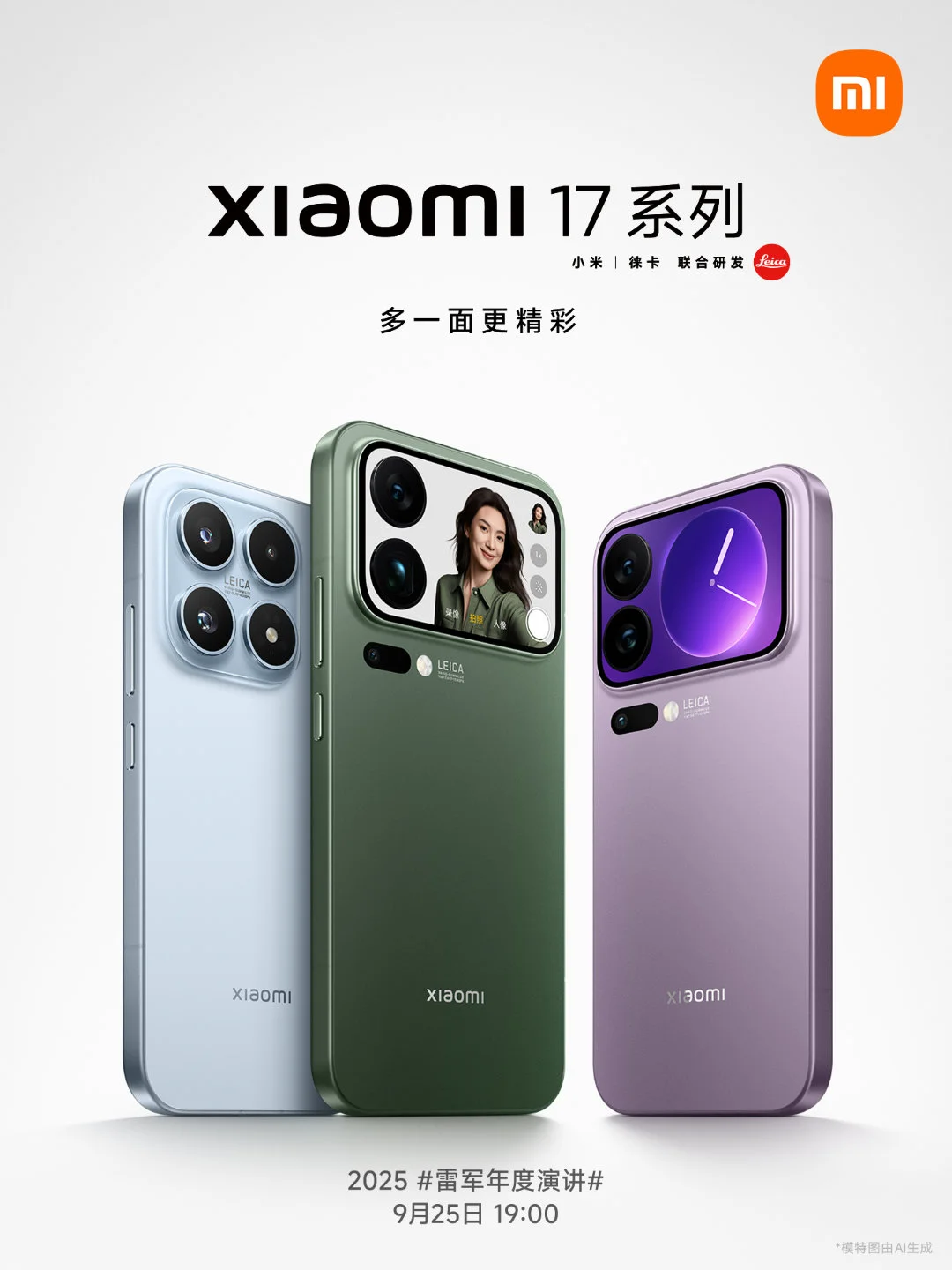
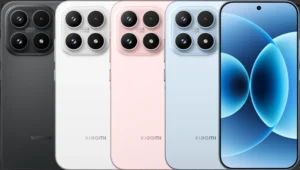
No, and honestly, it’s time to retire that label. While a huge chunk of Xiaomi’s volume still comes from its incredibly affordable devices (shoutout to sub-brands like Redmi and POCO), the company has aggressively pushed into the premium segment since 2021. We’re talking about devices like the Xiaomi Ultra series – think the Xiaomi 15 Ultra and the recent Xiaomi 17 Ultra. These aren’t just good phones; they’re direct competitors to the iPhone Pro Max and Galaxy S Ultra.
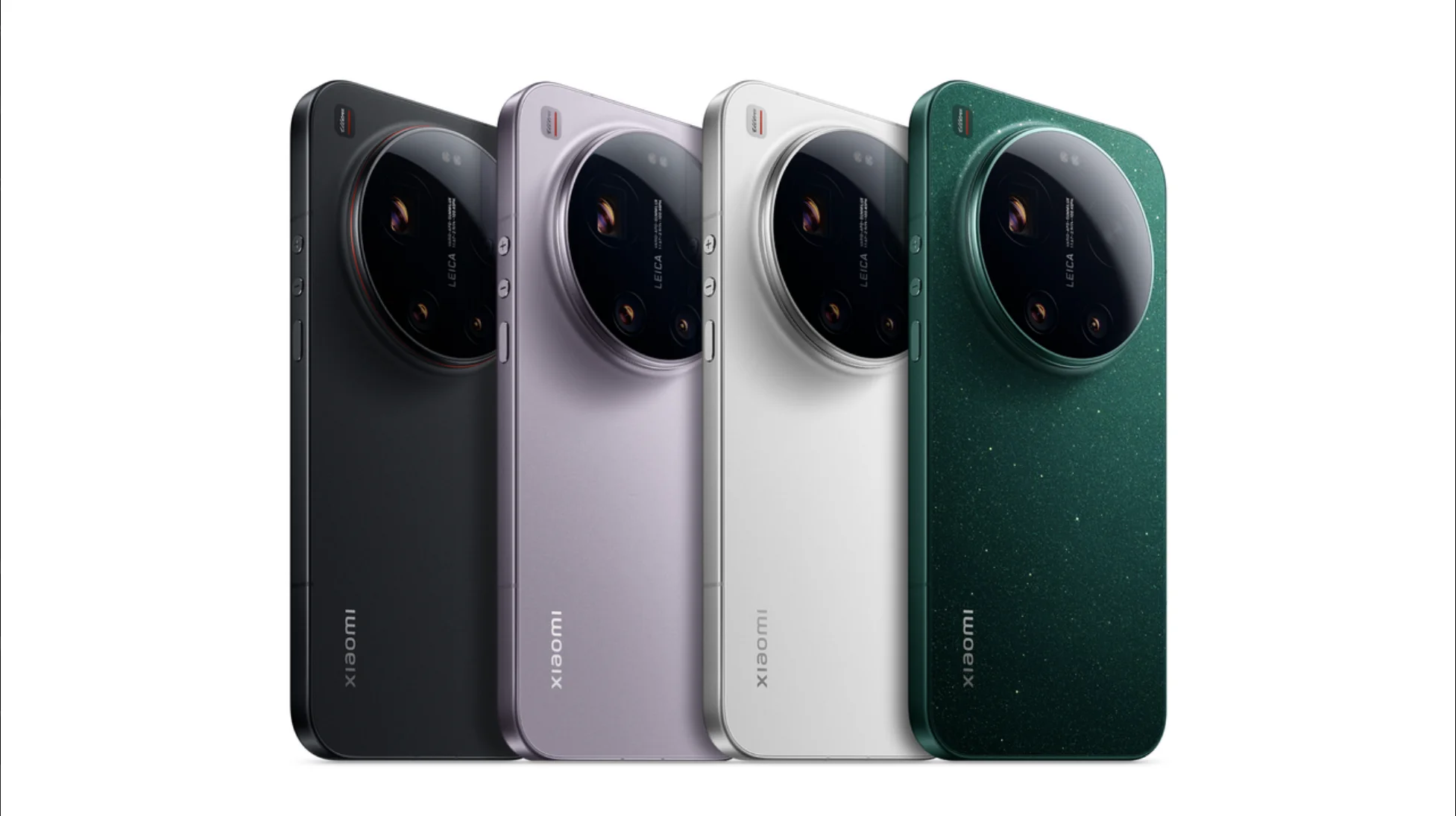
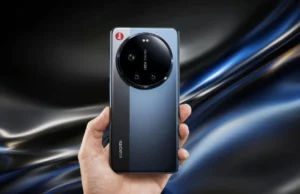
What do these flagships offer? We’re talking high-end Leica cameras (often featuring massive 1-inch sensors, as seen in the Xiaomi 17 Ultra Leica Zoom Ring), cutting-edge Snapdragon Elite processors, colossal batteries (up to 6800-7000 mAh), and blazing-fast 120W ultra-fast charging. These premium beasts easily top €900-€1000 in global markets, solidly positioning Xiaomi as a “premium accessible” brand. They offer flagship specs at a price point that often undercuts the competition by a significant margin. If you’re hunting for one of the best Xiaomi phones 2026, you’ll find plenty of premium options.
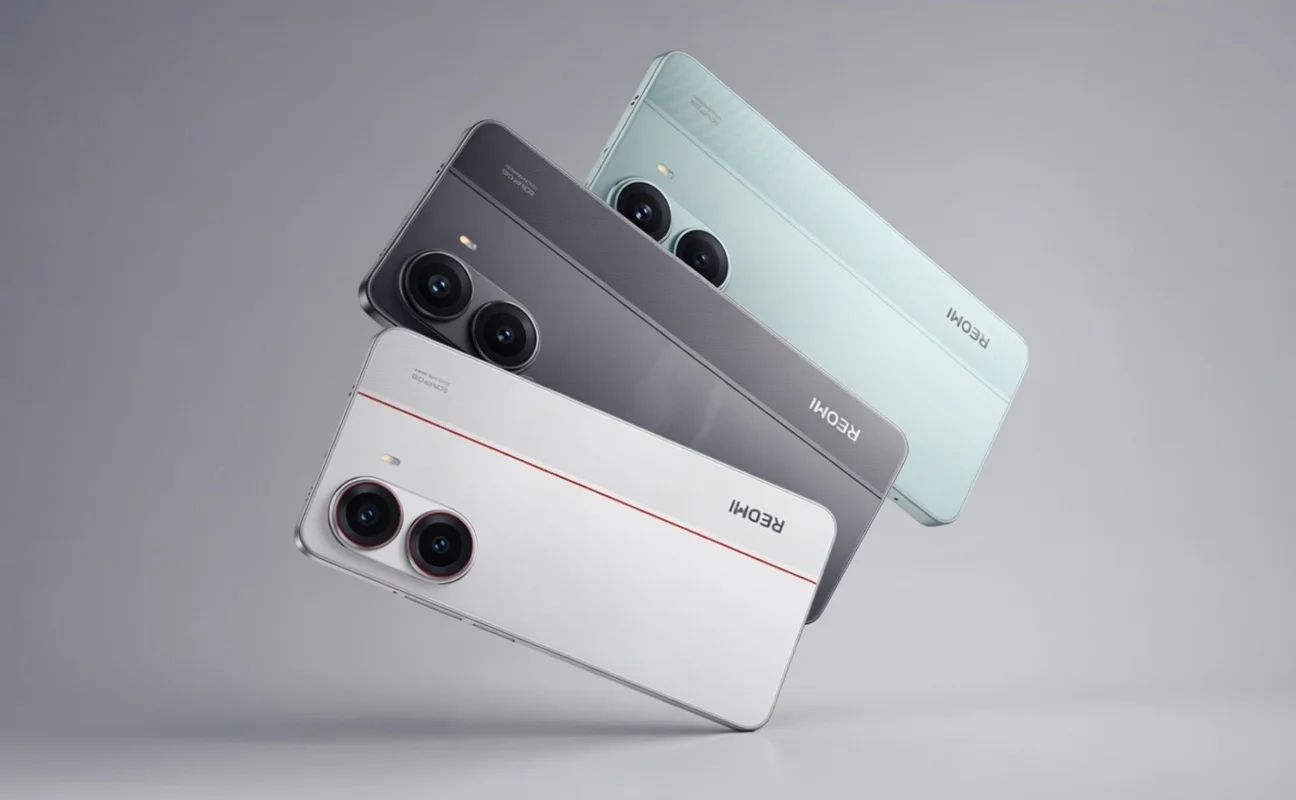
However, the “cheap phone” stereotype is a sticky one, largely because Redmi continues to dominate the low and mid-range segments. Models like the Redmi Note 14 or Redmi 14C are sales leaders in critical emerging markets like India, Latin America, and Africa. In 2025, Xiaomi cleverly sticks to its “iron triangle” strategy: low-margin hardware, a growing IoT ecosystem, and high-margin digital services. This genius approach allows them to offer competitive prices without skimping on innovation. So, to sum it up, Xiaomi is a hybrid: a king of value-for-money, but increasingly a serious premium player, altering perceptions of its Xiaomi smartphone market position.
The Power of Xiaomi’s Ecosystem
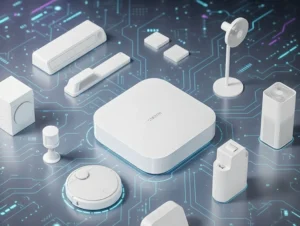
It’s not just about the phones anymore. Xiaomi’s comprehensive ecosystem, from smart home devices to wearables, plays a crucial role. This interconnected web of products, all running on a harmonious platform (now HyperOS), enhances user loyalty and provides additional revenue streams. It’s a key part of their broader technology strategy.
Who Does Xiaomi Really Compete Against?
Xiaomi smartphone market position
Xiaomi doesn’t have a single rival; its strategy is highly segmented.
- In the Premium Segment: This is where they go head-to-head with Apple and Samsung. The Xiaomi 17 Ultra, with its professional-grade photography focus and advanced sensors, directly challenges the iPhone 17 Pro Max and Galaxy S25 Ultra. It often boasts superior specs in charging (hello, fast charging!) and battery life, often at prices 20-40% lower.
- In the Mid and Low Range: Here, Xiaomi (through Redmi and POCO) battles Samsung’s A-series, vivo, OPPO, and Transsion brands (Infinix/Tecno). This is where Xiaomi truly shines in volume, dominating emerging markets where price and value are paramount. The Redmi Note 15 Series New Year Edition is a prime example of their success here.
- Globally: Samsung is arguably their main Android rival, having a stronger presence in Western markets and offering longer software update cycles (often 7 years compared to Xiaomi’s 4-5). Apple, of course, reigns supreme in ecosystem loyalty and premium brand appeal.
Interestingly, in regions like Europe and Latin America, Xiaomi has significantly gained ground, even surpassing Apple in shipments in specific quarters, sometimes reaching 20-23% market share. This shows their growing global footprint.
Is Xiaomi Thinking Only for China or Also for the Global Market?
Definitely global! While China remains its home base (with recovery sometimes boosted by subsidies), Xiaomi has been aggressively expanding its reach. They’ve been a leader in India for years and have seen incredible growth in Europe (even outpacing Apple in Q2 2025 in some markets), Latin America, and Africa. In 2025, their global shipments are projected to exceed 170 million units annually, with an ambitious goal of capturing 15% of the worldwide market by 2026.
Their strategic moves clearly indicate this global focus: massive investments in offline retail (over 18,000 stores!), faster global launches for flagship devices like the Xiaomi 17 Ultra (expected early 2026), and certifications for EVs and wearables. Even their Android skin, HyperOS, is being optimized for international markets, aiming to reduce bloatware and offer a cleaner user experience.
Is Xiaomi the King of Android?
Not yet, that crown still belongs to Samsung. Samsung leads the Android market with about 20-25% global share (excluding Apple), thanks to its incredible diversity (from budget to ultra-premium), pioneering innovation in foldables, and strong presence in key markets like the US and Europe. Xiaomi is more like the “prince” of Android: third globally overall, but a solid second in pure Android market share (around 14% compared to Samsung’s 20-22%). Xiaomi dominates Android volume in emerging markets, but Samsung still pulls ahead in premium revenue and software longevity. Their current Xiaomi smartphone market position is powerful, but not quite ‘king’.
Xiaomi vs. iPhone vs. Samsung in 2025: A Snapshot
Here’s a quick look at how the big three stack up in 2025, giving you a clear picture of Xiaomi’s unique value proposition and how its Innovation stacks up.
| Aspect | Xiaomi | Samsung | Apple (iPhone) |
|---|---|---|---|
| Global Market Share | 13-14.5% (3rd) | 19-20% (1st) | 15-18% (2nd) |
| Strengths | Value/price, fast charging, battery, Leica cameras | Portfolio diversity, leading foldables, long updates | Ecosystem, privacy, software optimization |
| Weaknesses | Software bloatware, limited after-sales support in West | High premium prices, less radical innovation | Slow charging, high prices, closed ecosystem |
| Main Segment | Mid-low + growing premium | Full range | Exclusive premium |
| 2025 Innovation | On-device AI, Ultra pro photography | Leading foldables, Galaxy AI | Apple Intelligence, refined design |
| Average Price (ASP) | Low-medium (~$300-400) | Medium-high | High (~$800+) |
Xiaomi truly shines in raw specs and accessibility; Samsung offers unparalleled versatility; and Apple delivers a polished, seamless experience. Each has its own appeal, and Xiaomi’s value proposition is strong for those seeking powerful hardware without the top-tier price tag.
Market Share
What to Expect from Xiaomi in 2026?
2026 promises to be another ambitious year for Xiaomi. We’re eagerly anticipating the global launch of the Xiaomi 17 series (with the Ultra variant likely making a splash at MWC in February, heavily focused on its camera prowess). Expect new Redmi Note 15 models, the powerful Turbo 5, and significant advancements in foldables (think a new Mix Fold successor and possibly even a tri-fold!).
The goal is clear: push further into premium, aiming for 30 million flagship phone shipments annually within the next five years. Alongside this, their expansion into EVs (have you seen the Xiaomi SU7? It’s a game-changer!) and AIoT will continue to grow. Projected growth for Xiaomi’s smartphone division is between 3-5%, further challenging Samsung for Android dominance. The Xiaomi smartphone market position is only set to strengthen.
Conclusion
Xiaomi has undeniably transcended its initial “cheap phones” image to become a serious, multifaceted global contender. It masterfully balances delivering cutting-edge premium innovation with accessible pricing, competing fiercely across all market segments. For consumers who demand exceptional value without compromising on top-tier features and performance, Xiaomi remains an utterly irresistible choice in 2026. Keep an eye on this tech giant; they’re just getting started!


1 thought on “Xiaomi Smartphone Market Position: Beyond Cheap Phones in 2025”