Xiaomi’s Strategic Shift: Why “Air” Phones are Failing
Xiaomi’s strategic adjustments. # The Demise of “Air”: Why Xiaomi and OPPO are Ditching Ultra-Thin Smartphone Projects
In the fast-paced world of smartphones, where design often takes center stage, the recent stumble of the iPhone Air has sent ripples throughout the industry. The iPhone Air, designed for maximum portability, promised an ultra-thin experience. However, its underwhelming sales have prompted major players like Xiaomi and OPPO to reconsider their own ultra-thin smartphone projects. This article explores the reasons behind this shift and what it means for the future of mobile technology, with Xiaomi’s strategic adjustments in focus.
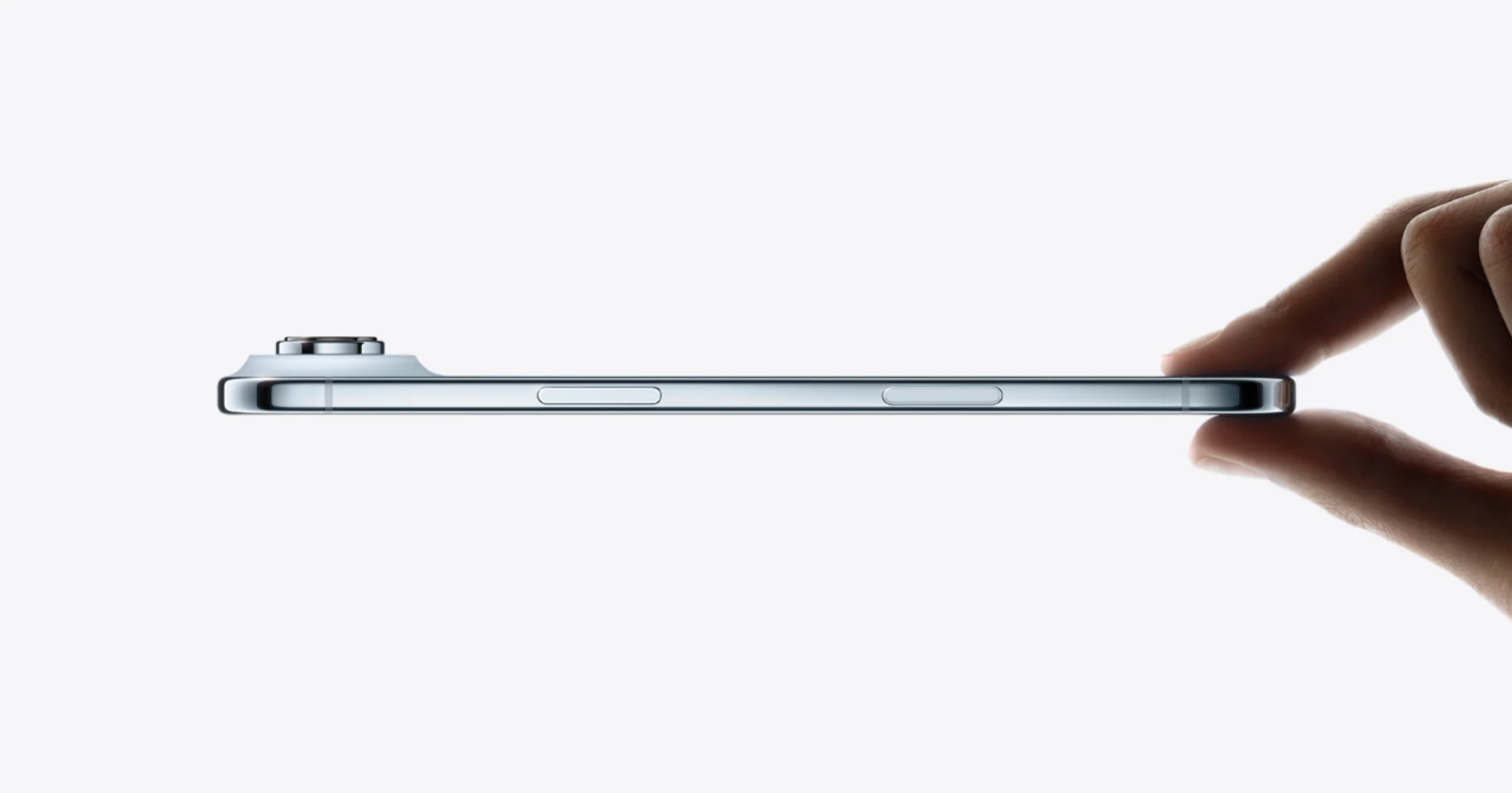
Why the iPhone Air Failed
The iPhone Air aimed for a new pinnacle in sleek design. The model was just 5.6 mm thick and promised a lightweight, minimalist experience, with a titanium chassis, an AI-optimized camera, and all-day battery life. But despite Apple’s investment in specialized supply chains, the reality proved harsh. Demand for the ultra-thin model wasn’t there.
Here’s why:
- Consumer Preference: Surveys showed that most iPhone 17 buyers in the US chose standard or Pro models with better battery life and durability.
- Global Sales Slump: Outside of China, where the Air sold well initially, global sales plummeted, with November orders representing less than 10% of September’s.
- Post-Pandemic Shift: Analysts attribute this to a shift in consumer priorities, with users now seeking versatility and practicality over pure aesthetics.
Samsung’s Galaxy S25 Edge experienced a similar setback, selling only 20% of its projected units.
Xiaomi and OPPO React: A Change of Strategy
The failure of the iPhone Air prompted swift action from Chinese tech giants, Xiaomi and OPPO. Both companies had invested heavily in ultra-thin prototypes:
- Xiaomi 15 Air: Planned to be under 6mm thick, with a partial folding screen and a Snapdragon 8 Gen 4 processor.
- OPPO Find X9 Air: Designed to include advanced eSIM technology and a vapor cooling system for intensive gaming.
Faced with Apple’s misstep, both Xiaomi and OPPO have halted or redirected their “Air” projects. As an unnamed executive told Digitimes, the focus shifted to a safer approach: “Better safe than sorry.”
Key Reasons for the Shift
The caution shown by Xiaomi and OPPO stems from several factors:
- Cost: Manufacturing ultra-thin phones increases costs by 15-20% due to exotic materials and stringent assembly processes.
- Demand: Global surveys reveal that most users prioritize battery life and durability, particularly in emerging markets where Xiaomi excels with models like the Redmi Note series.
- Internal Competition: With competitors like Huawei and Vivo intensifying their focus on their products, replicating Apple’s failure would be a costly mistake.
Xiaomi’s Strategic Pivot: Focusing on Innovation
Instead of pursuing ultra-thin designs, Xiaomi is now reallocating resources to core product lines. One example is the rumored Xiaomi 15 Ultra featuring a 200MP periscope zoom lens. This strategic move highlights Xiaomi’s adaptability, mirroring its shift from magnetic modules to affordable 5G technology, which propelled the company into the global top three.
This change is a smart move for the brand and the future of their products. Xiaomi is prioritizing practical innovation over fleeting trends and has a strong focus on the user experience. You can see their innovation with the HyperOS operating system and the push for Android 16 updates. Also, it’s worth comparing the new Huawei Mate 80 Pro with the Redmi K90 Pro Max to get a better understanding of the direction of the market.
The Future of Smartphone Design
This pause in the ultra-thin race might create new opportunities, potentially including hybrid designs that prioritize ergonomics. The market could also see a redesigned iPhone Air 2 emerge in 2027. Xiaomi is already one step ahead, learning from industry lessons.
Summary
The failure of the iPhone Air has influenced the industry, making the ultra-thin smartphone project risky for other brands like Xiaomi. The shift in focus by Xiaomi and OPPO reflects a calculated decision to prioritize user needs like battery life and durability. [Xiaomi’s] decision to redirect resources to core product lines, emphasizing practical innovation, positions the company for continued success in a market defined by AI and sustainability. The next big smartphone hit will be found in innovation and solid design.




1 thought on “Xiaomi’s Strategic Shift: Why “Air” Phones are Failing”