Xiaomi Xuanjie O2: Why Xiaomi’s Next Flagship Chip Stays 3nm
Xiaomi Xuanjie O2. Hey Xiaomi Community!
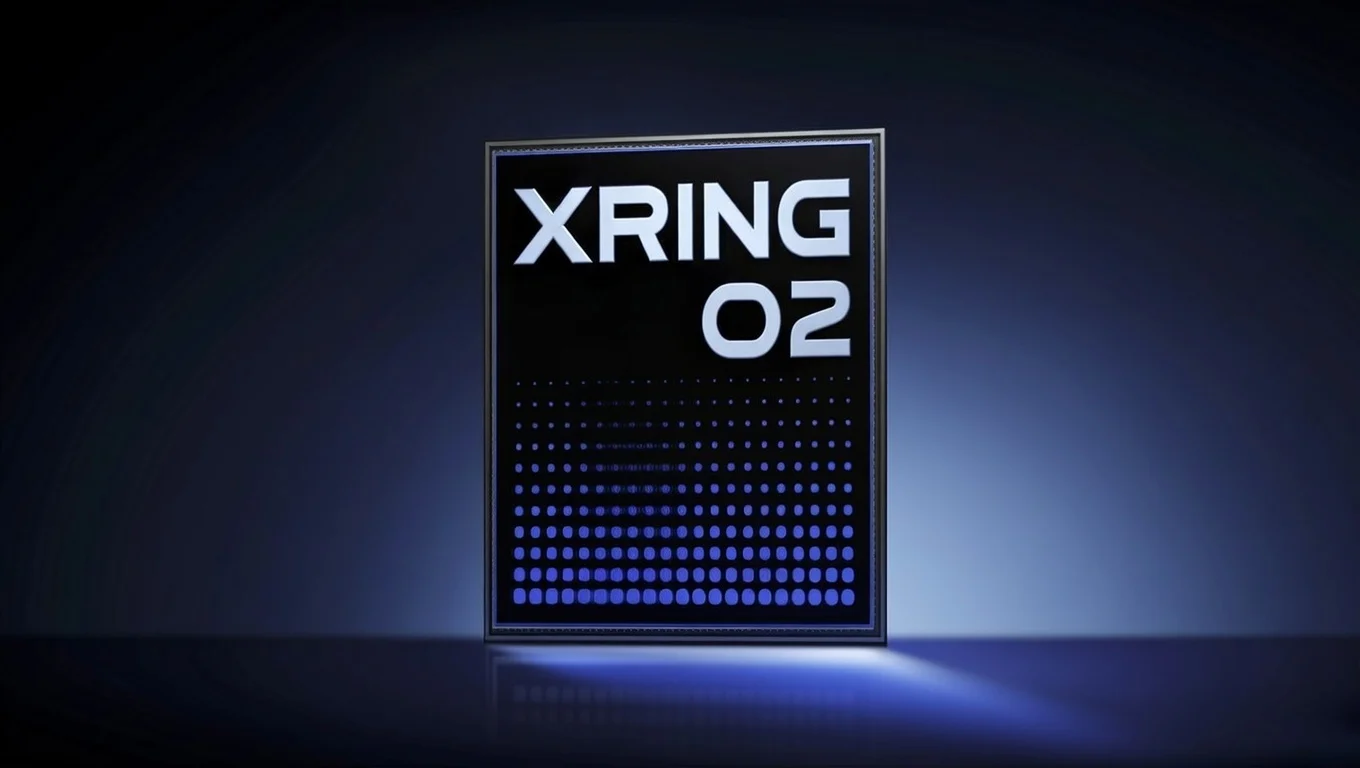
I’m a massive fan and analyst of everything Xiaomi, always digging into the latest whispers and official announcements. Today, I’m super excited to spill the beans on one of the hottest rumors for 2026: the Xiaomi Xuanjie O2 (also known as Xring O2). Recent leaks, initially shared by IT Home and backed up by industry heavyweights like Digitimes and TechNode, suggest something intriguing. It seems Xiaomi isn’t rushing straight to TSMC’s bleeding-edge 2nm node for its second-generation flagship SoC. Instead, they’re taking a refined approach, sticking with a souped-up version of 3nm: the N3P. This strategic move isn’t just a simple decision; it’s a calculated play that could redefine Xiaomi’s tech trajectory. Let’s dive deep into why this matters and what it means for the future of our favorite brand!

The Xuanjie O1: A Staggering Debut That Set the Stage
To truly grasp the significance of the Xiaomi Xuanjie O2, we first need to appreciate its predecessor. Remember the Xuanjie O1? Launched officially in May 2025, this chip wasn’t just another SoC; it was a historic milestone. The Xuanjie O1 was the very first 3nm mobile SoC designed independently by a mainland Chinese company. Crafted on TSMC’s N3E node (the second generation of 3nm), it packed an astounding 19 billion transistors into an area of roughly 109 mm². This wasn’t just a powerful chip; it was a statement.
The O1 debuted in premium devices like the Xiaomi 15S Pro (an anniversary edition) and various Ultra variants, proving that Xiaomi isn’t just capable of designing advanced silicon, but also optimizing it for a phenomenal balance between raw power and stellar battery life. You might even find it powering some incredible devices, much like the Redmi Turbo 5 Max: Flagship Power with Dimensity 9500s!.
Let’s quickly recap its impressive specs:
| Feature | Specification |
|---|---|
| Process Node | TSMC N3E (2nd Generation 3nm) |
| Transistors | ~19 Billion |
| Die Area | ~109 mm² |
| CPU | 10-core (2x Cortex-X925 @ up to 3.9 GHz, 4x Cortex-A725, 2x Cortex-A725 (mid), 2x Cortex-A520) |
| GPU | Immortalis-G925 (16 cores – latest Arm generation) |
| NPU | 6-core Xiaomi-developed, up to 44 TOPS for AI |
| Performance | Multi-core and efficiency close to/surpassing Snapdragon 8 Elite, strong competition with Apple A18 Pro (Geekerwan tests) |
| Debut Devices | Xiaomi 15S Pro, Ultra variants |
Why the Xiaomi Xuanjie O2 is Sticking with TSMC N3P 3nm
So, with such a strong foundation, why is the Xiaomi Xuanjie O2 apparently choosing to iterate on 3nm rather than leap to 2nm? The leaks point to TSMC’s N3P process, an evolution of N3E that offers significant improvements in transistor density (a bump of about 5-10%), energy efficiency, and performance per watt. All this, crucially, without the sky-high risks and exorbitant costs associated with the nascent 2nm node, which TSMC will only be ramping up for limited volumes in 2026.
Here are the core reasons for this shrewd strategic call:
- Cost vs. Benefit: The initial production costs for 2nm are astronomically higher. Xiaomi, being a brand that prides itself on delivering high value across its vast ecosystem, needs high volumes and competitive pricing. The N3P offers a sweet spot.
- Node Maturity: N3P is already a highly proven and reliable node, being utilized by industry giants like Apple and Qualcomm in 2025-2026. This maturity significantly reduces yield risks and allows for quicker design iterations, speeding up time-to-market.
- Sufficient Improvements: Even by staying on 3nm with N3P, coupled with Xiaomi’s design optimizations (think greater scale, potentially advanced Cortex-X9 cores or similar), we can realistically expect at least a 15-20% gain in Instruction Per Cycle (IPC) and overall efficiency compared to the O1. That’s a huge upgrade!
- Long-Term Strategy: This pragmatic approach allows Xiaomi to accumulate extensive experience and achieve massive production volumes on a highly competitive node. This foundation will be invaluable before they eventually adopt more advanced nodes for the Xuanjie O3 or subsequent chips, making sure their entry into 2nm (or even smaller) is well-prepared and seamless. This is a smart long-game move in the world of Mobile Technology.
HyperOS 3
Expanding Beyond the Smartphone: Xiaomi’s Grand Ecosystem Play
This is where the story of the Xiaomi Xuanjie O2 gets really exciting. It’s not just about powering our next-gen phones! Xiaomi has ambitious plans to expand the O2’s reach across its sprawling ecosystem:
- High-End Tablets: Expect to see the O2 debut in flagship tablets, likely successors to the popular Pad 7 series, pushing the boundaries of portable productivity. If you’re into Tablets, this is big news!
- ARM-based PCs: Get ready for Xiaomi-branded laptops or mini-PCs running on ARM architecture, possibly with Windows on ARM or a specially adapted version of HyperOS. This positions Xiaomi to compete directly with powerhouses like the Snapdragon X Elite.
- Electric Vehicles: The O2 is slated for integration into the SU7, YU7, and future models of Xiaomi’s electric cars. Imagine a unified computing platform handling AI, infotainment, and core vehicle functions, much like what’s discussed in Get Ready: Lei Jun is Back Tonight! Deep Dive into the Xiaomi SU7 New Generation!. This is a massive leap for Xiaomi Car.
- Other Ecosystem Devices: We might even see the O2 trickle down into premium routers, advanced wearables, and other smart devices, strengthening the overall Xiaomi experience.
This ambitious cross-platform expansion reinforces Lei Jun’s vision of a truly unified ecosystem, powered by a seamless experience with HyperOS 3 (which will be rolling out in 2026). With the same powerful silicon driving phones, tablets, cars, and PCs, Xiaomi aims to reduce its reliance on external chip suppliers like Qualcomm, while drastically improving AI integration (HyperAI), image generation capabilities, and overall productivity across all devices. This strategy is a testament to Xiaomi’s commitment to cutting-edge technology.

Xiaomi Xuanjie O2
When Can We Expect the Xuanjie O2 to Arrive?
According to the reliable sources, here’s the anticipated timeline for the Xiaomi Xuanjie O2:
- Expected Launch: Q2-Q3 of 2026, with a possible September reveal.
- First Devices: We’ll likely see it debut in flagship devices like the Xiaomi 16 series or special editions, swiftly followed by its integration into tablets and other ecosystem products. This will undoubtedly be a major story in Tech News.
The Next Chapter for Xiaomi’s Silicon Ambitions
In a nutshell, the Xiaomi Xuanjie O2 isn’t just another chip; it signifies Xiaomi’s rock-solid consolidation as a serious player in the highly competitive world of custom chip design. They aren’t chasing the “first to 2nm” headline; instead, they’re playing a much smarter, more pragmatic game. By focusing on top-tier performance, tightly controlled costs, and a massive expansion across their entire ecosystem, Xiaomi is setting itself up to be a true game-changer. This could genuinely reshape the landscape for Android devices and beyond, offering incredible new experiences for all Xiaomi fans.
What’s your take? Do you think Xiaomi should have pushed for 2nm right away, or is this pragmatic, ecosystem-focused strategy the smarter move? Let me know your thoughts in the comments below! If you found this analysis insightful, don’t forget to share it and follow me for more exclusive insights into the world of Smartphone and Xiaomi innovation! Let’s keep pushing boundaries together!





1 thought on “Xiaomi Xuanjie O2: Why Xiaomi’s Next Flagship Chip Stays 3nm”