Xiaomi vs Samsung 2026: 7 Reasons Why Xiaomi is Winning
Xiaomi vs Samsung 2026. # Xiaomi vs Samsung in 2026: 7 Reasons Why Xiaomi is Absolutely Crushing It
In the ever-evolving smartphone arena, the battle between tech giants is fierce. While Apple and Samsung have long held the top spots, Xiaomi is making serious waves in 2026. If you’ve been eyeing the latest flagships, you’ve probably wondered: is Xiaomi finally giving Samsung a run for its money? Let’s dive into what makes Xiaomi tick and why they’re winning over users worldwide.
The Shifting Landscape: Market Share and the Xiaomi Surge
By 2025, global market share figures showed Apple leading around 20%, Samsung holding a strong second at roughly 19%, and Xiaomi cementing a solid third place with about 13% of the pie. Samsung has historically been the undisputed king of Android, celebrated for its premium ecosystem, long software support, and unwavering reliability. However, in 2025 and 2026, Xiaomi has dramatically accelerated its pace. Their latest flagships, like the Xiaomi 15 Ultra and the T/Pro series, are directly challenging Samsung’s Galaxy S25/S25 Ultra across the board.
Is Xiaomi better than Samsung? Not across every single metric – Samsung still excels in long-term software polish and camera consistency in specific scenarios. But for many users, Xiaomi is hitting all the right notes: real-world performance, epic battery life, lightning-fast charging, groundbreaking hardware innovation, and, crucially, an unbeatable price-to-performance ratio.
Here are the 7 key reasons why Xiaomi is rapidly gaining ground in 2026, backed by real data and comparisons.
1. Unbeatable Value: More Specs for Less Cash
Xiaomi’s reign in the “value for money” segment remains unchallenged. In 2025-2026, their flagship devices often cost 30-50% less than equivalent Samsung models, all while matching or even exceeding specifications in many areas.

Let’s look at a direct comparison from the 2025-2026 era:
| Feature | Xiaomi 15 Ultra (Approx. 2026 Price) | Samsung Galaxy S25 Ultra (Official Price) | Clear Winner |
|---|---|---|---|
| Battery | 6000 mAh | 5000 mAh | Xiaomi |
| Max RAM | 16 GB | 12 GB | Xiaomi |
| Main Camera | ~200 MP (1″ sensor in some modes) | 200 MP | Tie/Xiaomi |
| Fast Charging | 90-120W | 45W | Xiaomi |
| Approx. Price (Global) | ~€900-1100 | ~€1400-1600 | Xiaomi |
On platforms like Versus.com, the Xiaomi 15 Ultra even scores slightly higher in value metrics (100 vs 99 points). This trend continues in the mid-range. For instance, comparing the Redmi Note 15 Pro+ to the Galaxy A55/A56, Xiaomi offers 6500 mAh batteries versus Samsung’s 5000 mAh, 120W charging against 25-45W, and equally bright displays.
The takeaway: If you’re after top-tier performance without the unnecessary premium price tag, Xiaomi is the clear winner. Samsung charges more for its brand and ecosystem, but Xiaomi’s raw hardware often outshines it, euro for euro.
2. Battery Life That Lasts and Charging With Zero Waiting
One of Samsung’s long-standing criticisms has been its comparatively slow charging speeds. In 2026, the gap is wider than ever:
- Xiaomi: Boasts 90-120W charging on its flagships, meaning a full 0-100% charge in approximately 20-30 minutes.
- Samsung: Tops out at 45W on the S25 Ultra, requiring about an hour for a complete charge.
Furthermore, Xiaomi often equips its devices with larger batteries (like the 6000 mAh in the Ultra model versus Samsung’s 5000 mAh). Combined with HyperOS optimization, this translates to a real-world battery life of 1.5-2 days under intensive use, compared to about a day for Samsung. Real-world tests on YouTube in 2025-2026 show the Xiaomi 15/15 Ultra consistently lasting 19-31 hours of screen-on time in mixed usage, while the S25 Ultra hovers around 12-15 hours in similar scenarios. This advantage extends to the mid-range, with Redmi Note series devices easily reaching two days, while Galaxy A series phones rarely exceed 1.5 days. This is partly thanks to Xiaomi’s adoption of high-density silicon-carbon batteries.
3. Leica-Infused Cameras: Detail, Vibrancy, and Versatility
Xiaomi’s partnership with Leica has propelled its camera systems to the absolute top tier. Comparisons from 2025-2026 on YouTube and Versus reveal that devices like the Xiaomi 15T/15 Ultra often outperform the S25 in terms of detail, contrast, “cinematic” saturation, and natural bokeh, especially with the 1-inch sensor on the Ultra. While Samsung remains highly consistent with its 10x+ zoom and balanced night mode, Xiaomi’s vibrant, Leica-esque colors are a hit for many.
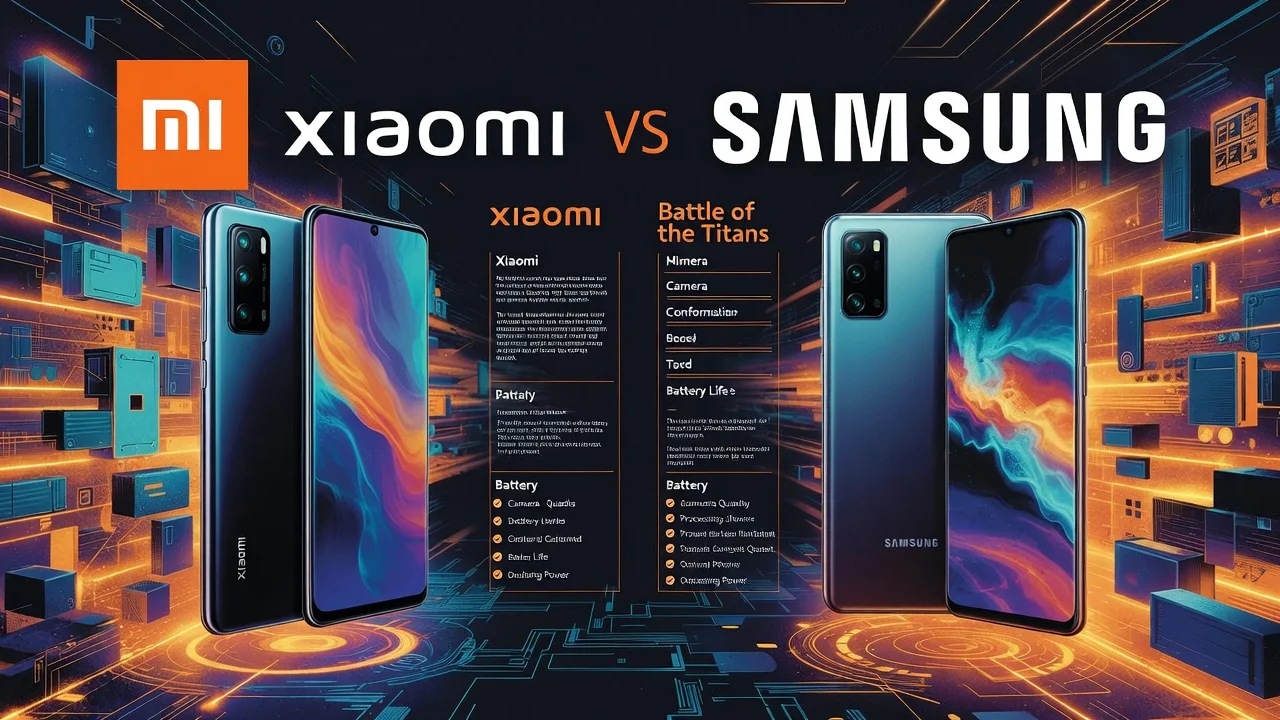
fast charging
Xiaomi’s camera advantages include:
- Larger sensors in many models.
- More comprehensive manual and pro modes.
- Excellent video stabilization and true 8K recording on flagships.
On Reddit and various forums in 2026, a significant number of users express a preference for Xiaomi cameras for social media-ready shots that pop.
4. Performance Prowess: Snapdragon Elite and Ample RAM for Extreme Fluidity
Both Xiaomi and Samsung are leveraging the latest Snapdragon Elite chips in their 2025-2026 flagships. However, Xiaomi often extracts more performance:
- More RAM: Typically offering 12-16 GB as standard, compared to Samsung’s 12 GB.
- Optimized Software: HyperOS 2 is designed to be lighter and more aggressive in multitasking.
- Advanced Cooling: This results in less thermal throttling during demanding gaming sessions on titles like Genshin Impact or PUBG.
Speed tests from 2026 on YouTube show Xiaomi devices opening apps and handling multitasking slightly faster than their Samsung counterparts in certain benchmarks. For gamers, Xiaomi even integrates physical triggers on some models and employs more aggressive adaptive refresh rates, enhancing the gaming experience.
5. Constant Innovation: “Wow” Features Samsung Hesitates On
Xiaomi isn’t afraid to push boundaries, often introducing innovative features that Samsung either lags behind on or charges extra for. This includes:
- Blazing Wireless Charging: 50-80W wireless charging compared to Samsung’s 15W.
- Enhanced Durability: IP68 rating with superior resistance in select models.
- Brighter Displays: Peak brightness exceeding 3000 nits with improved anti-reflective coatings.
- Integrated Accessories: An IR blaster for universal remote control is still a common feature on many Xiaomi devices.
- AI Capabilities: HyperOS 2 integrates its own AI features for photo editing and real-time subtitling, directly competing with Galaxy AI.
While Samsung tends to be more conservative, Xiaomi’s willingness to take risks often results in compelling, user-centric advancements. For those seeking the latest tech, exploring Xiaomi’s innovation is a must.
6. Unstoppable Growth and Global Reach
Xiaomi vs Samsung 2026
Market data from 2025 reinforces Xiaomi’s impressive trajectory. Its 13% global market share places it firmly in third place, with significant growth observed in regions like Latin America, the Middle East, Africa, Southeast Asia, and India. Xiaomi’s successful push into the premium segment, with strong sales for its Xiaomi 15/Ultra series, is particularly noteworthy. Meanwhile, Samsung is seeing some erosion in emerging markets due to its higher pricing, creating an opening that Xiaomi is aggressively exploiting.
7. Improved Updates and a Massive Community
While Samsung still leads in long-term software support (offering 7 years of Android updates on the S25 series), Xiaomi has made dramatic improvements. Their 2025+ flagships now typically receive 4-5 years of OS updates and extended security patches, bringing HyperOS (based on Android 15) up to Android 19/20. Beyond official support, Xiaomi boasts a massive and vibrant community that actively develops custom ROMs and modifications, offering unparalleled personalization for those who want it. Many users also find HyperOS to be a refreshing alternative to the more corporate feel of Samsung’s One UI.
The Verdict: Xiaomi or Samsung in 2026?
If your priorities lie with a polished ecosystem, decades-long software support, high resale value, and a consistently premium experience, Samsung remains a safe and excellent choice.
However, if you’re chasing the cutting edge of hardware, demand all-day battery life, crave lightning-fast charging, appreciate cameras with distinct character, prioritize extreme gaming performance, and want to spend significantly less for flagship specs, Xiaomi is delivering an absolutely stellar experience in 2026. The gap is narrowing year by year, and in many practical aspects, Xiaomi is already ahead. At this pace, 2027 might be the year when many start asking, “Samsung? Not so much anymore.”
What are your thoughts? Have you switched to Xiaomi, or are you still loyal to Samsung? Let us know in the comments below!