Xiaomi Quick Share & AirDrop Compatibility: The Future of Sharing
Quick Share AirDrop compatibility. # Xiaomi Forces Google’s Hand: Quick Share & AirDrop Now Compatible (And You Win!)
Ever wished you could effortlessly beam files from your Xiaomi to an iPhone, or vice versa, without jumping through hoops? Well, the tech gods (and Xiaomi’s strategic moves) have heard your prayers! A major shift is happening in the mobile world, with Google finally making its Quick Share and Apple’s AirDrop play nice. This is huge news for anyone juggling devices across different ecosystems, and it’s largely thanks to Xiaomi pushing the boundaries.
The Interoperability Revolution is Here
For years, the dream of seamless file sharing between Android and iOS felt like a distant fantasy. We’ve relied on clunky workarounds, third-party apps, or cloud services, each with their own set of frustrations. But that’s about to change, and Xiaomi has played a pivotal role in making it happen.
How Xiaomi Paved the Way for Universal Sharing
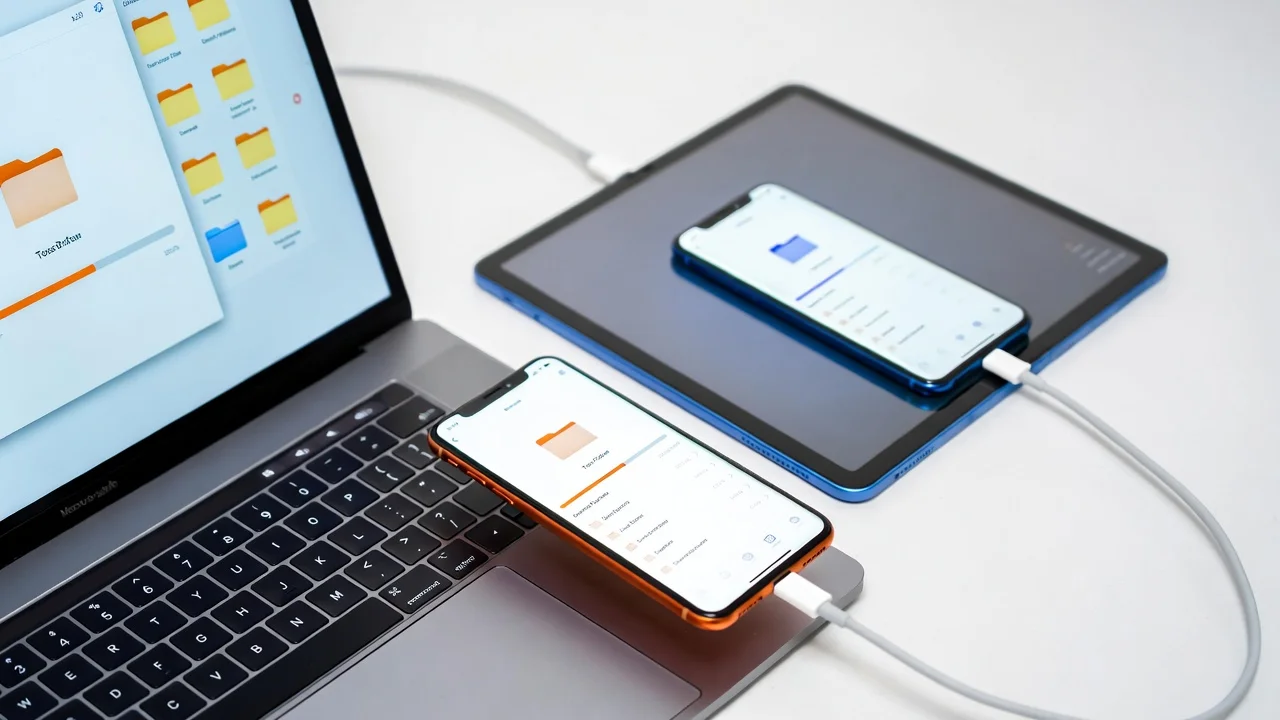
You might have seen headlines about a “Xiaomi alliance” that supposedly pushed Google to act, and there’s a lot of truth to it. While not a direct collaboration with Google or Apple, Xiaomi’s proactive approach with its HyperOS ecosystem has been a game-changer. Starting with HyperOS 2 and subsequent updates in 2025, Xiaomi began rolling out features that allowed for much smoother file sharing with iPhones, iPads, and Macs.
Think about it: native device detection in the share sheet, peer-to-peer transfers without extra apps, and compatibility with common formats like HEIC photos and 4K videos. This wasn’t just a minor tweak; it was a significant leap towards bridging the gap. Other Android manufacturers, like Oppo, took notice and followed suit.
Google, observing these efforts within the Android camp, realized that a fragmented approach wasn’t ideal. They decided to take matters into their own hands, standardizing and enhancing interoperability at the operating system level through Quick Share. This means everyone, including Xiaomi, Samsung, Nothing, and others, can now benefit from a unified solution without having to reinvent the wheel.
What This Compatibility Means for You
So, what does this all boil down to in practical terms? It’s simpler and more powerful than you might imagine.
Seamless, Bidirectional File Sharing
- Xiaomi to iPhone: Need to send that hilarious meme or important document from your Xiaomi phone to a friend’s iPhone? With the new Quick Share compatibility, your iPhone will appear directly in your Xiaomi’s sharing options, just like any other Android device.
- iPhone to Xiaomi: Conversely, if you have an iPhone with AirDrop enabled (“Everyone for 10 minutes”), you can now send files directly to your compatible Xiaomi device without needing any extra apps.
Goodbye, Third-Party Apps!
This is the part that will make many users cheer. Forget about LocalSend, Send Anywhere, Snapdrop, or even using WhatsApp for quick local transfers. The native solution is here, and it’s built-in.
Security You Can Trust
Google hasn’t compromised on security. The interoperability leverages AirDrop’s robust encryption standards, ensuring that your files are transferred peer-to-peer and are encrypted throughout the journey, without ever touching external servers.
Speed That Impresses
Expect speeds comparable to AirDrop. The system utilizes a smart combination of Bluetooth for device discovery and Wi-Fi Direct for the actual file transfer, allowing for speeds of hundreds of MB/s under ideal conditions.
The Rollout Timeline: When to Expect It
While the initial rollout began with Google’s own Pixel 10 series in November 2025, Google has confirmed an expanded availability throughout 2026.
tech news
Here’s a rough idea of what to expect:
| Approximate Date | Affected Devices | Key Details |
|---|---|---|
| November 2025 | Pixel 10 series (10, Pro, Pro XL, Pro Fold) | Initial launch; requires Quick Share Extension (~1.4 MB update) |
| January–February 2026 | Pixel 9 series & some older Pixels | Retroactive support tested in Canary builds; progressive rollout |
| Mid-2026 | Xiaomi, Samsung, Oppo, Vivo, Nothing, etc. | Expansion to OEM partners via Google Play Services updates |
| Late 2026 | Most Android 14+ with updated Play Services | Near-universal compatibility for flagships and upper mid-range devices |
Google’s commitment to expanding this feature was reiterated in February 2026, with hints of “exciting announcements” to come. The backing from Qualcomm, ensuring support on recent Snapdragon chips, is also fantastic news for Xiaomi, as many of their flagship devices, like the anticipated Xiaomi 15 Ultra, are powered by Snapdragon. This is great news for anyone following Xiaomi news.
What This Means for Xiaomi and HyperOS Users
For us Xiaomi enthusiasts, this is particularly exciting.
- Enhanced Ecosystem Integration: While HyperOS already offered a great experience, this native Quick Share integration will make it even smoother and more standardized, especially in mixed-device households.
- Bridging the Gap: This move directly addresses one of the persistent arguments against switching to Android or staying within the Apple ecosystem: the perceived difficulty of cross-platform sharing.
- Family & Friends Friendly: Imagine easily sharing vacation photos, recipes, or work documents with friends and family who use iPhones. It’s now as simple as tapping a button. This is a significant win for users of Xiaomi smartphones.
A Few Things to Keep in Mind
As with any new technology, there might be a few initial caveats:
- AirDrop Settings: For now, you’ll need to set your Apple device’s AirDrop to “Everyone for 10 minutes.” The “Contacts Only” option isn’t yet supported, but Google is keen on collaborating with Apple to add it.
- Proximity Matters: The best performance will be at shorter distances, thanks to the Bluetooth and Wi-Fi Direct combo.
- HyperOS Updates: On the Xiaomi side, you’ll need to ensure your device receives the necessary Google Play Services updates. Generally, flagship Chinese devices get these updates pretty quickly. For those with the latest HyperOS devices, this should be a seamless update.
The Future of Cross-Platform Sharing is Here
What began as Xiaomi’s strategic push to improve its own interoperability has effectively nudged Google into creating a universal bridge between Android and iOS. The result is a 2026 where sharing files across different platforms is no longer a headache but a simple, intuitive process. If you’ve got a recent Xiaomi device, keep your HyperOS and Google Play Services updated – the true AirDrop experience is coming to your pocket! This development is a testament to the ongoing evolution in mobile technology.