HyperOS Explained: Xiaomi’s Unified OS Journey & Features
HyperOS Explained: Xiaomi’s Unified OS Journey, Versions, and Wearable Support (Updated 2026)
Welcome to xiaomiforall.com! If you’re a Xiaomi fan, you’ve likely heard the buzz about HyperOS. This is Xiaomi’s brand new flagship operating system, stepping in to replace the long-loved MIUI. It’s more than just a fresh coat of paint; HyperOS represents a significant strategic move towards a truly unified ecosystem that connects everything from your smartphone and tablet to your smartwatch, smart home gadgets, and even cars like the upcoming Xiaomi SU7. Built on Android but with a custom, optimized core, HyperOS is all about delivering a smoother, smarter, and seamlessly connected experience.
The Genesis and Evolution of HyperOS
Xiaomi didn’t just wake up one day and decide to replace MIUI. The development of HyperOS was a direct response to the evolving landscape of connected devices and the limitations that a more fragmented approach could bring. After years of refining MIUI, which first launched back in 2010, Xiaomi made the strategic decision in 2023 to forge a new, unified platform.
The official announcement for HyperOS came on October 17, 2023, with its initial debut on October 26, 2023, alongside the impressive Xiaomi 14 series in China. The global rollout began during the Mobile World Congress (MWC) 2024, bringing this exciting new experience to users worldwide.
The name “HyperOS” itself hints at its core mission: “Hyper” suggesting hyper-connectivity and peak performance. Xiaomi achieved this by unifying existing architectures, including MIUI (for mobile devices) and Vela OS (for lightweight IoT devices), into a single, cohesive system. The ultimate goal is to break down barriers between devices, fostering a “HyperConnect” experience where your phone, watch, car, and smart appliances work together as a single, intelligent entity.
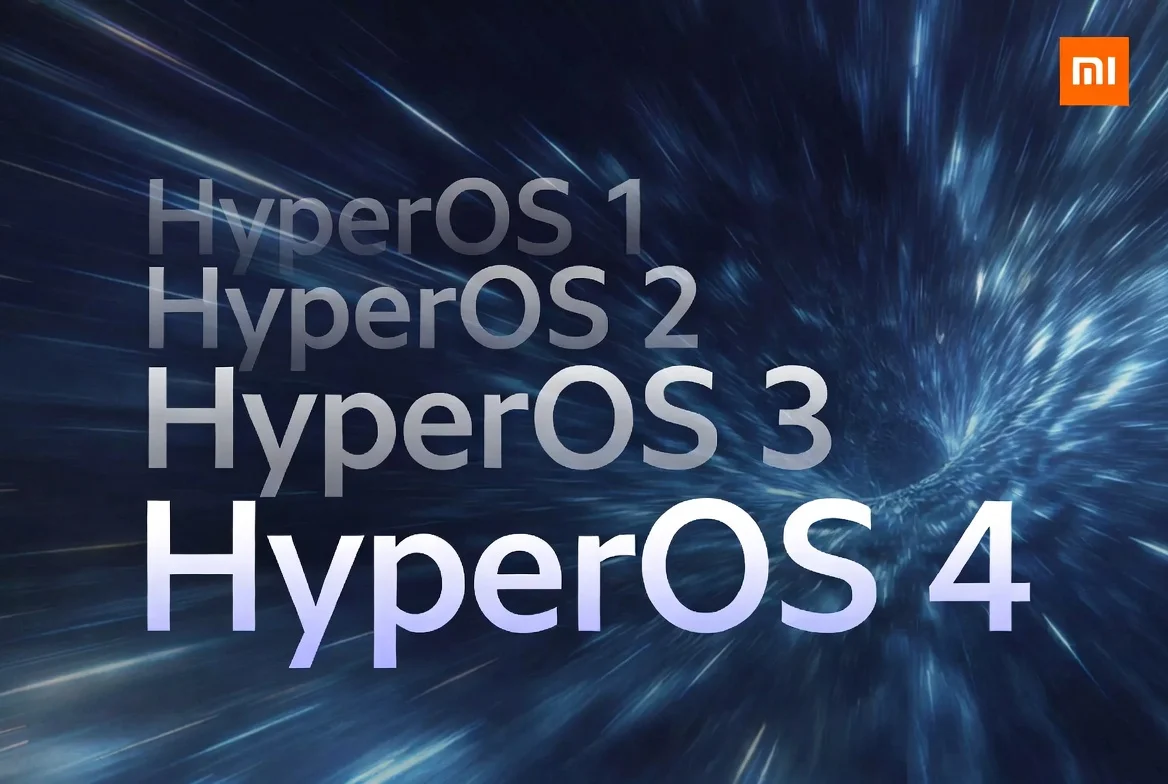
As we look towards 2024-2026, HyperOS has seen rapid development, with a strong emphasis on Artificial Intelligence (dubbed HyperAI), performance enhancements powered by Xiaomi’s in-house silicon, and continuous improvements in privacy and energy efficiency. Today, HyperOS stands as one of the most ambitious operating systems developed by a Chinese manufacturer, directly challenging premium skins like Samsung’s One UI and OPPO’s ColorOS.
A Deep Dive into HyperOS Versions
Xiaomi has been diligently updating HyperOS, bringing new features and refinements with each iteration. Here’s a look at the key versions and their advancements:
| Version | Primary Year | Base Android | Key Release Date | Major New Features |
|---|---|---|---|---|
| HyperOS 1 | 2023-2025 | 13-15 | October 2023 | Complete UI redesign, new Control Center, advanced lock screen customization, initial HyperConnect |
| HyperOS 2 | 2024-Present | 14-16 | October 2024 | Enhanced animations, status bar customization, deeper AI integration, battery optimizations |
| HyperOS 3 | 2025-Present | 15-16 | August/Oct 2025 | Xiaomi HyperIsland (similar to Dynamic Island), refined animations (>100), New Gallery, tablet multitasking, Apple device integration |
| HyperOS 3.1 | 2026 | 16 | March 2026 | Live Updates support, apps rewritten in Rust (Gallery, Weather), native AirPods integration, native password manager |
| HyperOS 4 (In Development) | 2026 | 16-17 | Summer 2026 (Expected) | Liquid Glass UI, deeper AI, Rust/Flutter core, gaming enhancements |
It’s important to note that Xiaomi offers regional versions of HyperOS (China, Global, EEA, India) to comply with local regulations, such as GDPR. The rollout is typically gradual, so it’s always a good idea to check official trackers or community resources like the HyperOS Update Guide for compatibility details on your specific device.
Why HyperOS Stands Out: Advantages Over MIUI
Many users ponder the transition from MIUI to HyperOS. For those with more recent Xiaomi devices, the answer is generally a resounding “yes!” HyperOS brings several key advantages:
Smoother Performance and Enhanced Fluency
One of the most immediate benefits of HyperOS is its improved fluidity. It’s designed to be lighter, with optimizations at the kernel, instruction compiler, and graphical rendering levels. The refined animations and reduced RAM consumption contribute to a more premium feel, even on mid-range hardware. Xiaomi’s expertise with its own silicon plays a significant role in these performance gains, particularly noticeable in later versions like HyperOS 3.
A Modern, Minimalist Design
HyperOS sports a cleaner, more modern aesthetic. You’ll notice desaturated icons, a simplified typography, and a completely reimagined Control Center that consolidates functions into a single, easily navigable screen. The overall visual clutter is reduced compared to some later MIUI iterations, offering a more focused user experience.
Deep Personalization Options
Get ready to make your device truly your own. HyperOS offers extensive customization for your lock screen, allowing for various styles, widgets, and dynamic effects. AI-powered dynamic wallpapers and more integrated themes and widgets further enhance the personal touch.
Unleashing the Power of HyperAI
Artificial intelligence is at the core of HyperOS. This translates into practical features like intelligent photo and video editing, contextual suggestions that anticipate your needs, and the evolution of Xiaomi’s voice assistant, Super Xiaoai. Recent versions even boast deeper integration with large language models like Gemini, making your device smarter than ever.
HyperIsland: A Dynamic Display Feature
A standout feature introduced with HyperOS 3 is HyperIsland. This ingenious expansion of the camera cutout area transforms it into an interactive hub for notifications, music controls, timers, and more, offering a fluid and engaging visual experience.
Improved Battery Life and Efficiency
Users have reported noticeable improvements in battery life since upgrading to HyperOS. This is attributed to smarter background process management and more effective thermal control, ensuring your device runs cooler and lasts longer.
The HyperConnect Ecosystem
The true magic of HyperOS lies in its ability to create a cohesive ecosystem. HyperConnect allows for seamless interaction between all your Xiaomi devices. Share files instantly, pick up tasks where you left off on another device, or effortlessly control your smart home from any gadget.
Quick Comparison: HyperOS vs. MIUI
- MIUI: Feature-rich, but could be heavier and sometimes displayed ads in global versions.
- HyperOS: Cleaner, faster, with a strong focus on ecosystem integration and AI. It’s less intrusive and promises better long-term support.
While HyperOS generally outperforms MIUI in smoothness and efficiency, some older devices might experience a slightly uneven transition during the update process.
HyperOS on Wearables: A Seamless Extension
Xiaomi has thoughtfully extended HyperOS to its wearable devices, marking a significant leap in ecosystem integration. Devices like the Xiaomi Watch S3 were among the first to embrace this new OS.
The advantages for wearables are substantial:
- Fluid and Optimized Interface: Designed for small circular or rectangular screens, HyperOS on wearables offers smooth animations and intuitive navigation.
- Perfect Sync with Mobile: Enjoy instant notifications, real-time health data synchronization, remote music control, and camera operation directly from your wrist.
- Advanced AI Health Features: Benefit from in-depth sleep analysis, stress tracking, recovery monitoring, and intelligent training guidance.
- Enhanced Battery Efficiency: Optimized power management and more effective low-power modes ensure your wearable keeps going.
- Dedicated HyperConnect Features: Respond to messages, control smart home devices, or use your wearable as a true extension of your smartphone.
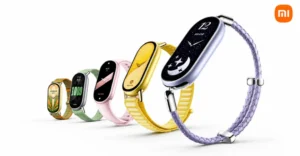
With HyperOS 3 arriving for wearables in late 2025, expect a refreshed interface, improved accidental touch prevention, and stable dual connectivity (Bluetooth plus other methods). Compatible models include the Xiaomi Watch S series, Redmi Watch, and Band 9/Pro, all working harmoniously with the Mi Fitness app on both Android and iOS. This unified approach makes the Xiaomi ecosystem particularly appealing for those seeking a consistent experience without being solely reliant on Google Wear OS.
The Verdict: Should You Embrace HyperOS?
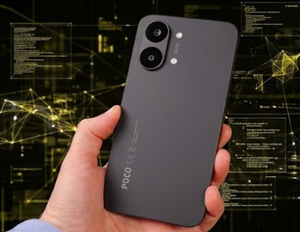
In a remarkably short time, HyperOS has matured into one of the most promising operating systems in the Android landscape. It strikes an excellent balance between performance, deep customization, intelligent AI features, and a truly connected ecosystem. If you own a recent Xiaomi, Redmi, or POCO device, upgrading to HyperOS will likely enhance your daily user experience.
The strengths of HyperOS, including its exceptional fluidity, robust HyperConnect capabilities, and commitment to ongoing updates, generally outweigh any minor initial bugs that can sometimes accompany major software releases. For wearables, it represents a profound level of integration that elevates the entire Xiaomi ecosystem.
Are you already experiencing HyperOS on your phone or watch? What version are you running, and what do you love most about it, or what could be improved? Share your thoughts in the comments below to help enrich this guide!



3 thoughts on “HyperOS Explained: Xiaomi’s Unified OS Journey & Features”