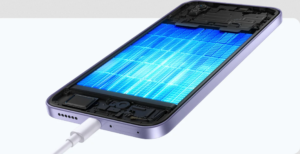
What IP68 Actually Means on a Xiaomi Phone (and What It Doesn’t)
IP68 and IP54 describe very different phones. Here’s what the codes mean, what they don’t cover, and why the warranty usually won’t help if your Xiaomi gets wet.
“Waterproof” is one of the most misused words in phone marketing. What spec sheets actually give you is a code, such as IP68 or IP54, and those two codes describe very different phones. If you’re deciding between a flagship and a cheaper Redmi or POCO, knowing what the code means can save you from a dead phone after a rainy commute.
How to Read an IP Rating
IP stands for Ingress Protection, and the rating comes from the international standard IEC 60529. It has two digits:
- The first digit (0 to 6) measures protection against solid particles such as dust. A 6 means the phone is dust-tight.
- The second digit (0 to 9) measures protection against water. Higher numbers mean tougher conditions, but they are not a simple scale, because each level tests something different.
If a manufacturer doesn’t test for one of the two, it replaces that digit with an X. A rating like IPX8 means the water test was done but the dust test wasn’t.
What IP68 Means
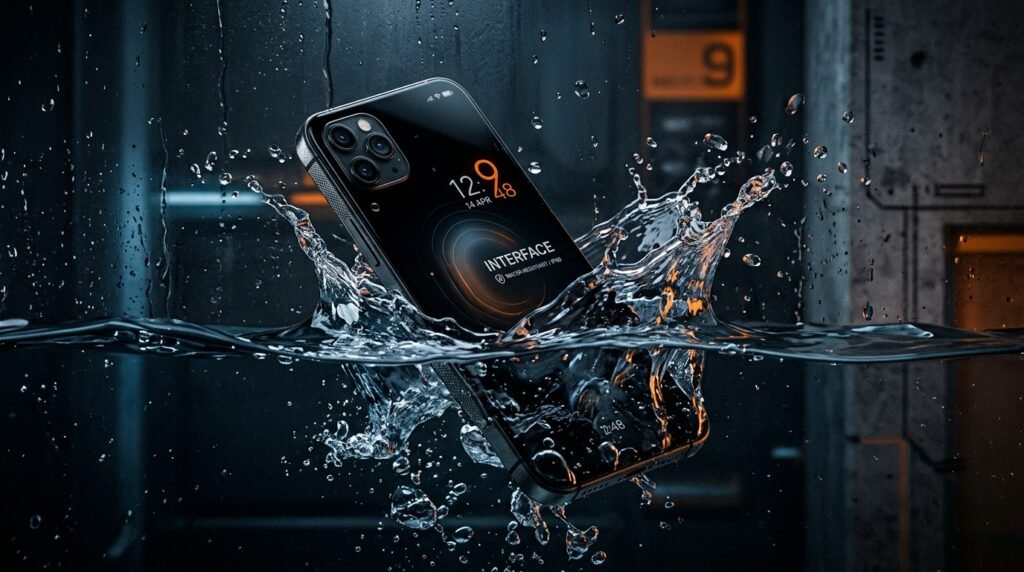
IP68 is the top rating most phones carry. The 6 means no dust gets in. The 8 means the phone survives continuous immersion in water, but the standard doesn’t fix the depth or the time. The manufacturer decides and states it. Many phones quote around 1.5 metres for up to 30 minutes, but you should check the exact figure for your model on the official specifications page rather than assume it.
That’s a useful safety margin for a dropped phone in a sink, a sudden downpour, or a spill. It is not a licence to take your phone diving.
What IP54 and Similar Ratings Mean
Cheaper phones often carry ratings such as IP53 or IP54. Here the 5 means limited dust protection: some dust can get in, but not enough to interfere with normal use. The 3 or 4 refers to water sprayed or splashed at the phone from different angles. In practice that means light rain and splashes are fine, but dropping the phone in water is not.
Xiaomi’s pattern, broadly, is that many of its flagship models carry IP68, while a lot of mid-range and budget Redmi and POCO phones carry only a splash-resistance rating or no official rating at all. Because that varies model by model and even by region, always check the specs of the exact phone you’re buying.
What IP68 Does Not Cover
The lab tests behind the rating use still, fresh water at room temperature. Real life is rougher, and these situations are not covered by the rating:
- Seawater and pool water. Salt and chlorine can corrode ports and seals.
- Hot water, steam and soap. Showers, saunas and hot tubs can break down the seals.
- High-pressure water. A jet from a tap or a wave can exceed what the test simulates. Ratings that cover jets, such as IP69, are a separate level of protection.
- Damage and age. A cracked screen or back panel, or a phone that has been repaired, can lose its seals.
The Warranty Catch
Here is the part that surprises people. Having an IP68 rating does not mean the manufacturer will cover water damage. Most warranties exclude liquid damage, and the rating is a design specification, not a promise. If your phone dies after a swim, expect to have to prove it was a fault rather than exposure. That’s another reason to buy through an official channel, which we explain in our guide to spotting a grey-market Xiaomi phone.
Practical Tips
- Check the exact rating on your model’s official specifications page before you rely on it.
- If the phone gets wet, dry it, don’t charge it until the charging port is dry, and rinse off salt or chlorine with fresh water.
- Treat water resistance as wearing out over time. Seals age, and a phone that has been dropped repeatedly may no longer meet its original rating.
- After any screen or battery repair, assume the water resistance is reduced unless the repairer says they reseal it.
The Bottom Line
IP68 is a real and useful protection against accidents, and it’s a reasonable reason to pay more for a flagship. But it describes a lab test, not an everyday guarantee. If your phone is IP54, keep it out of the water completely. If it is IP68, treat it as protected against accidents, not as an underwater camera.