Xiaomi Flagship Evolution: 13 to 18 – Worth the Leap?
Xiaomi Flagship Evolution: From Series 13 to 18 – Is the Leap Worth It or Just Hype? A Normal User’s Analysis
Xiaomi has long been the go-to for premium smartphone features without the eye-watering price tag. But as we look towards the rumored Xiaomi 18 series, it’s time to ask: has the evolution from the Xiaomi 13 series been worth the investment for the everyday user, or is it simply a case of increasing hype and costs? We’re diving deep into this progression to see if the latest flagships truly offer a tangible upgrade or if sticking with an older, well-loved model makes more sense.
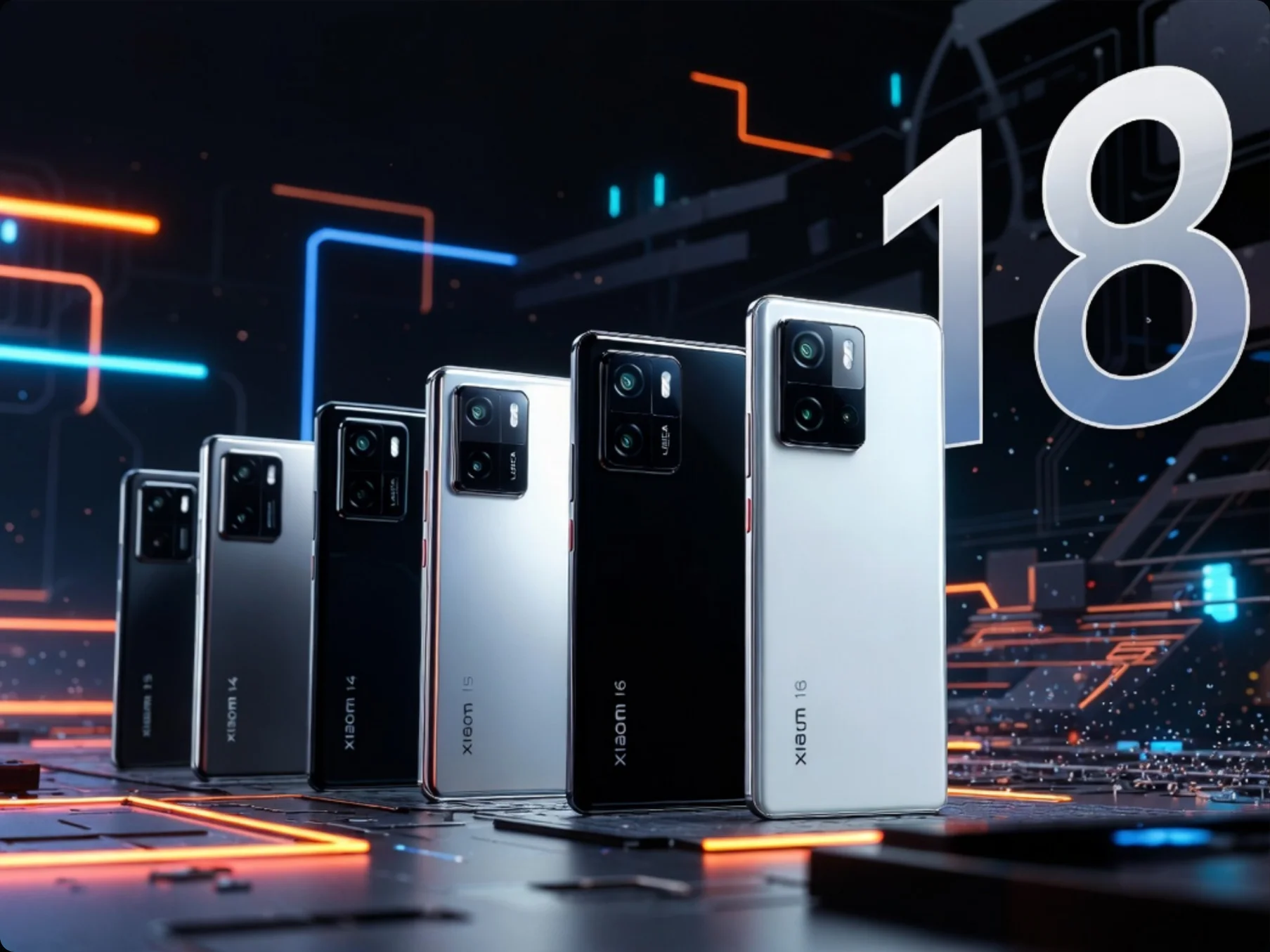
The Xiaomi 13 Series (2022-2023): The Compromise That Worked
The Xiaomi 13 series marked a significant shift for the brand. Xiaomi really upped their game by partnering with Leica for camera enhancements and adopted a sleeker, more premium design that, dare we say, had a hint of iPhone inspiration. This series was all about delivering a near-flagship experience at a more accessible price point.
Xiaomi 13 (Base Model)
- Display: 6.36-inch
- Processor: Snapdragon 8 Gen 2
- Battery: Approximately 4500mAh
- Cameras: Quality Leica sensors for its time
- European Launch Price: Around €999 for the base version.
For the average user, the standard Xiaomi 13 delivered a genuine flagship feel. It was super smooth, captured great daylight photos, charged up quickly, and importantly, its size was easy to handle. Sure, the battery might have struggled with heavy, all-day use, and the zoom wasn’t the absolute best, but for daily tasks, it was a solid performer without any major headaches. What’s really impressive is that even three years later, in 2026, you can still find it for around $300 in some markets, showing its enduring value.
This phone truly embodied Xiaomi’s core philosophy: offering a lot of bang for your buck. It went toe-to-toe with heavy hitters like the Galaxy S23 and iPhone 14 in terms of specs, but at a noticeably lower price.
Xiaomi 13 Pro
The Pro model took things up a notch with even better performance, an enhanced camera system, and a more robust build. It launched in Europe for around €1299, positioning it as a serious contender in the premium segment. While the base 13 was the sweet spot for many, the Pro offered those little extras for users who wanted the absolute best camera or processing power available at the time.
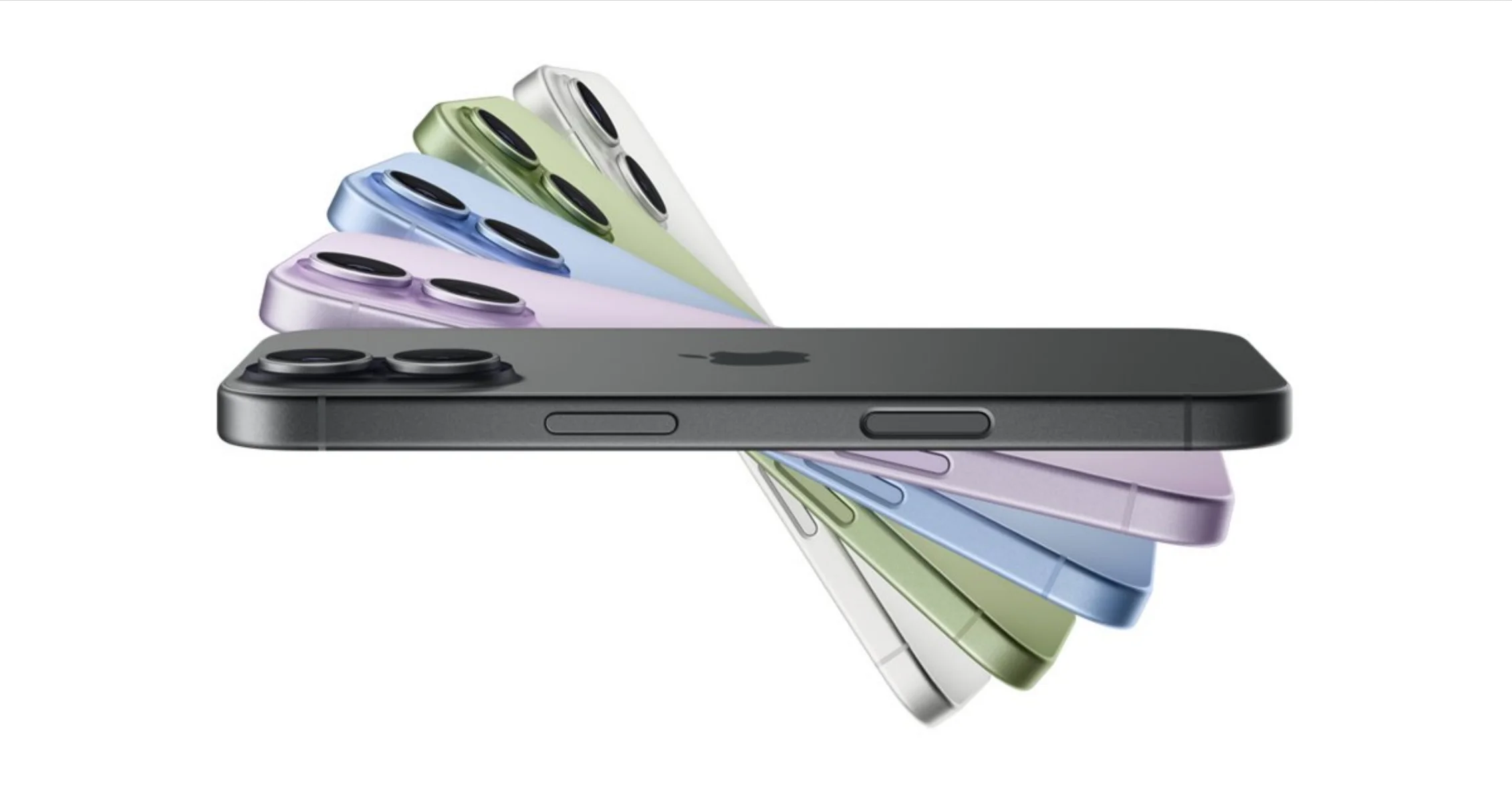
Xiaomi 14 Series (2023-2024): The Leap into True Premium
The Xiaomi 14 series saw Xiaomi refine its formula, powered by the Snapdragon 8 Gen 3. They managed to keep the base model’s compact 6.36-inch size while significantly boosting screen brightness (up to a dazzling 3000 nits), optimizing battery life with a 4610mAh high-density cell, and further refining the Leica camera experience.
Global Pricing Snapshot (Approximate)
- Xiaomi 14 (Base): Starting from around €700-€800, making it surprisingly more affordable than the 13 in some regions.
- Pro and Ultra Models: Priced higher, with the Ultra aiming directly at the Galaxy S Ultra and iPhone Pro Max.
Key Progression Points:
- Photography: Noticeable improvements in low-light performance and video recording capabilities.
- User Experience: The average user would likely appreciate the better battery life, brighter outdoor screens, and the rollout of the more mature HyperOS software.
- The Price Tag: While the value proposition remained strong, the price started creeping up. The feeling of getting an incredible deal was becoming less pronounced compared to earlier generations.
Many users reported that upgrading from a Xiaomi 13 to a 14 was only truly justified if they specifically needed the enhanced camera and display. For everyday tasks like social media scrolling, messaging, and general web browsing, a well-maintained Xiaomi 13 was still more than capable. This highlights a common theme: the biggest gains are often in niche, high-demand areas.
The Mid-Series Generations (15-17): Consolidation and Refinement
While exact specifications differ with each iteration, the underlying pattern remained consistent. Each new generation brought more powerful processors (following the Snapdragon 8 Gen series), slightly larger batteries, cameras with higher megapixel counts, and ongoing software refinements.
The general trend across these Xiaomi flagship lines has been:
- Incremental Hardware Upgrades: Expect better LTPO display technology for smoother scrolling and power efficiency, faster charging speeds, and more robust IP68 water and dust resistance.
- Emerging AI Focus: Later versions began to heavily integrate Artificial Intelligence features, promising smarter device interactions and enhanced functionality.
- Premium Design Evolution: Materials improved, and finishes became more sophisticated, putting Xiaomi directly in competition with established luxury brands.
However, for the everyday user, these incremental improvements don’t always translate into a dramatically better day-to-day experience. A 20-30% faster processor, for example, might not be noticeable when simply browsing Instagram or doing basic photo edits. The significant leaps are usually reserved for demanding tasks like high-end gaming, intensive video editing, or extreme multitasking scenarios.
Rumors of the Xiaomi 18 Series (2026): Revolution or Expected Evolution?
Whispers and leaks suggest the Xiaomi 18 series might arrive globally sooner than expected, potentially boasting some seriously impressive specs.
Expected Features of the Xiaomi 18 Series
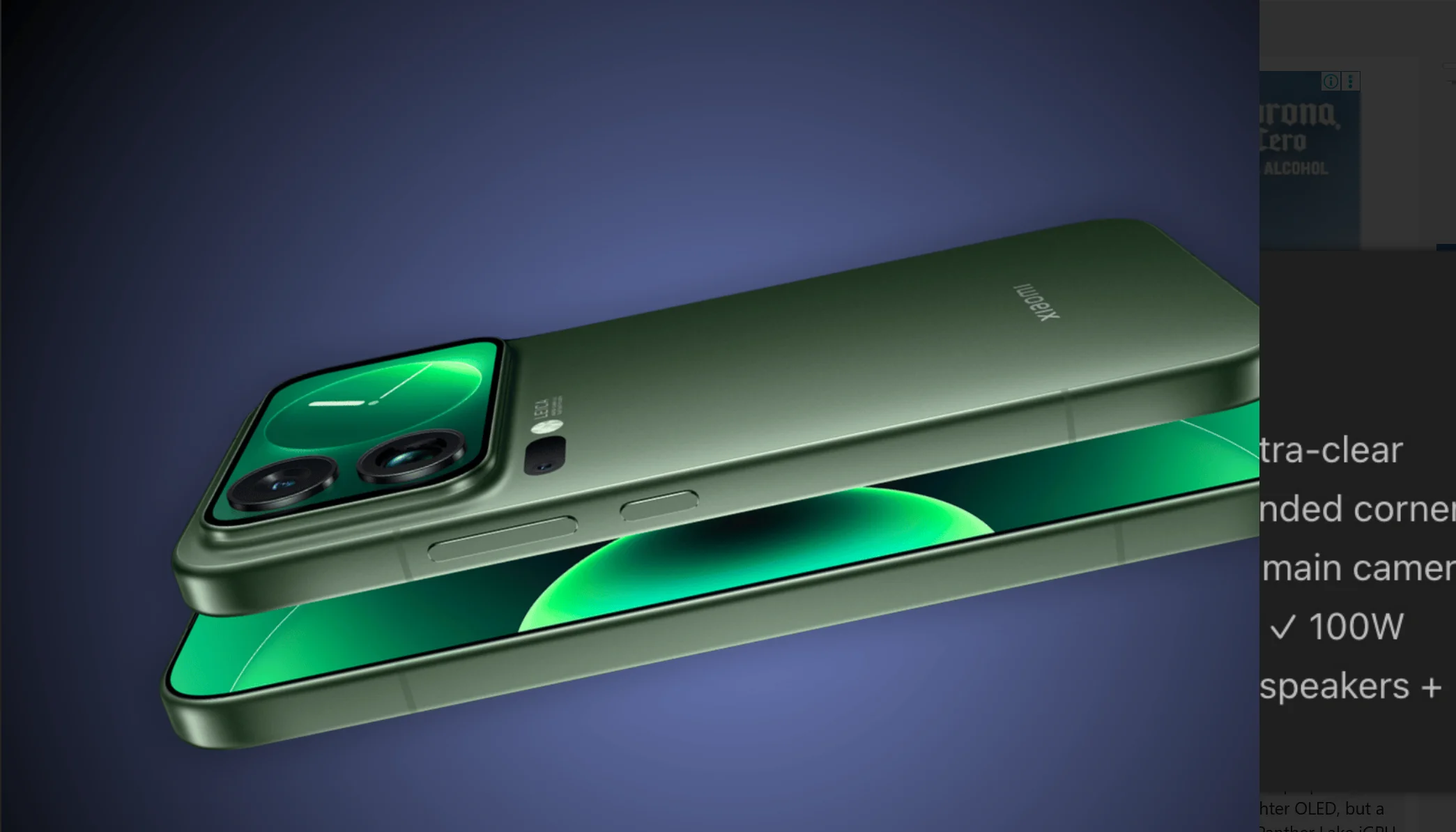
- Models: Xiaomi 18, 18 Pro, and a potential 18 Pro Max (replacing the traditional ‘Ultra’ moniker).
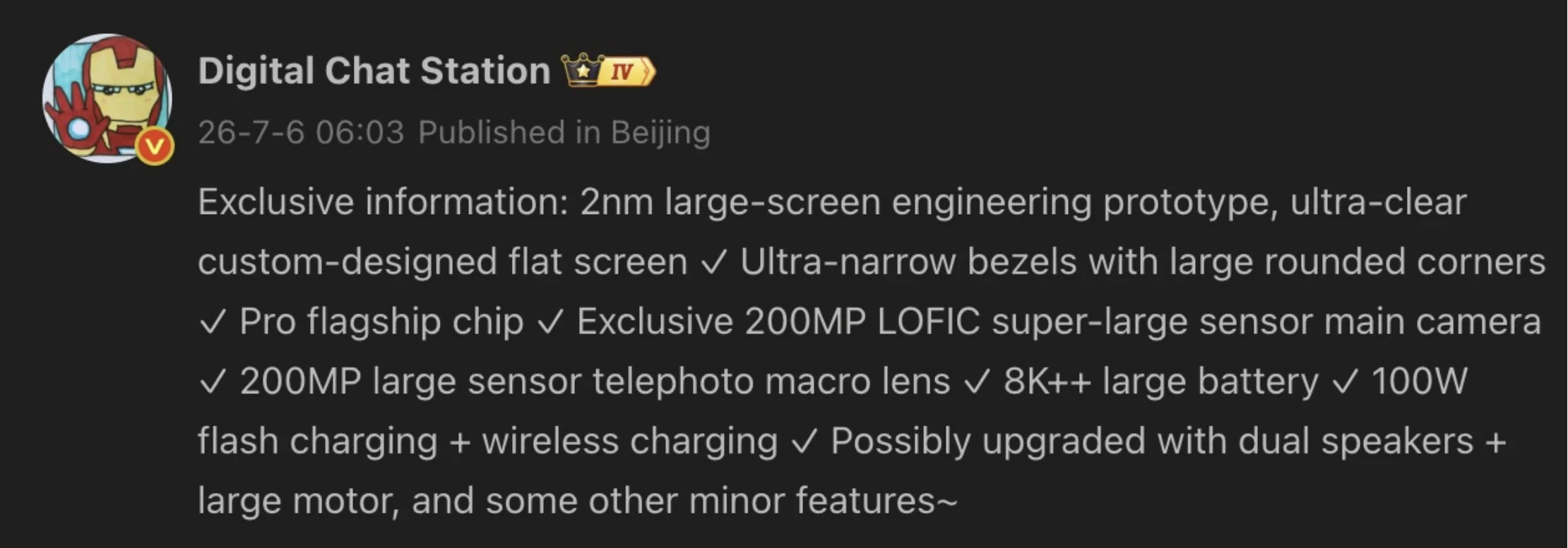
- Cameras: Dual 200MP Leica sensors across multiple models, possibly featuring LOFIC technology for improved dynamic range.
- Battery: Large capacity batteries ranging from 6500mAh to 8000mAh in global variants.
- Processor: The cutting-edge Snapdragon 8 Elite Gen 6.
- Software: HyperOS 4, with deeper AI integration.
- Display: Advanced LTPO panels, with rumors of a secondary display on the Pro model.
On paper, this sounds incredible. For the average user, a massive battery means less charger anxiety, 200MP cameras promise sharper details and better zoom, and a top-tier processor ensures the phone will feel relevant for at least 4-5 years. But the big question remains: is all of this truly necessary for most people?
The Evolution of Pricing: The Sudden Jump Nobody Expected
This is where the average user’s wallet starts to feel the pinch.
- Xiaomi 13: Launched around €999 (base model in Europe).
- Xiaomi 14: Similar or slightly higher launch prices, but the premium positioning of the Pro and Ultra models pushed their costs up significantly, especially considering inflation and the feature upgrades.
- Subsequent Series: Entry-level prices for the top-tier models have increasingly approached the €900-€1100 mark.
A Quick Price Comparison
- Samsung Galaxy S Series: The S23 Ultra was around €1200-€1400. Subsequent S24, S25, and S26 series have maintained or increased these prices, with a strong focus on AI (Galaxy AI) and premium materials.
- Apple iPhone: Apple has consistently commanded premium pricing. An iPhone 16 Pro Max can easily exceed €1400-€1600, with price adjustments sometimes driven by currency fluctuations.
The entire mobile market has seen clear price inflation between 2023 and 2026. Several factors contribute to this:
- Component Costs: Advanced AI memory, sophisticated camera sensors, and brighter displays all come at a higher price.
- R&D Investment: Significant investment is required for generative AI development and next-generation connectivity like 5G and 6G.
- Supply Chain Issues: Geopolitical factors continue to affect global supply chains, leading to increased costs.
- Premium Positioning: Brands are increasingly positioning themselves in the “premium” segment to justify higher profit margins.
Xiaomi, once the undisputed king of value, has had to raise prices to fund partnerships like Leica, incorporate better materials, and compete effectively at the high end. The consequence? A flagship Xiaomi no longer feels like the bargain it once was. A user who happily paid €600-€800 for a great phone in 2022 might now be looking at bills exceeding €900, with upgrades that don’t always feel proportionally significant.
Is Buying the Latest Model Necessary, or is it Just FOMO?
FOMO – the Fear Of Missing Out – is the real villain here. Brands and social media constantly bombard us with claims of “the best processor,” “revolutionary cameras,” and “life-changing AI.” But for the average user, how much of this translates into a genuinely better daily experience?
Benefits of Buying the Xiaomi 18 Series
- Superior Battery and Efficiency: Fewer daily charges and less battery anxiety.
- Enhanced Cameras: More impressive family photos and travel memories.
- Extended Software Support: Longer access to the latest features and security updates.
- Future-Proofing: Better performance for upcoming games and demanding applications in 2028-2030.
- Faster Global Release: Less waiting time for international markets.
Downsides and Reasons to Wait or Choose Older Models
- Opportunity Cost: For the €1000-€1300 price tag, you could potentially buy an excellent Xiaomi 16 or 17 Pro at a discounted price, plus accessories, or even a high-end mid-ranger that covers 90% of your needs.
- Underutilization of Hardware: Most users don’t push their phones to their absolute limits. If you’re not editing 8K video, gaming at max settings, or using the 10x zoom daily, a model from two generations ago is likely more than sufficient.
- Software Updates: HyperOS has seen significant improvements, and older models often receive long-term software support.
- Depreciation: High-end flagships lose value quickly. While buying top-tier and selling after two years minimizes loss, it requires financial discipline.
Practical Advice for the Normal User
- If your current phone is less than 3 years old and works well: Don’t rush to buy. Wait for the Xiaomi 18 series to drop in price by 2027.
- If battery life and camera quality are your top priorities: Consider a discounted Xiaomi 16 or 17 Pro.
- If you want the latest and have the budget: The Xiaomi 18 Pro Max seems like a balanced option, potentially avoiding the extreme cost of a hypothetical “Ultra” variant.
Technological progress is undeniable, but the pace of improvement has slowed. We’ve moved from massive leaps between 2018 and 2022 to more iterative refinements. Marketing hype tends to amplify these changes, making them seem more significant than they are for the average user.
Conclusion: Real Value vs. Marketing Hype
Xiaomi has successfully transitioned from a disruptive value brand to a serious premium competitor. The upcoming 18 series promises to be one of their most ambitious yet, with an accelerated global launch that should benefit users worldwide. However, the overall price increase across the smartphone market makes the purchasing decision more complex.
For the everyday user, there’s rarely a need to rush for the absolute latest model. A high-end phone from one or two generations ago, especially when well-maintained, offers an unbeatable value proposition today. Resist the FOMO: critically assess your actual needs. What do you use your phone for most? Photos, gaming, productivity, battery life? Often, investing in a good case, screen protector, or even a portable power bank can bring more daily satisfaction than upgrading to the next generation.
The smartphone market has matured significantly. While generational differences are less dramatic than before, prices have certainly climbed. Xiaomi remains one of the best options for value, particularly if you’re willing to wait for discounts. The Xiaomi 18 will undoubtedly be a fantastic device, but it’s unlikely to revolutionize your daily routine in a way that justifies a top-tier price tag for everyone.
What are your thoughts? Are you eyeing a new phone, or are you just analyzing the options? Technology marches on, but your budget and real-world needs should always be the deciding factors.
2 thoughts on “Xiaomi Flagship Evolution: 13 to 18 – Worth the Leap?”