Xiaomi Offline Communication: Your Ultimate Guide
Unlocking True Connectivity: Your Deep Dive into Xiaomi Offline Communication
In a world constantly buzzing with notifications, losing your cell signal can feel like being stranded. Whether you’re scaling a mountain, lost in a rural wonderland, or amidst the electrifying chaos of a massive concert, a dead zone is a real buzzkill. But what if your phone could talk without any towers? Enter Xiaomi Offline Communication, an innovative feature that promises to keep you connected when all else fails.
What Exactly is Xiaomi Offline Communication?
At its core, Xiaomi Offline Communication is a fascinating piece of tech that lets compatible Xiaomi smartphones talk directly to each other, no cellular signal, Wi-Fi, or mobile data required. Think of it as a super-powered, built-in walkie-talkie, but way more sophisticated. It first appeared in the Xiaomi 15T series back in September 2025 and has since trickled down to more affordable models like the Redmi Note 15 Series in early 2026. This technology is a genuine game-changer for communication in those tricky, out-of-the-way places.
The Nitty-Gritty: How it Works
Xiaomi describes this as “a near-field voice communication technology that combines Bluetooth with a proprietary protocol.” Unlike your typical calls that rely on cell towers or internet-based Voice over IP (VoIP), Xiaomi Offline Communication creates a direct link between two devices. It’s all seamlessly integrated into HyperOS, Xiaomi’s custom skin on top of Android.
Key Features at a Glance:
- Voice Only: It’s strictly for real-time audio calls. Don’t expect to send texts, photos, or videos with this.
- Xiaomi Exclusive: Currently, this feature is only for Xiaomi-certified devices. You won’t be chatting offline with your friend’s Samsung or Apple phone (at least not natively).
- Specialized Hardware: This isn’t just software magic. It requires a beefed-up Bluetooth antenna and a special chip – the Xiaomi Surge T1S (or its successors) – which significantly boosts Bluetooth, Wi-Fi, and GPS performance.
- Part of a Bigger Picture: It’s a component of the broader “Astral Communication” ecosystem, aimed at optimizing various connectivity scenarios.
- Not for Emergencies: Xiaomi is very clear about this. It’s not a substitute for life-saving services like satellite SOS features or professional emergency equipment.
Diving Deeper: The Technical Breakdown
So, how does Xiaomi manage to extend Bluetooth’s reach so dramatically? It’s a clever combination of hardware and software:
- Supercharged Bluetooth: Standard Bluetooth typically ranges from 10 to 100 meters. Xiaomi takes this and multiplies it.
- High-Gain Antenna & Advanced Arrays: Compatible models boast a “Super Antenna Array.” This isn’t just a fancy name; it’s designed to optimize signal transmission no matter how you’re holding your phone.
- Proprietary Protocol: It’s not just standard Bluetooth or Bluetooth Low Energy (LE). Xiaomi blends elements of both with their own custom protocol to achieve greater distance and a more stable voice connection.
- The Surge T1S Tuner Chip: This little powerhouse, found in devices like the Xiaomi 15T series and Redmi Note 15 Pro models, acts like a radio frequency wizard. It dynamically adjusts signal power and direction to maximize range.
- Direct Device-to-Device Connection: There are no servers or external infrastructure involved. The two phones find each other and establish a direct link.
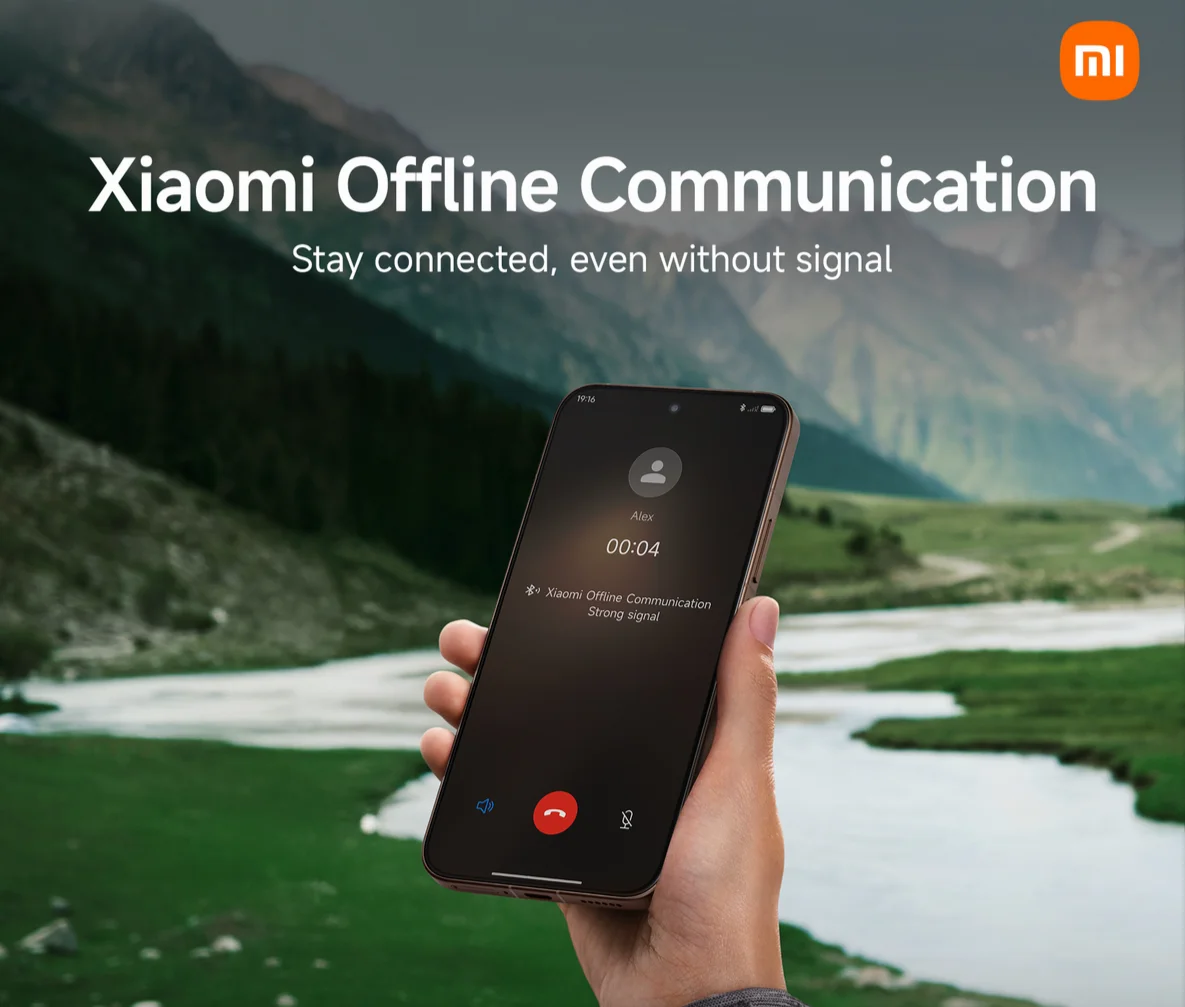
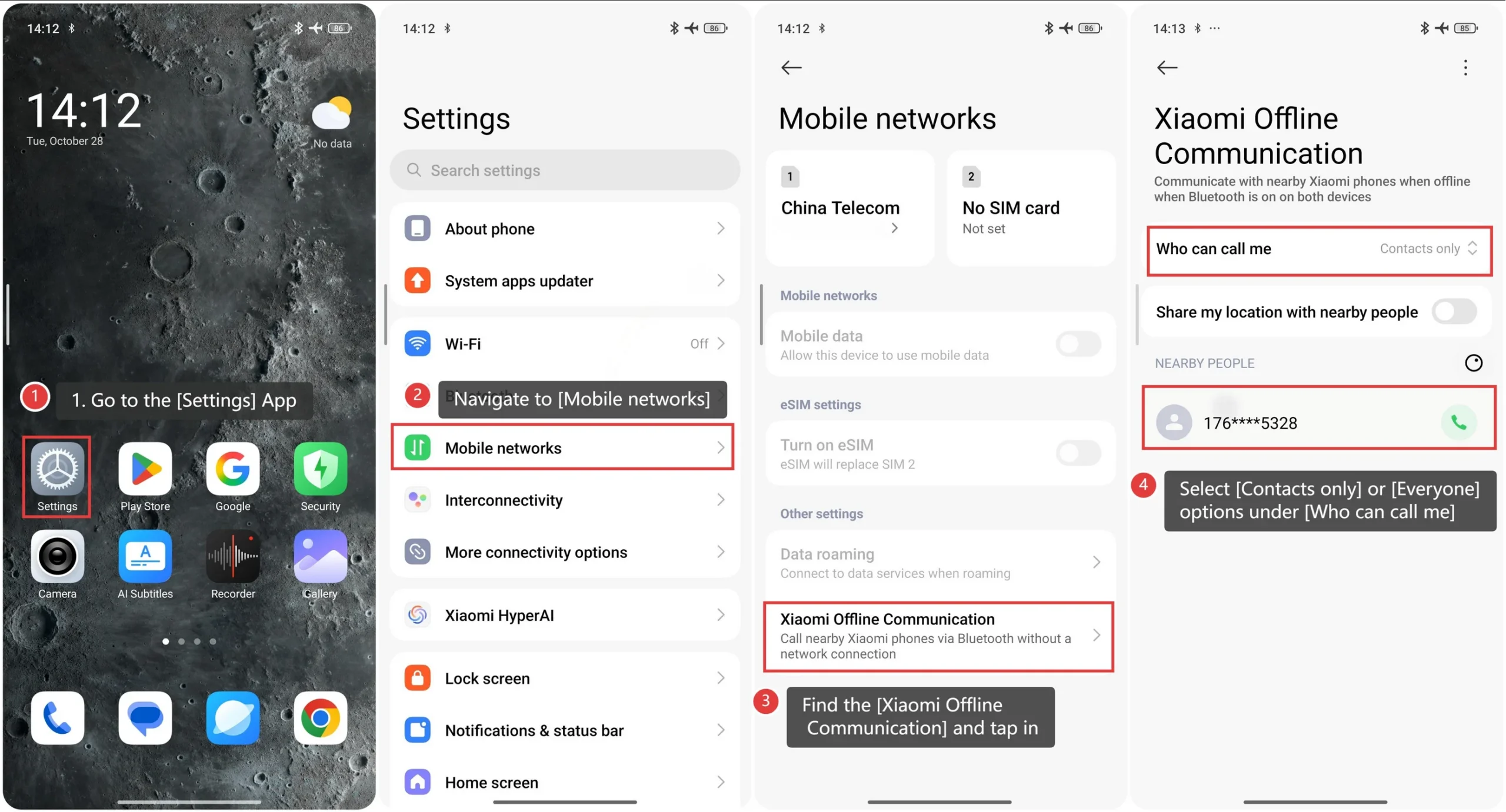
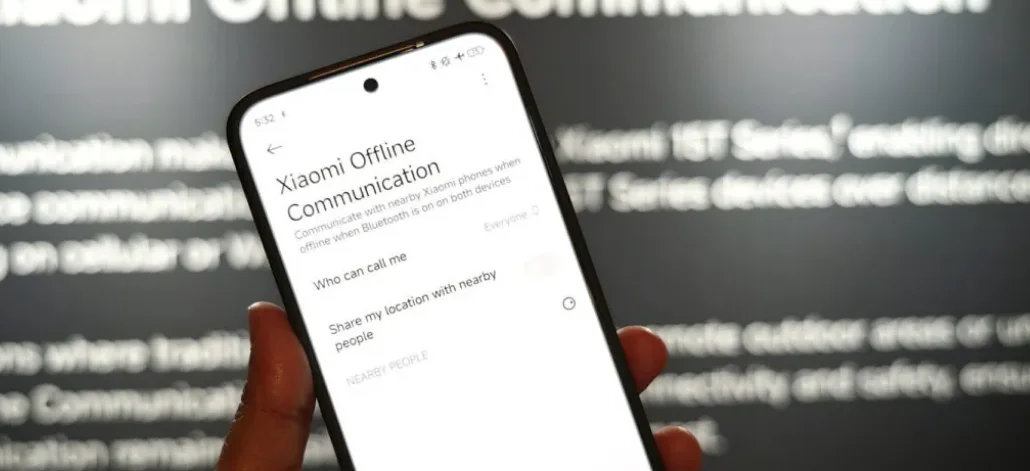
In practice, using it is pretty straightforward. You’ll open your Phone app, select a compatible contact, and tap an “Offline Call” option. The interface usually shows signal waves and a timer, much like a regular call.
tech news
Getting Connected: What You Need
To get your offline chat on, there are a few hoops you’ll need to jump through:
- Compatible Devices: Both phones involved must be on the official compatibility list. This includes the Xiaomi 15T, 15T Pro, and various Redmi Note 15 Pro models. Future series like the Xiaomi 17 or POCO F8 Pro are also expected to support it.
- Updated Software: You’ll need HyperOS 2 or a newer version. The feature rolled out via Over-The-Air (OTA) updates starting September 24, 2025, for the 15T series.
- SIM Card Required: Even if you have zero signal, a SIM card needs to be inserted. It’s used for verification and security purposes.
- Xiaomi Account Logged In: Both devices need to be signed into your Xiaomi account.
- Bluetooth Enabled: Make sure Bluetooth is switched on, but here’s a crucial point: you can’t use Bluetooth headphones for these calls. Xiaomi prioritizes low latency and stability in these non-critical emergency scenarios.
- Within Range: You have to be close enough for the devices to detect each other.
Real-World Range: What to Expect
Xiaomi throws some impressive numbers around in ideal lab conditions. They claim:
- Xiaomi 15T Pro: Up to 1.9 km (1.18 miles)
- Xiaomi 15T: Up to 1.3 km (0.8 miles)
- Redmi Note 15 Series (Pro/Pro+): Around 1.5-1.9 km (0.9-1.18 miles)
- Other Models (POCO F8 Pro/Ultra): Up to 1.5 km (0.9 miles)
However, as many users and tech reviewers (like those at Tech Advisor and Android Authority) have found, real-world performance is often a bit more modest:
- Open Fields (No Obstacles): You might achieve 500-1200 meters (0.3-0.75 miles).
- With Trees, Hills, or Buildings: Expect this to drop significantly to 200-400 meters (0.12-0.25 miles).
- Indoors or Dense Urban Areas: The range can shrink drastically, sometimes to less than 100 meters (0.06 miles).
Also, keep in mind that the voice quality won’t match a crystal-clear regular call. There’s more compression and potential latency because the priority is staying connected, not hi-fi audio.
When Does It Make Sense to Use It?
Xiaomi suggests this feature is perfect for:
- Hiking and Camping: When you venture off the beaten path and cell towers are a distant memory.
- Large Events: Concerts, festivals, or sporting events where the sheer number of people overwhelms the cellular network.
- Rural Travel: Navigating through remote areas where coverage is patchy at best.
- Group Coordination: Keeping in touch with your travel buddies during outdoor adventures.
It’s a fantastic tool if your entire group is rocking compatible Xiaomi devices. If you’re the only one, its utility diminishes.
Xiaomi Offline Communication
The Limits and How It Stacks Up
While Xiaomi Offline Communication is a neat trick, it’s essential to understand its boundaries:
- Voice Only, Xiaomi Only: Unlike satellite communication services found on some iPhones or premium Androids, it doesn’t offer global coverage or true emergency SOS functionality.
- No Interoperability: Other brands like OPPO and OnePlus have similar proprietary tech (like BeaconLink), but they don’t play nicely together.
- Regional Restrictions: For various reasons, it might not be available in every country.
- Battery Drain: Pushing the signal further naturally consumes more battery than standard Bluetooth. You can read more about battery optimization in our guide to Xiaomi battery saving tips.
The Verdict: Is it Worth It?
Xiaomi Offline Communication isn’t going to rewrite the book on everyday smartphone calls. However, it carves out a valuable niche for itself. In a market that largely relies on external infrastructure, Xiaomi’s ability to combine custom hardware (antennas and Surge chips) with their HyperOS software to create practical tools for real-world scenarios is commendable.
For hikers, adventurous travelers, or anyone who values staying connected in remote areas, this is a genuinely attractive and uncommon feature, especially in the mid-range market. It’s a testament to Xiaomi’s dedication to innovative smartphone technology that goes beyond just cameras and battery life. While its limitations – variable range, ecosystem exclusivity, and not being a genuine emergency lifeline – are important to note, it’s a solid “nice-to-have.” As Xiaomi likely expands compatibility to more models in the coming years, this feature could become a standard part of the Xiaomi experience.