Xiaomi Smart Band 11 vs Smart Band 10: Is the Upgrade Worth It? Full Specs & Review
The wait is finally over. On September 4-5, 2026, Xiaomi officially unveiled the Xiaomi Smart Band 11 in China. For millions of users worldwide who rely on Xiaomi’s affordable fitness trackers, this launch raises a critical question: Is the Smart Band 11 a revolutionary leap forward, or just a minor refresh?
If you are currently using the Smart Band 10, you might be tempted to upgrade immediately. However, after analyzing the technical specifications, design changes, and new software features, the answer is more nuanced. The Smart Band 11 is not a radical redesign; it is a refined evolution. It keeps the beloved 1.72-inch form factor but introduces significant improvements in display brightness, build quality, and health tracking intelligence via HyperOS 4.
In this comprehensive guide, we will break down every difference between the Xiaomi Smart Band 11 and its predecessor, analyze the real-world impact of the new HRV sleep tracking, and help you decide if you should buy now or wait for the global release.
Quick Verdict: Should You Upgrade?
Before diving into the technical details, here is our quick summary for different types of users:
- For Smart Band 10 Owners: If your current band is working well, skip this generation. The improvements are incremental (brighter screen, slightly thinner body, better sleep insights). Unless you specifically need HRV data or struggle with screen visibility in direct sunlight, the Smart Band 10 remains an excellent device.
- For Smart Band 8/9 or Older Users: Yes, upgrade. The jump in sensor accuracy, battery efficiency, and the new HyperOS 4 ecosystem integration makes the Band 11 a worthy successor.
- For First-Time Buyers: The Smart Band 11 is the best entry point into the Xiaomi wearable ecosystem right now, offering the latest sensors and longest future software support.
Key Improvements: What’s New in Xiaomi Smart Band 11?
Xiaomi has focused on three main pillars for the 11th generation: Visibility, Comfort, and Intelligence.
1. Display Brightness Boost: 2,000 Nits
The most noticeable physical change is the display. While both bands feature a 1.72-inch AMOLED panel with a resolution of 212 × 520 pixels, the Smart Band 11 pushes the peak brightness to 2,000 nits, up from 1,500 nits on the Band 10.
Why does this matter?
If you run outdoors, cycle in bright daylight, or work under strong office lighting, the extra 500 nits make a tangible difference. Text becomes sharper, and notifications are readable without having to shade the screen with your hand. The bezels remain slim at 2mm, maintaining the immersive “full-view” experience Xiaomi pioneered.
2. Thinner and Lighter Design
Xiaomi has managed to shave off nearly 1mm of thickness and reduce the weight, making the Band 11 one of the most comfortable wearables on the market.
- Thickness: Reduced from 10.95 mm (Band 10) to 9.99 mm (Band 11).
- Weight: The metal version now weighs just 15.58 g (without strap), compared to 15.95 g on the previous model.
This reduction might seem small on paper, but when wearing a device 24/7 for sleep tracking, every gram counts. The slimmer profile also means it slides under shirt cuffs more easily, improving its suitability for formal wear.
3. Advanced Health Tracking: HRV and AI Insights
The biggest software-driven hardware upgrade is in health monitoring. The Smart Band 11 introduces Heart Rate Variability (HRV) tracking during sleep, paired with AI-driven interpretations.
- What is HRV? HRV measures the variation in time between each heartbeat. It is a key indicator of your nervous system’s balance, stress levels, and recovery status.
- AI Recommendations: Unlike the Band 10, which provided basic sleep scores, the Band 11 uses HyperOS 4 to analyze your HRV data and offer personalized recommendations. For example, if your HRV is low, indicating high stress or poor recovery, the app might suggest lighter workouts or earlier bedtime routines.
Additionally, Xiaomi claims improvements to the PPG sensors for both Heart Rate and SpO₂ (blood oxygen) monitoring, promising greater accuracy during high-intensity interval training (HIIT).
4. HyperOS 4 Integration
The Smart Band 11 runs on HyperOS 4, Xiaomi’s unified operating system. This brings smoother animations, faster connectivity, and notably, improved iOS compatibility. Historically, Xiaomi bands have had limited functionality on iPhones compared to Android. HyperOS 4 aims to bridge this gap, ensuring a more seamless experience for Apple users, including better notification handling and widget support.
Detailed Specifications Comparison: Smart Band 11 vs Smart Band 10
To help you visualize the differences, here is a side-by-side comparison of the technical specifications.
| Feature | Xiaomi Smart Band 11 | Xiaomi Smart Band 10 |
|---|---|---|
| Display | 1.72″ AMOLED, 212×520 px | 1.72″ AMOLED, 212×520 px |
| Peak Brightness | 2,000 nits | 1,500 nits (HBM) |
| Dimensions | ~46.5 x 22.5 x 9.99 mm | 46.57 x 22.54 x 10.95 mm |
| Weight (Body Only) | 15.58 g (Metal) | 15.95 g (Metal) / 23.05 g (Ceramic) |
| Battery Capacity | 233 mAh | 233 mAh |
| Battery Life | Up to 21 days (Typical) | Up to 21 days (Typical) |
| Charging Time | ~1 Hour (Magnetic) | ~1 Hour (Magnetic) |
| Water Resistance | 5 ATM (50 Meters) | 5 ATM (50 Meters) |
| Sports Modes | 150+ | 150+ |
| Health Sensors | Improved PPG (HR/SpO₂), HRV, Accelerometer | PPG (HR/SpO₂), Accelerometer, Gyro |
| Sleep Tracking | Professional + HRV + AI Insights | Standard + 21-Day Plan |
| Connectivity | Bluetooth (Latest Gen), HyperOS 4 | Bluetooth 5.4, HyperOS |
| GPS | Connected GPS (Phone Required) | Connected GPS (Phone Required) |
| NFC | Optional (China Version) | Optional (China Version) |
| Launch Price (China) | From 289 CNY (~$43 USD) | From 269 CNY (~$40 USD) |
(Note: Prices are based on the initial Chinese launch. Global pricing may vary due to taxes and import duties.)
Deep Dive: Battery Life and Real-World Performance
One concern many users have is whether the brighter screen and new sensors drain the battery faster. Xiaomi states that the battery capacity remains unchanged at 233 mAh, and the advertised battery life is still up to 21 days under typical usage.
What is “Typical Usage”?
- Heart rate monitoring enabled.
- Sleep tracking enabled.
- Notifications received.
- 30 minutes of exercise per week.
- Always-On Display (AOD) disabled.
If you enable AOD, expect the battery life to drop significantly, likely to around 9-10 days, similar to the Band 10. However, the charging speed remains efficient, with a full charge taking approximately one hour via the proprietary magnetic pogo-pin charger.
Pro Tip: To maximize battery life on the Smart Band 11, disable “Raise to Wake” if you don’t use it often, and limit high-frequency heart rate monitoring to workout sessions only.
Design and Build Quality: Metal vs. Ceramic
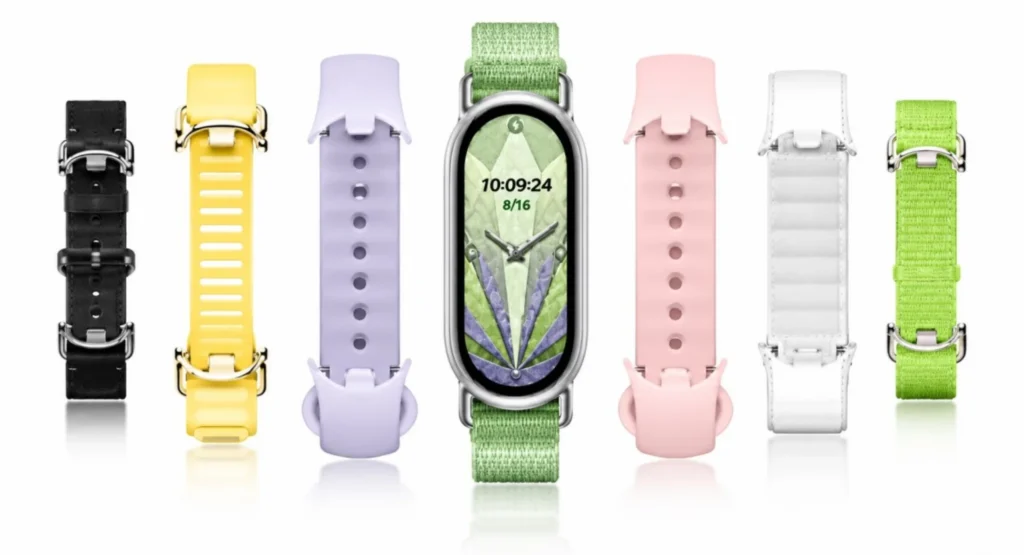
Xiaomi continues to offer multiple material options. The standard version uses an aluminum alloy frame, which is lightweight and durable. For those seeking a more premium feel, a Ceramic edition is available, though it is slightly heavier.
The new slimmer profile of the Band 11 (9.99 mm) makes it less obtrusive. The strap mechanism remains compatible with previous generations? Note: Xiaomi often changes strap connectors slightly. While many third-party straps may fit, it is recommended to check compatibility before buying old stock straps.
The device retains its 5 ATM water resistance, meaning you can swim with it, shower with it, and use it in the rain without worry. However, avoid hot showers or saunas, as steam can damage the seals over time.
Software Experience: HyperOS 4 and Mi Fitness
The companion app, Mi Fitness, receives a major update alongside the hardware. With HyperOS 4, the interface is cleaner, and data synchronization is faster.
Key Software Features:
- AI Sleep Coach: Uses HRV data to provide actionable advice.
- Stress Monitoring: Continuous all-day stress tracking with breathing exercises.
- Women’s Health Tracking: Enhanced cycle prediction and logging.
- iOS Enhancements: Better widget support and quicker notification mirroring for iPhone users.
The lack of built-in GPS remains a limitation for serious runners who prefer not to carry their phones. However, for the average user who jogs in urban areas or uses gym equipment, connected GPS via your smartphone is sufficient.
Price and Availability
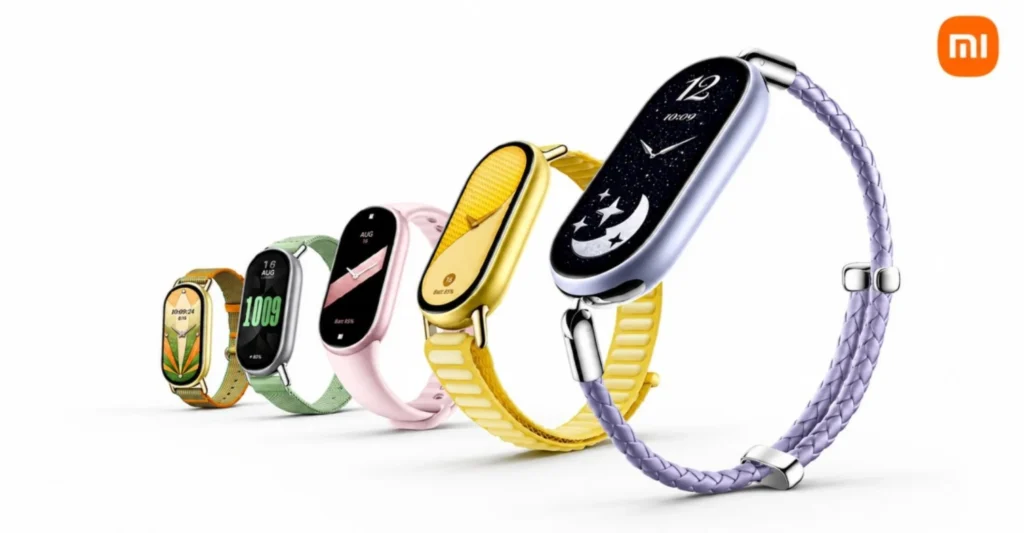
The Xiaomi Smart Band 11 launched in China on September 4-5, 2026.
- Standard Version: 289 CNY (~$43 USD)
- NFC Version: 339 CNY (~$50 USD)
- Premium/Ceramic Version: 399 CNY (~$59 USD)
Global Release Date: As of today, September 6, 2026, there is no official global launch date. Based on previous patterns, we can expect a global release in October or November 2026. Prices in Europe and the US will likely be higher due to VAT and distribution costs, potentially ranging from €50-€70 or $60-$80.
Final Thoughts: Is the Xiaomi Smart Band 11 the Best Budget Tracker?
The Xiaomi Smart Band 11 solidifies Xiaomi’s position as the king of budget fitness trackers. It doesn’t try to reinvent the wheel; instead, it polishes it. The 2,000-nit display is a game-changer for outdoor visibility, and the addition of HRV tracking brings it closer to premium smartwatches in terms of health insights.
However, it is not a must-buy for Smart Band 10 owners. The core experience—tracking steps, sleep, and workouts—remains largely the same. But if you are coming from an older model, or if you are buying your first fitness band, the Smart Band 11 is the best value proposition on the market in late 2026.
Wait for the global release if you are outside China, and keep an eye out for bundle deals that include extra straps, which Xiaomi often offers during launch promotions.
Frequently Asked Questions (FAQ)
Q: Does the Xiaomi Smart Band 11 have built-in GPS?
A: No, it relies on connected GPS from your smartphone.
Q: Is the Smart Band 11 compatible with iPhone?
A: Yes, it works with iOS 14.0 and above. HyperOS 4 has improved iOS compatibility significantly.
Q: Can I swim with the Xiaomi Smart Band 11?
A: Yes, it has a 5 ATM water resistance rating, suitable for swimming in pools and shallow water.
Q: How long does the battery last?
A: Up to 21 days with typical use. With Always-On Display enabled, it lasts around 9-10 days.
Q: When will the Smart Band 11 be available in the US/Europe?
A: An official date has not been announced, but historical trends suggest a Q4 2026 release (October-November).
Disclaimer: This article is based on information available at the time of writing. Specifications and prices may vary by region. Always follow the manufacturer’s guidelines for device care. We are not responsible for any damage caused to devices due to improper use or third-party modifications.