HyperOS 4: What’s Actually Confirmed, What’s a Solid Rumor, and What’s Still Speculation
If you followed the HyperOS 3 news cycle, and remember how confusing it got, with launch dates shifting from article to article and conflicting “excluded devices” lists, here’s some good news. HyperOS 4 comes with a lot less uncertainty than social media chatter suggests. Xiaomi has officially announced it, the beta is already running in China, and we know, by name, which two models are missing out.
Let’s break it down: what Xiaomi has confirmed as fact, what’s a rumor backed by solid sourcing, and what’s still speculation that shouldn’t be treated as settled yet.
What’s Confirmed: Dates and Technical Foundation
Xiaomi officially unveiled HyperOS 4 on August 13, 2026, running on Android 17. This isn’t a leak or a “coming soon.” It already happened, and the China beta has been rolling out in three waves since, from August 14 through September 17.
Here’s the timeline the company is working with:
- China: beta since August 14, in three batches through mid-September.
- Global: typically announced a few weeks after China. HyperOS 3 followed the same pattern, launching in China in August and going global in September.
- Stable rollout to older devices: targeted for October 2026.
In the meantime, the newest flagships have already been receiving HyperOS 3.3, a bridge update that brought Android 17 ahead of HyperOS 4’s full design overhaul.
The Design Overhaul: “Soft Light Glass”
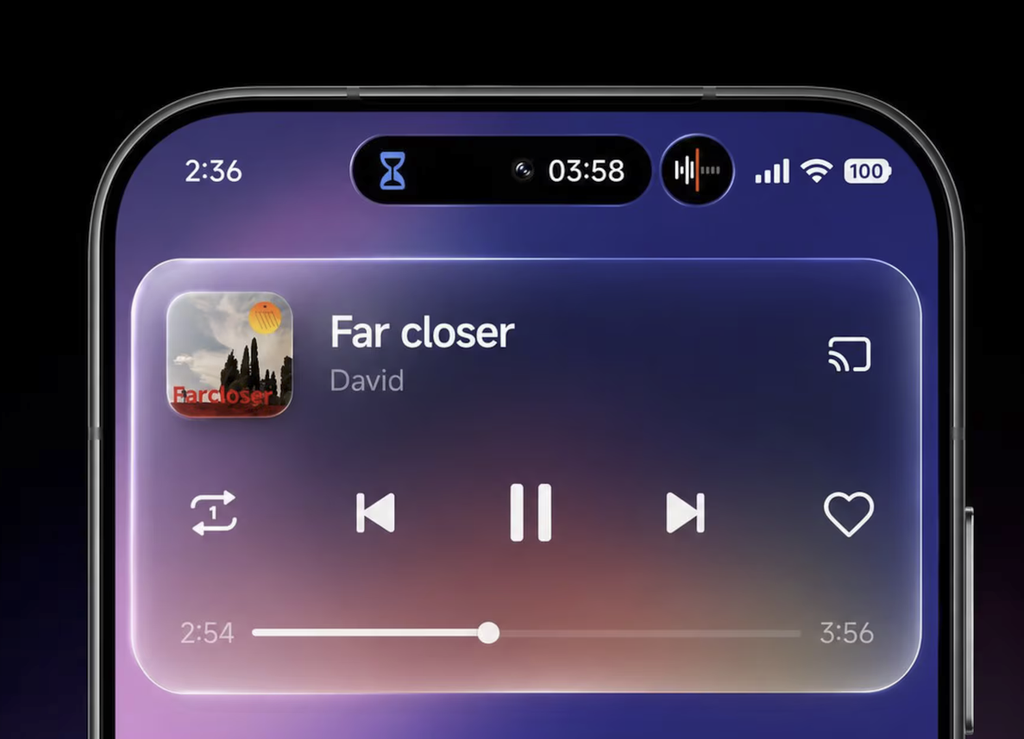
The most visible change in HyperOS 4 is a translucent glass aesthetic, Xiaomi calls it “Soft Light Glass,” with semi-transparent surfaces, smoother animations, and light-refraction effects across menus and widgets. This is the same design language we covered when it first leaked as Liquid Glass UI, now official under a new name. It also brings:
- A lock screen with more customization: clock, notifications, folder sizing.
- Smoother transitions between portrait and landscape.
- AI-driven productivity features, building on what HyperOS 3 already introduced.
One important catch: Soft Light Glass isn’t universal. Xiaomi initially limited it to Snapdragon 8 Elite+, Dimensity 9500, or its own Xring O1/O3 chips. It later widened that list because it excluded too many devices, but the underlying point stands. Even among phones “eligible” for HyperOS 4, not everyone gets the full visual experience.
Who’s Left Out (This One’s Confirmed)
Unlike the HyperOS 3 cycle, where third-party “excluded devices” lists were noisy and often contradicted each other, this time there are two confirmed cases, directly:
- Redmi Note 14 5G
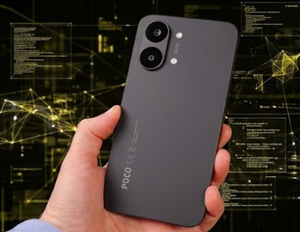
- POCO M7 Pro 5G
Both launched with Android 14 and a promise of only two major Android updates. That quota runs out with HyperOS 3, so they’re skipping HyperOS 4 regardless of what else changes.
The Well-Sourced Rumor: No Android 16 Devices at All
This is where things get less certain, though not dismissible. According to an early-September 2026 report citing internal Xiaomi records, out of 112 devices slated for Android 17, 108 have already entered internal testing for HyperOS 4, and none of the devices staying on Android 16 appear on that list. That suggests Xiaomi may not be building a HyperOS 4 version for phones that don’t reach Android 17 at all, a harder line than previous cycles. HyperOS 3.0, for instance, did reach some Android 15 devices.
If that holds, the real “not eligible” list for HyperOS 4 will end up longer than several outlets estimated earlier this year.
What’s Still Speculation
A couple of bolder claims are floating around international coverage, backed by thinner sourcing:
- A “HyperOS 26”-style rebrand. This one’s already settled, and not in the rebrand’s favor: leaked internal Mi Code strings from earlier this year confirmed Xiaomi was sticking with the traditional numbering, and the August 13 announcement locked it in as HyperOS 4, not a year-based name. Worth knowing the rumor existed, but there’s nothing left to speculate on here.
- A “Zero Legacy” rewrite, which some reports claim eliminates all remaining MIUI-era code and rebuilds core apps in Rust and Flutter. Xiaomi has referenced moving toward Rust-based system components, but a full architectural rewrite of this scale hasn’t been confirmed in those exact terms. Treat it as plausible, not settled.
If you see either claim repeated as official elsewhere, it’s worth checking the original source before taking it at face value.
So, What’s the Realistic Picture for HyperOS 4?
Based on what’s confirmed as of today (September 12, 2026):
- The rollout is already underway, not a future promise. The China beta has been running for nearly a month.
- The design overhaul is real and visible (Soft Light Glass), but staggered by hardware tier.
- The global rollout should land within the next few weeks, with most older devices getting it in October.
- The “who’s excluded” list is likely longer than expected, possibly ruling out every device stuck on Android 16.
- The rest, like the “Zero Legacy” rebuild, is worth following, but shouldn’t be treated as confirmed yet.
As always, the best individual gauge is the usual one: Settings > About Phone > System Update, and checking which beta wave your specific model falls into before drawing conclusions about the stable rollout.