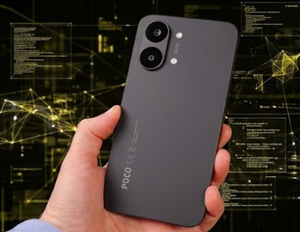
Redmi Note 14 Pro 5G Review 2026: Still a Mid-Range Champion?
It’s February 2026, and I’ve been living with the Redmi Note 14 Pro 5G, or as most of us casually call it, the Redmi 14 Pro, for well over a year. My daily grind involves a lot of streaming, snapping pics, dabbling in light gaming, and, let’s be honest, endless scrolling. I bought this phone expecting that solid value Xiaomi is known for, especially in their Redmi Note line, but with a little extra oomph in durability and camera smarts. Mostly, it delivered, but there are a few quirks that remind you it’s not a perfect, futuristic device, even in 2026.
First Impressions: Premium Feel, Practical Design
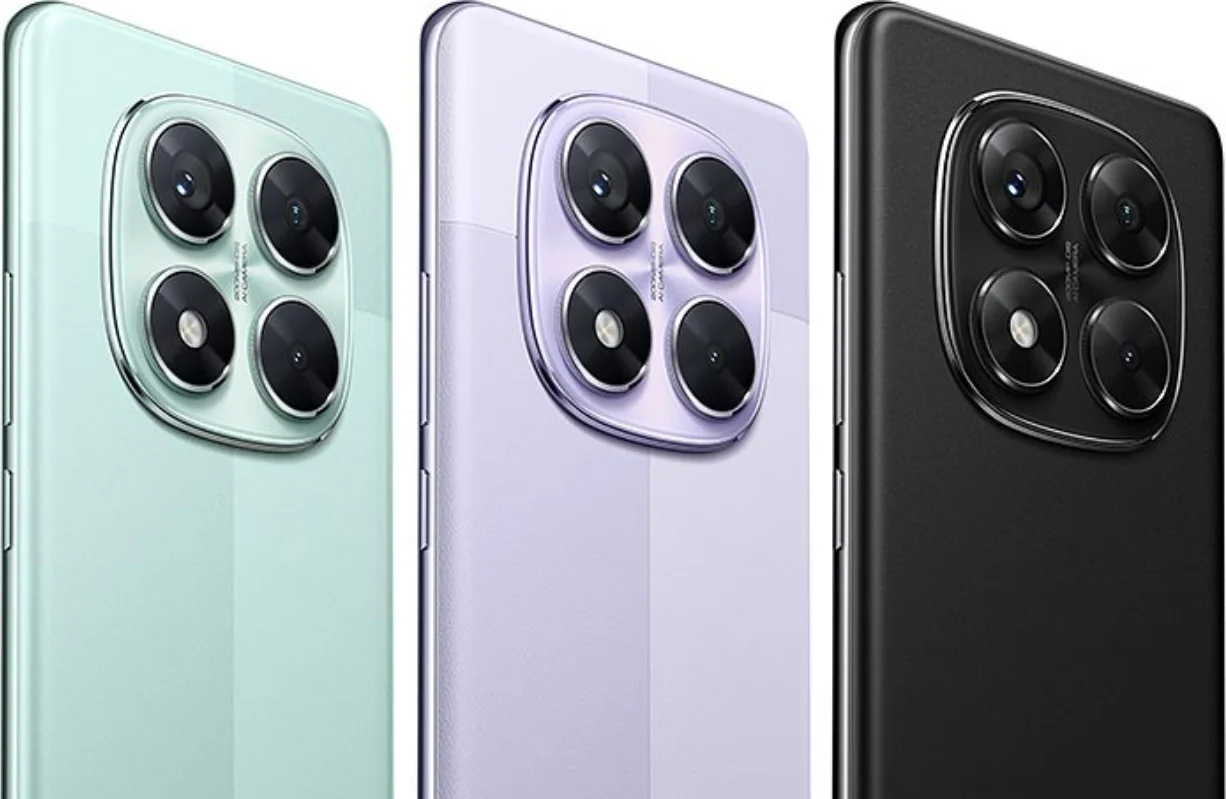
I snagged the 12GB RAM + 512GB variant in that rather fetching Coral Green color. The €400 price tag (that’s global pricing, folks) felt like a steal, and a year later, it’s held up like a champ. No major scratches on the Gorilla Glass Victus 2 front, and the IP68 rating has been a lifesaver. I’ve fumbled it onto concrete a couple of times (oops!), and it’s survived the occasional rain shower and poolside splash without a hiccup.

Design and Build Quality: Punching Above Its Weight
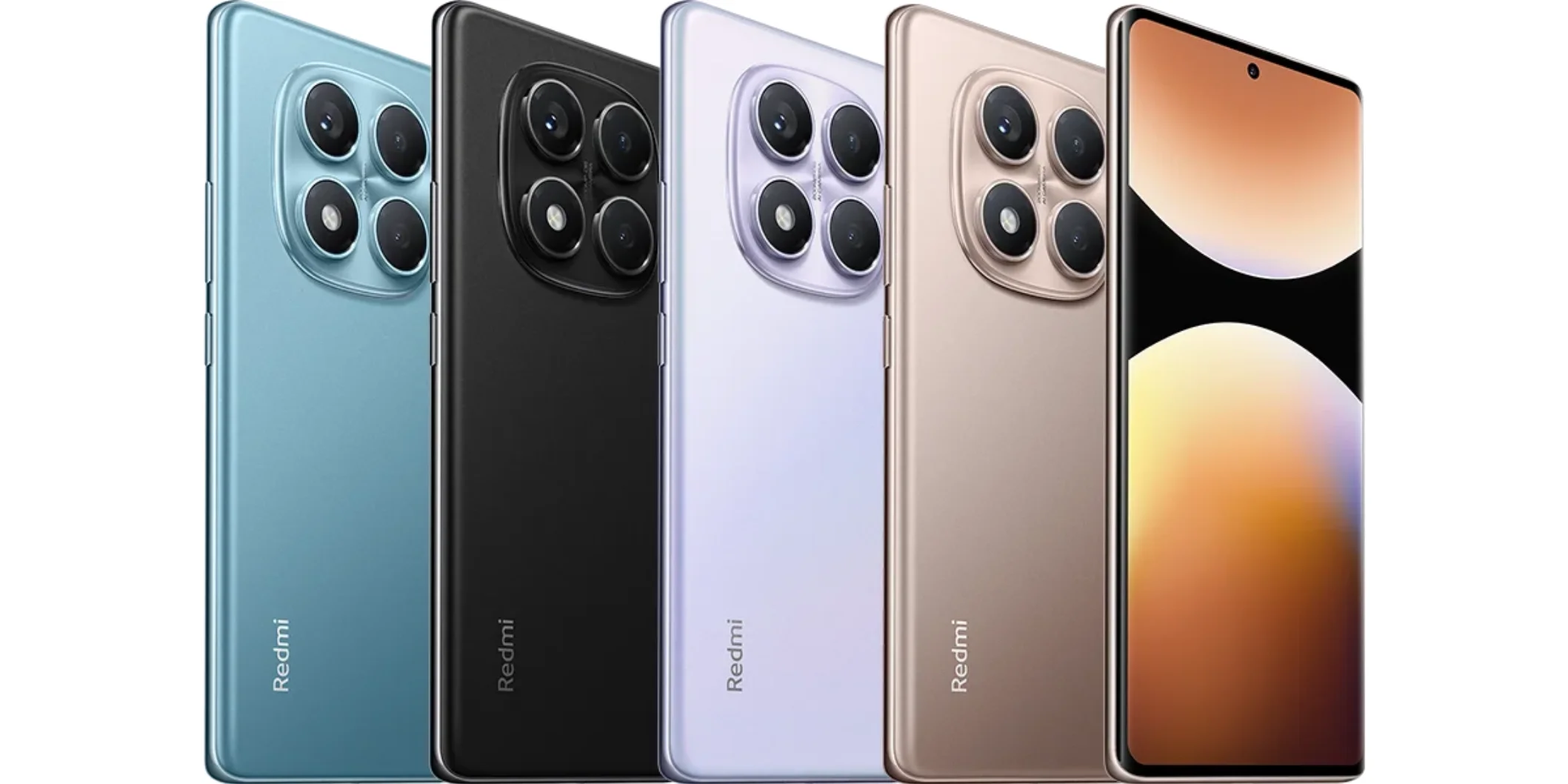
For the price, this phone feels seriously premium. Weighing in at 190g and with a slim 8.4mm profile, it’s super comfortable to hold. The flat frame combined with those slightly curved display edges gives it a bit of a flagship vibe without emptying your wallet. The glass back has this subtle shimmer that looks quite classy, and that IP68 rating is a massive step up from some older Redmi Notes. The buttons are satisfyingly clicky, the IR blaster is still a godsend for controlling my ancient TV, and the stereo speakers with Dolby Atmos are surprisingly robust for watching videos.
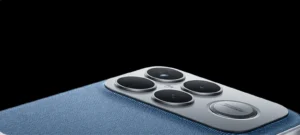
My only personal niggle? That camera module sticks out a bit. It means the phone wobbles on flat surfaces if you’re not using a case. Naturally, I popped a slim TPU case on it right away.
Display: A Visual Treat
The 6.67-inch AMOLED panel is, quite frankly, stunning. With a 1.5K (1220 x 2712) resolution, a buttery-smooth 120Hz refresh rate, and support for HDR10+ and Dolby Vision, it’s a joy to look at. And the peak brightness? Up to a whopping 3000 nits. Even in the bright Argentine sun in 2026, it’s perfectly legible without me having to crank the brightness to maximum. Colors just pop, blacks are incredibly deep, and the 1920Hz PWM dimming is a godsend for my eyes during late-night reading sessions.
I’ve binged countless hours of Netflix and YouTube on this thing. HDR content looks absolutely vibrant, and that 120Hz refresh rate makes scrolling through feeds feel incredibly fluid. And the battery impact from keeping that refresh rate high? Honestly, it’s minimal.
Performance and Software: Smooth Sailing, Mostly
Under the hood, it’s packing the MediaTek Dimensity 7300 Ultra (4nm). Now, it’s not going to rival the absolute top-tier flagships of 2026, but for everyday tasks? It handles them effortlessly. Multitasking with 12GB of RAM is a breeze. I can have twenty Chrome tabs open, plus Instagram, WhatsApp, and Spotify running in the background, and there are no annoying reloads. Gaming-wise, I’ve been playing Genshin Impact on medium settings, and it runs a smooth 60fps. It does get a bit warm after about 30 minutes, but I haven’t experienced any throttling, which is a relief compared to some older Dimensity chips I’ve encountered.
When it comes to software, the Redmi 14 Pro launched with Android 14 and HyperOS. Now, in 2026, it’s running HyperOS 2 (based on Android 15), and Xiaomi has promised at least one more major OS upgrade (likely Android 16). HyperOS has definitely improved since its early days. There’s less bloatware than in the MIUI era, though it still comes with some pre-installed apps (many of which you can thankfully uninstall) and the occasional ad in system apps. The gestures and customization options are excellent, and the AI features, like the photo editing tools, are genuinely helpful. If you’re looking for the latest on Xiaomi’s software journey, check out our deep dive into HyperOS 4 Confirmed.
Xiaomi review
Camera: Solid, But Not Groundbreaking
The star of the show here is the 200MP main sensor (1/1.4″, OIS) with its AI enhancements. In good lighting, daylight shots are incredibly detailed, and the colors are natural – Xiaomi has really toned down the oversaturation in recent years. The 2x-4x crop zoom still holds up remarkably well. Low-light performance has seen a noticeable improvement over its predecessors, thanks to smarter processing. The night mode is quick to activate and does a great job of reducing noise effectively.
The ultrawide camera (8MP) is pretty average – decent enough for landscapes but the edges can be a bit soft. The 2MP macro sensor is more of a gimmick, to be honest. For selfies, the 20MP front camera is sharp, and the portrait mode works well. Video recording maxes out at 4K 30fps (2160p), and while it’s reasonably stabilized, don’t expect gimbal-level smoothness.
In 2026, with AI tools being so prevalent, this camera feels competitive for social media and general everyday use. Just don’t expect the kind of mind-blowing results you might get from a Pixel or a top-tier flagship. For more on how Xiaomi’s cameras are evolving, take a look at our piece on Xiaomi and Leica: Strategic Co-Creation.
Battery Life: Reliable Endurance
The 5110mAh battery is a workhorse. I consistently get 7-8 hours of screen-on time daily, with a mix of Wi-Fi and 5G, and the 120Hz refresh rate enabled. On heavier days, it dips to around 6 hours, but the 45W charging is a lifesaver. It can take the phone from 0 to 100% in about 50-55 minutes, which is pretty speedy. My only real complaint here is the lack of wireless charging. In 2026, when even some budget phones are sporting it, it feels like a bit of an oversight. For those interested in battery tech, you might want to read about the Xiaomi Battery Revolution: Silicon-Carbon Tech.
Pros and Cons at a Glance
| Aspect | Pros | Cons |
|---|---|---|
| Display | Bright, vibrant AMOLED, 120Hz, HDR10+ | None major |
| Build/Durability | IP68, Gorilla Glass Victus 2, premium feel | Camera bump causes wobble |
| Performance | Smooth daily use, good gaming | Warms during extended sessions |
| Camera | 200MP detailed shots, strong AI | Ultrawide/macro weak, no telephoto |
| Battery | All-day life, fast 45W charging | Smaller than some rivals, no wireless |
| Software | Up to 3 OS upgrades, feature-rich | Some bloat/ads in HyperOS |
| Value | Excellent specs for mid-range price | Competition tougher in 2026 |
Overall Verdict: Still a Great Value Proposition in 2026
Come February 2026, the Redmi Note 14 Pro 5G still stands out as a fantastic buy if you’re all about getting the most bang for your buck. It genuinely punches above its weight in terms of display quality, durability, and camera performance for the average user. I’ve already recommended it to several friends who are looking for a reliable daily driver without needing to shell out flagship money. If you’re a hardcore gamer or demand the absolute best low-light camera performance, you might want to explore the newer 2026 options, like the upcoming Redmi Note 15 series or other competitors.
But for most people – myself included – who use their phone for work, snapping photos of family, watching videos, and browsing social media, this phone is still going strong after a year of heavy use. My battery health is sitting at a healthy 92%, the software feels fresh, and it honestly doesn’t feel dated yet. For a deeper look into choosing your next Xiaomi device, check out our guide on Choosing Your Xiaomi, Redmi, or POCO Phone in 2026.
Redmi Note 14 Pro 5G Review
FAQs (2026 Edition)
Is the Redmi Note 14 Pro 5G still worth buying in 2026 with the Note 15 series out?
Absolutely, especially if you can find it on sale (which is likely happening now, often under $350). The Note 15 might bring minor upgrades like improved durability or a slightly different camera sensor, but the 14 Pro’s 200MP camera combined with IP68 rating still offers incredible value for most users.How many more software updates will it get in 2026?
Xiaomi promised up to three major Android upgrades starting from Android 14. Since it’s currently on Android 15 (HyperOS 2), you can expect Android 16 in 2026-2027, and security patches are likely to continue into 2028. For details on upcoming OS versions, read about HyperOS 3 Battery Drain Fixes.Does the camera handle AI features well compared to 2026 flagships?
The AI editing tools, like object removal and sky replacement, are surprisingly capable for a mid-range device. They might not be as advanced as the latest features on a Galaxy S26 or Pixel 10, but for quick social media edits, they are more than sufficient.Battery degradation after a year – is it bad?
Mine is at 92% health, which is pretty good considering how heavily I use it. Thanks to the large 5110mAh battery and the efficient Dimensity chip, it still easily lasts a full day. Good charging habits (avoiding overnight charging) will help maintain its health for even longer.How does it compare to 2026 budget competitors like Samsung A36 or Moto G series?
The Redmi Note 14 Pro 5G generally wins in terms of display brightness, camera resolution, and charging speed. Samsung often offers a cleaner software experience, while Motorola provides a more stock Android feel. However, for raw features and specifications per dollar in 2026, the Redmi still holds a strong position, especially for tech enthusiasts.