Xiaomi’s Hybrid Car Strategy for Europe: Smart Play for 2027 Domination
Xiaomi hybrid cars Europe. Why Xiaomi is Betting on Hybrid Cars in Europe: A Smart Strategy for 2027 Market Domination
Xiaomi is making a bold move in the European automotive scene, shifting focus beyond just pure electric vehicles to embrace hybrid technology. This strategic pivot, aiming to conquer the European market by 2027, leverages current market realities and consumer preferences. It’s a fascinating development that could redefine Xiaomi’s global automotive presence.
The European Auto Market in 2026: EVs vs. Hybrids
Europe’s car market is a complex dance between rapid electrification and persistent demand for proven, versatile solutions. While pure electric vehicles (BEVs) are growing, they haven’t completely overtaken traditional and hybrid powertrains. As of early 2026, BEVs hold around 20% of the market share, with plug-in hybrids (PHEVs) and extended-range electric vehicles (EREVs) capturing roughly 10%. Conventional hybrids and mild-hybrids are still a significant force, collectively making up over 35-40% in many countries.
The growth in PHEVs and EREVs has been notably strong, often outperforming BEV growth rates. This surge is driven by understandable consumer concerns about EV range anxiety, the patchy charging infrastructure in rural areas, and the still-high initial cost of fully electric cars. In key markets like Germany, the versatility of a plug-in hybrid is a major draw. Drivers can enjoy emission-free city commutes, often with tax incentives, while having the freedom of a gasoline engine for longer highway journeys without worrying about finding a charging station. Furthermore, the European Union’s tariffs on imported Chinese EVs don’t always apply with the same severity to hybrid vehicles, creating a significant strategic advantage. We’re already seeing Chinese brands like BYD capitalize on this, securing substantial market share in the PHEV segment.
| Powertrain | Approx. Market Share (%) | Year-over-Year Growth | Key Advantages | Key Disadvantages |
|---|---|---|---|---|
| BEV (Pure Electric) | 19-20 | +16% | Zero local emissions, incentives | Range, charging, initial price |
| PHEV / EREV | 10 | +30-33% | Versatility, reduced anxiety | Emissions in combustion mode |
| Conventional Hybrids | 14-25 | Stable | Reliability, accessible price | Fewer ecological incentives |
| Pure Combustion | ~31 | -9% | Existing infrastructure | Strict CO2 regulations |
(Sources: Aggregated data from ICCT, IEA, and market reports 2026)
This market landscape clearly explains why Xiaomi, having already achieved significant success with over 380,000 SU7 units delivered in China by early 2026, can’t afford to ignore the hybrid segment for its European ambitions.
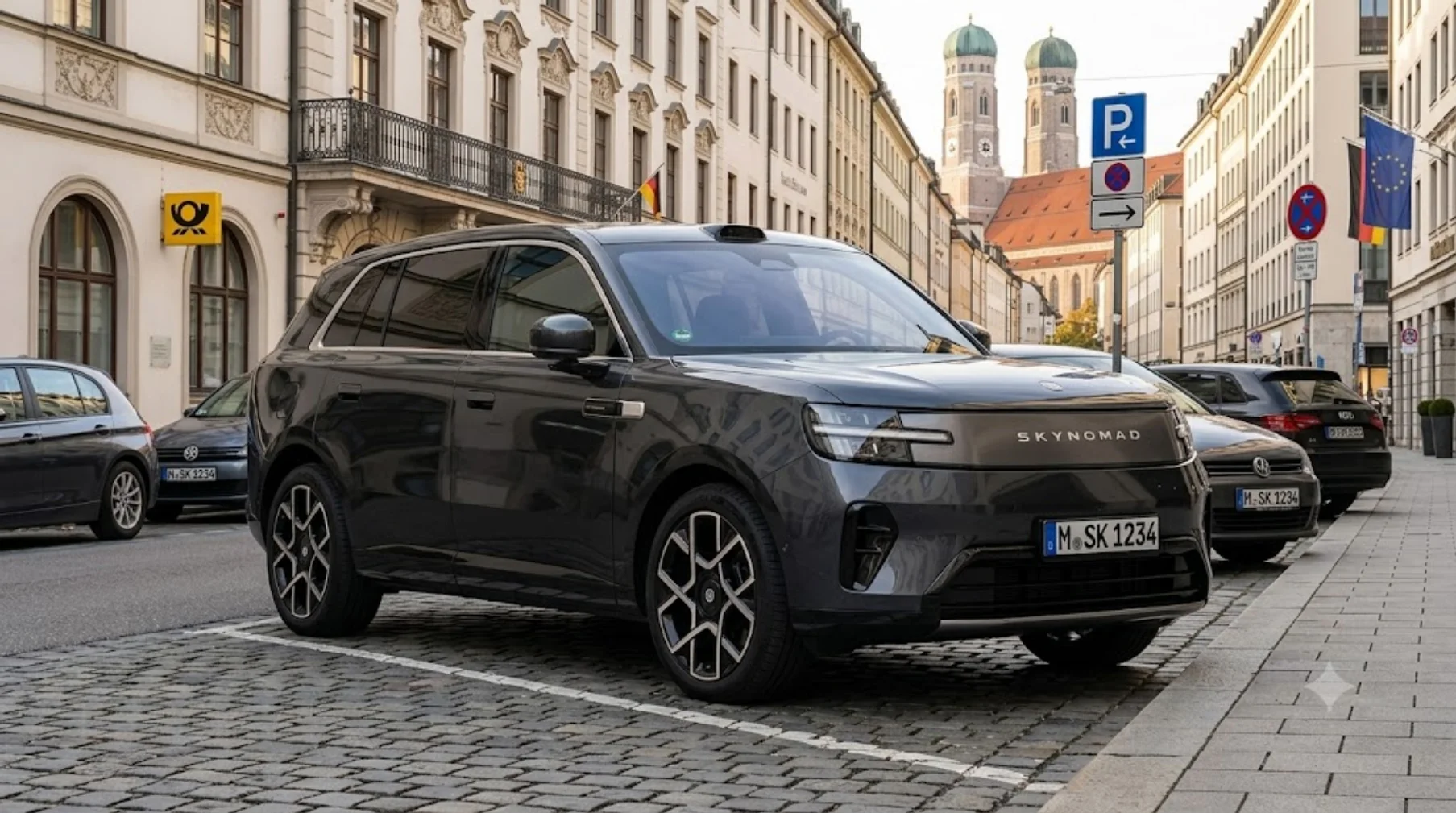
Xiaomi Auto’s Journey: From Chinese Success to Global Ambitions
Xiaomi, a household name for its affordable smartphones and interconnected smart ecosystems, officially entered the automotive arena in 2024 with the electric SU7 sedan. This model quickly established itself as a strong contender against established players like Tesla. By March 2025, Xiaomi had surpassed 200,000 SU7 deliveries, with projections for a total of 550,000 units by the end of 2026.
Xiaomi’s core strengths in the automotive sector are formidable. Their integrated technology, powered by HyperOS, seamlessly connects the car with smartphones, smart homes, and wearable devices. They also champion a disruptive pricing strategy, with initial models in China equivalent to roughly €27,000-€45,000. Innovation is another key pillar, demonstrated through high-performance batteries, advanced autonomous driving capabilities, and cutting-edge manufacturing techniques like their Hyper Die-Casting process.
However, the European market presents a distinct set of challenges. Brand perception among discerning European consumers, establishing a robust service network, navigating stringent regulations such as Euro NCAP and fleet-average emissions targets, and competing head-to-head with established premium German brands are all significant hurdles.
Does the Hybrid Strategy Make Sense? A Deep Dive Analysis
Absolutely, it does. Limiting their European portfolio to only pure electric vehicles would significantly restrict Xiaomi’s potential market reach. Here’s why the hybrid approach is a smart move:
Diversification Reduces Risk
The growth of BEVs has begun to plateau in some European markets due to the aforementioned infrastructure and cost issues. Hybrids act as a crucial “bridge” technology, easing the transition towards full electrification for a broader consumer base. This diversification mitigates the inherent risks associated with relying solely on one technology.
Navigating Regulatory Landscapes
Plug-in hybrids (PHEVs) and EREVs offer a strategic advantage in helping manufacturers meet increasingly stringent CO2 emissions targets for their fleets. They allow brands to balance their environmental obligations without being solely dependent on the ramp-up of BEV sales.
Meeting Consumer Demand
Market research consistently shows that a substantial portion of European car buyers—around 40-50%—view hybrids as their preferred intermediate step towards electric mobility. These vehicles offer the compelling combination of low-emission urban driving and the freedom to undertake longer journeys without range anxiety, truly offering the best of both worlds.
Learning from Chinese Successes
Established Chinese automakers like BYD have already demonstrated the immense potential of hybrid vehicles in Europe. Their rapid sales growth in PHEVs underscores the viability of this segment and the opportunity it presents for newcomers like Xiaomi to gain traction, partially sidestepping the punitive tariffs imposed on pure EVs.
Risks of Focusing Solely on EVs
If Xiaomi were to exclusively focus on BEVs, they would face increased exposure to potential tariffs, direct competition with established EV leaders like Tesla and the German premium brands, and a significant disadvantage in capturing market share within the family and mid-size SUV segments, where hybrids currently hold a dominant position.
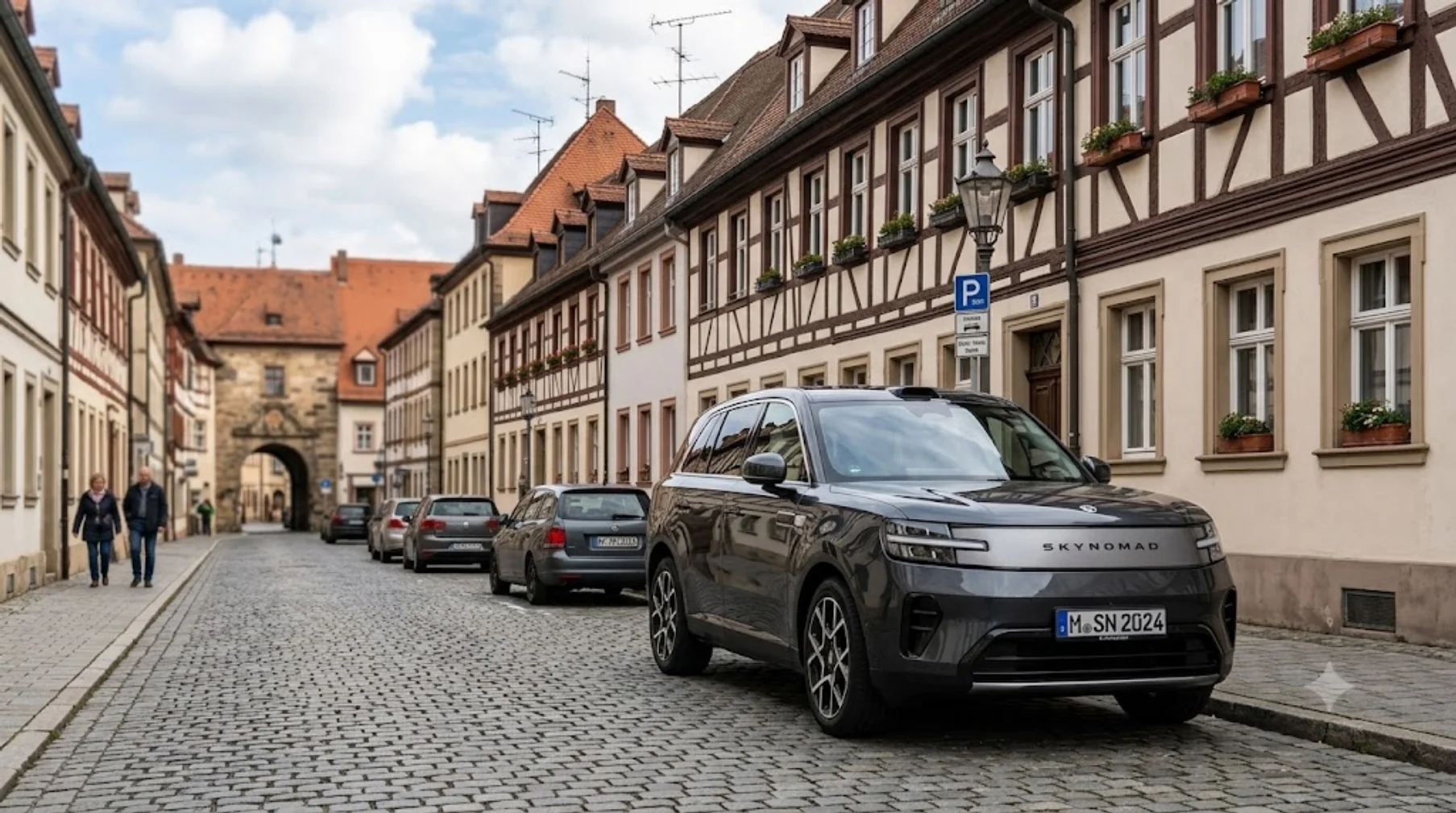
Executing a Winning Hybrid Strategy in Europe
For Xiaomi to truly succeed with its hybrid offerings in Europe, a multi-faceted and meticulously executed strategy is essential. Here’s a detailed roadmap:
1. Developing Tailored Products for Europe
- Launch EREVs in 2026: The plan includes introducing two extended-range electric SUVs. These vehicles will feature a combustion engine acting as a generator, providing a substantial total range exceeding 800 kilometers. One will be a 5-seater, and the other a 7-seater to cater to different family needs.
- Maintain a Strong BEV Lineup: Alongside hybrids, Xiaomi will continue to offer and update its pure electric models, such as the SU7 and upcoming YU7, targeting the premium and tech-focused segments.
- Differentiating Features: These new hybrid models will incorporate long-lasting batteries, ultra-fast charging capabilities, advanced AI integration (with processing power exceeding 700 TOPS), and intelligent driving modes that adapt to various conditions.
| Model | Type | Electric Range | Estimated European Price | Target Segment |
|---|---|---|---|---|
| SU7 (facelift) | BEV | 700-900 km | €35,000-€55,000 | Sports Sedans |
| YU7 | BEV | 800+ km | €40,000-€60,000 | Family SUVs |
| New EREV SUV (5-seater) | EREV | 100-150 km + 900 km total | €32,000-€48,000 | Urban Families |
| New EREV SUV (7-seater) | EREV | Similar | €38,000-€55,000 | Large Families/Travel |
| SU7 Executive Edition | BEV | High | €60,000+ | Premium Business |
2. Pricing Strategy and Value Proposition
- Accessible Premium Positioning: Xiaomi aims to price its vehicles 15-25% lower than comparable European models while offering more features.
- Attractive Financing: Offering competitive financing packages, leasing options, and subscription models for software features will be crucial.
- Building Trust with Warranties: Extended warranties, particularly for the battery and powertrain (8-10 years), will be key to assuaging consumer concerns about newness and reliability.
3. Market Entry and Distribution Network
- Phased Launch: The official European rollout is slated for 2027, beginning with key markets like Germany, France, the Netherlands, and the Nordic countries.
- Hybrid Import and Local Assembly: Xiaomi is likely to adopt a model combining direct imports with local assembly through strategic partnerships, similar to strategies employed by Chery in Spain or BYD in Hungary.
- Service Network Development: Building a comprehensive service network will involve forming alliances with existing independent repair shops and potentially investing in dedicated service centers and mobile service units.
- Integrated Marketing: Aggressive digital marketing campaigns will be complemented by physical customer experiences within existing Xiaomi stores, leveraging the brand’s established retail presence.
4. Technological Innovation and Ecosystem Integration
- HyperOS as a Differentiator: The seamless integration of the car into the broader Xiaomi ecosystem via HyperOS, offering centralized control from a smartphone and frequent over-the-air updates, will be a major selling point.
- Advanced Driver-Assistance Systems (ADAS): Xiaomi plans to offer ADAS features that surpass average European offerings at a similar price point, focusing on safety and convenience.
- Sustainability Focus: Emphasizing the recyclability of batteries and the overall efficiency of the hybrid powertrains will appeal to environmentally conscious buyers.
5. Brand Building and Fostering Trust
- Transparency is Key: Xiaomi must openly share data from independent tests, crash reports (like Euro NCAP 5-star ratings), and real-world reliability metrics to build confidence.
- Strategic Collaborations: Potential joint ventures with European component suppliers could help localize production and build stronger ties within the continent’s automotive industry.
- Community Engagement: Cultivating a strong community through early adopter programs, user forums, and engaging events will be vital for organic growth and word-of-mouth marketing.
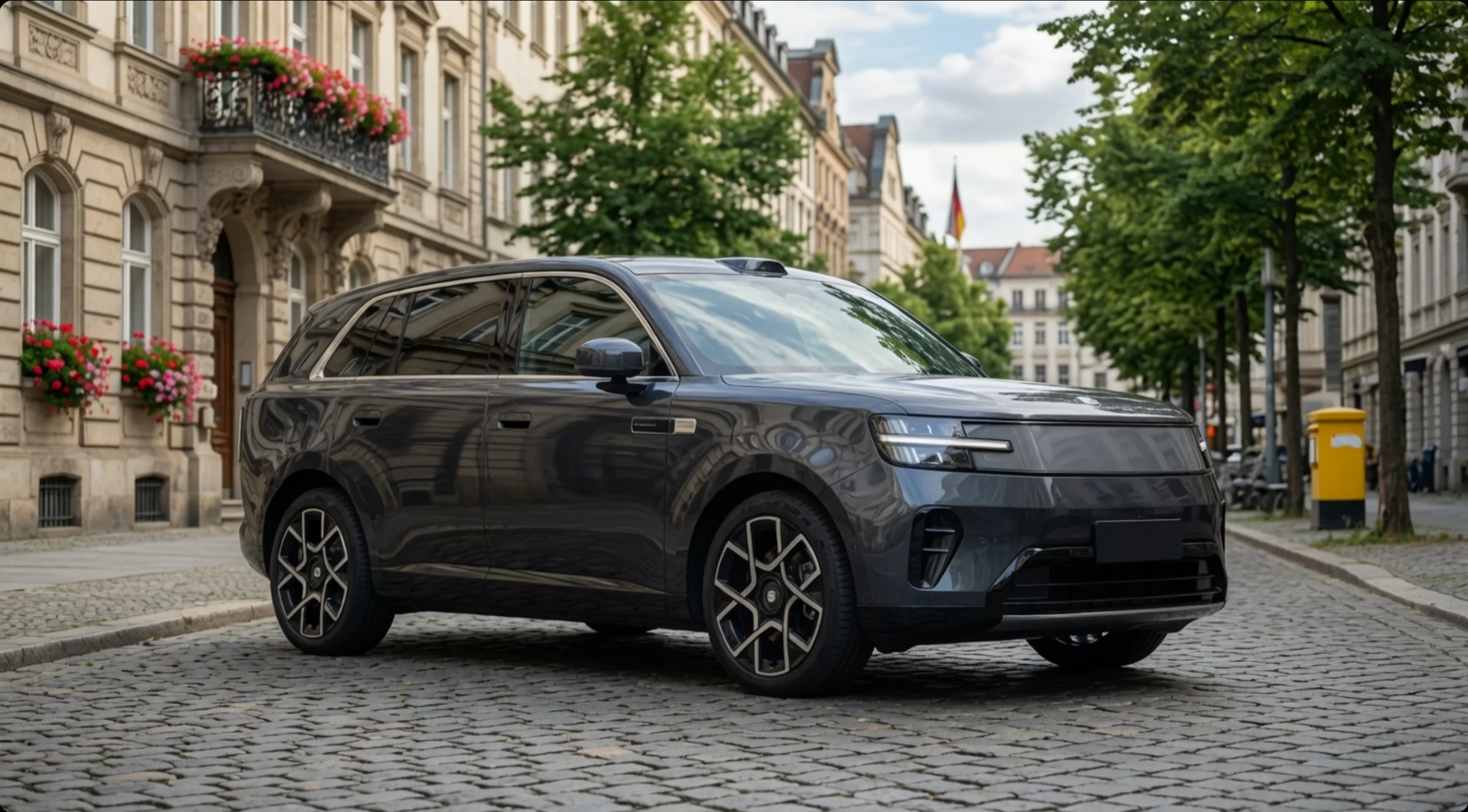
Xiaomi’s Competitive Edge Over Established Brands
Xiaomi possesses several inherent advantages that can help it challenge established European automakers:
- Agile Innovation: Xiaomi’s development cycles are typically much shorter than those of traditional, legacy automotive manufacturers, allowing for quicker iteration and adaptation.
- Cost Efficiencies: Its vertically integrated supply chain, encompassing batteries, chips, and software, provides significant cost advantages.
- Data-Driven Development: The vast amount of real-world driving data collected from its considerable fleet in China allows for rapid improvement of its AI algorithms and autonomous driving systems.
- Integrated Ecosystem: The “super app” approach for its automotive products, connecting seamlessly with other Xiaomi devices, is a unique selling proposition that legacy brands struggle to replicate.
Key Differentiating Factors:
- Performance-to-Price Ratio: Offering more horsepower and advanced technology for the money compared to European competitors.
- Modern Design Appeal: Sleek, minimalist aesthetics that resonate with younger demographics like millennials and Gen Z.
- Digital-First After-Sales Support: A focus on efficient, tech-driven customer service.
- Software-Enabled Customization: The potential for extensive personalization through software updates and features.
Overcoming Challenges and Charting a Path to Success
Despite its strengths, Xiaomi faces significant hurdles in the European market:
- Perception of Chinese Quality: This perception needs to be actively countered with a strong emphasis on achieving top safety ratings (e.g., 5 stars from Euro NCAP) and obtaining all necessary certifications.
- After-Sales Service Network: A substantial investment in building a widespread and reliable service network is paramount, aiming for at least 80% coverage in major markets within the first year.
- Regulatory Compliance: Meeting rigorous European standards like WLTP (Worldwide Harmonised Light Vehicles Test Procedure) and RDE (Real Driving Emissions) regulations, as well as future battery directives, is non-negotiable.
- Intense Competition: Differentiating through superior software and user experience, rather than just hardware, will be crucial in a market crowded with established players.
- Geopolitical Considerations: Diversifying supply chains and exploring local production options will be important for mitigating geopolitical risks and demonstrating long-term commitment to the region.
Projections and Success Scenarios
Looking ahead, Xiaomi’s strategic foray into hybrids could yield impressive results:
- Optimistic Scenario: By 2028-2030, Xiaomi could capture 2-5% of the European PHEV/BEV market, translating to over 100,000 annual vehicle sales. This growth would be driven by their competitive pricing and technological prowess.
- Realistic Scenario: A more gradual success, similar to BYD’s trajectory, focusing on value-driven segments and achieving profitability within 2-3 years.
Key factors for success will include flawless execution in terms of product quality and reliability, adept adaptation to local European preferences and languages, and continued support from the Chinese government and the broader Xiaomi ecosystem.
Conclusion: A Winning Move for the Long Haul
Xiaomi’s decision to incorporate hybrid vehicles into its European strategy isn’t an abandonment of electric vehicles; it’s an intelligent, evolutionary step. In a continent committed to electrification but with a gradually maturing infrastructure, hybrids offer a practical pathway to scaling sales volume, generating crucial revenue, and building brand equity.
With its proven expertise in consumer technology, competitive cost structure, and demonstrated ambition, Xiaomi possesses the essential tools to not just compete, but to thrive. By 2030, the company has the potential to emerge as a significant player in the European automotive market, offering intelligent, versatile, and accessible vehicles.
This strategy demonstrates a mature understanding that consumers often prioritize practicality alongside progress. If Xiaomi can deliver on its promises of quality, service, and an exceptional user experience, its hybrid offerings could very well serve as the perfect springboard for eventual dominance in the fully electric era.
Are you ready for the future of smart mobility? Xiaomi certainly seems to be. What are your thoughts? Would you consider buying a Xiaomi hybrid in Europe? Share your opinion in the comments below!







1 thought on “Xiaomi’s Hybrid Car Strategy for Europe: Smart Play for 2027 Domination”