Xiaomi Cars in USA? Realistic 2026 Market Analysis
Xiaomi cars in USA: Will We See Xiaomi Cars in the USA? A Realistic 2026 Analysis
The automotive world is buzzing, and Chinese brands are leading the charge, shaking things up globally. Among them, Xiaomi stands out as a truly exciting player. Following the massive success of their SU7 model in China and ambitious plans to enter Europe by 2027, a question is on everyone’s mind: will we soon see Xiaomi cars cruising through cities like New York, Los Angeles, or Miami? This article dives deep into the real possibilities of Xiaomi Auto hitting the US market, offering a balanced and up-to-date perspective as of July 2026.
The Impressive Rise of Xiaomi Auto
Xiaomi isn’t just another car company. In just two short years, they’ve achieved what takes most automakers decades: selling over 380,000 units of the SU7 and cementing their reputation as a top-tier electric vehicle manufacturer in China. Their strategy is a winning combination of cutting-edge technology, premium design, and incredibly competitive pricing. They’ve masterfully created an ecosystem that seamlessly integrates their smart cars with their already popular smartphones, tablets, and home devices.
By 2026, Xiaomi aims to deliver an impressive 550,000 vehicles. They’re also gearing up to launch several new models, including Extended-Range Electric Vehicles (EREVs), a segment that’s rapidly gaining traction. The perceived quality, over-the-air (OTA) updates, and the overall user experience have generated genuine excitement among younger, tech-savvy consumers. It’s only natural, then, to wonder: if Xiaomi can conquer China and set its sights on Europe, why not the United States, a market synonymous with luxury and technological advancement?
The US Market: A Huge Opportunity, But a Tough Nut to Crack
The United States remains the second-largest automotive market worldwide. American consumers have a strong appetite for technology, value performance, and are increasingly open to affordable premium and electric vehicles. Tesla proved that it’s entirely possible to disrupt the industry from the ground up.
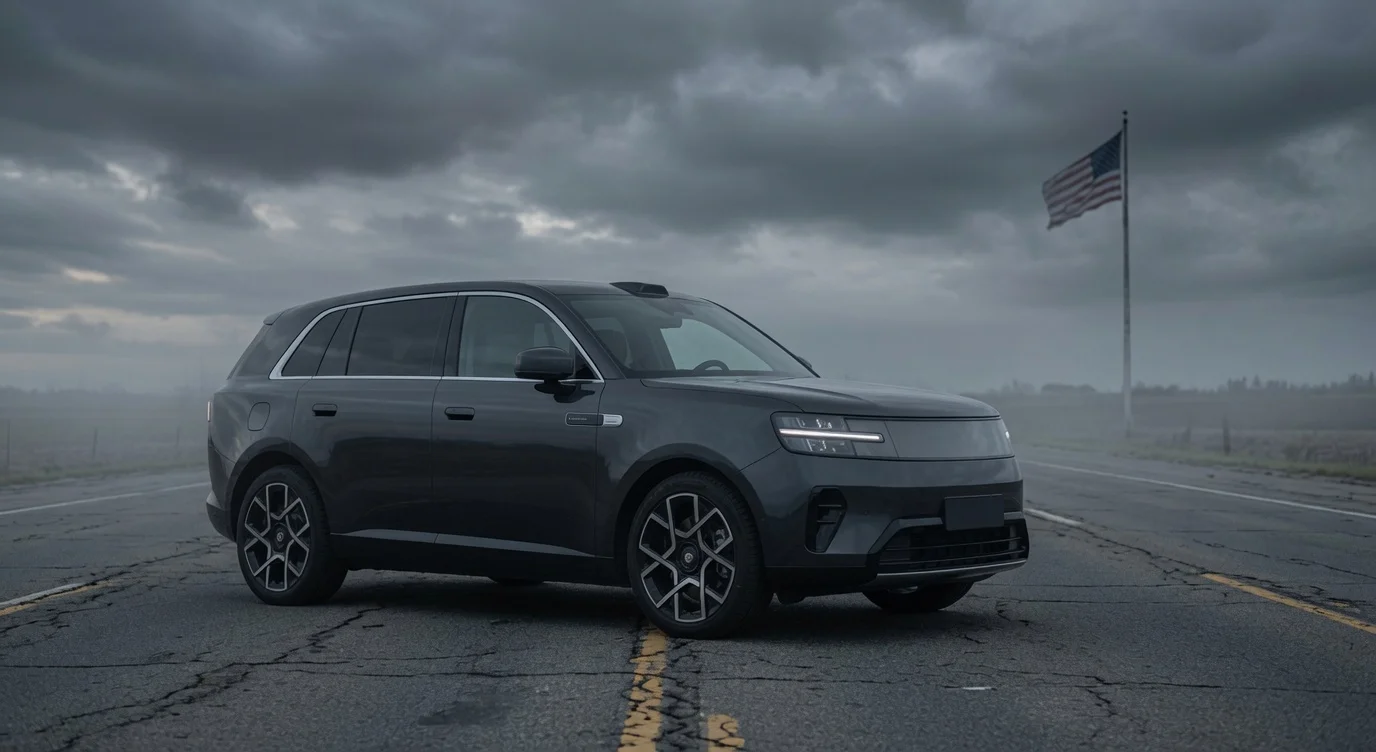
However, the landscape for Chinese automotive brands in the US is significantly more challenging than in Europe. Several key factors create formidable barriers to entry.
Barriers to Entry: Europe vs. United States (2026)
Understanding these differences is crucial for assessing Xiaomi’s prospects.
| Aspect | Europe | United States | Impact for Xiaomi |
|---|---|---|---|
| Tariffs on Chinese EVs | 17.4% – 45% | Up to 100% | Very High |
| Regulations | Strict but predictable | Very strict + political | High |
| Brand Perception | Rapidly improving | Very negative in many segments | High |
| Local Competition | High | Extremely high | Very High |
| Government Incentives | Partial | Exclude Chinese vehicles | Critical |
The Major Hurdles Facing Xiaomi
Let’s break down the primary obstacles Xiaomi would need to overcome to enter the US market.
1. Tariffs and Trade Barriers
The 100% tariff imposed by the US administration on Chinese electric vehicles is still in effect in 2026. This makes any direct import of a Xiaomi car economically unfeasible. While the company might explore local assembly or manufacturing in Mexico, the “rules of origin” requirements are becoming increasingly stringent, making this a complex route. This is a significant deterrent for any company looking to export vehicles directly.
2. Geopolitical Tensions
The political climate between the US and China continues to be fraught with tension. Issues surrounding national security, technology transfer, and Chinese state subsidies breed distrust. Any attempt by Xiaomi to make a large-scale entry into the US market would likely face intense scrutiny from Congress and regulatory agencies. This creates an unpredictable and challenging environment.
3. Regulations and Homologation
Meeting the stringent safety standards set by the National Highway Traffic Safety Administration (NHTSA) and the environmental regulations from the Environmental Protection Agency (EPA) is both costly and time-consuming. Furthermore, the cybersecurity and data protection requirements are particularly demanding for modern, connected vehicles. Navigating these complex regulatory frameworks requires significant investment and expertise.
4. Consumer Perception and Brand Image
While Xiaomi enjoys a strong reputation in consumer electronics, the automotive sector is a different beast. Many American car buyers still associate Chinese brands with lower quality, though this perception is gradually shifting thanks to the efforts of companies like BYD and Polestar. Building trust and overcoming existing biases will be a monumental task.
5. Cutthroat Competition
The US automotive market is already incredibly competitive. It’s home to established players like Tesla, indirect Chinese rivals (often through different brand names), and the “Big Three” Detroit automakers are heavily investing in their EV lineups. For Xiaomi to carve out a niche and differentiate itself in such a crowded field would be an immense challenge. This means they’d need a truly compelling offering to stand out.
Possible Scenarios: How Xiaomi Might Enter the US
Despite these significant hurdles, a US entry for Xiaomi isn’t entirely impossible. Here, we explore the most realistic pathways the company might take.
Joint Venture or Strategic Partnership
Teaming up with an existing American or Mexican automaker could provide a crucial advantage. A local manufacturing partner would allow for assembly within North America, helping to satisfy rules of origin requirements and potentially reduce tariff impacts. This could also significantly boost brand perception among American consumers by associating with a known entity. Such an alliance could smooth the path for market entry.
Assembly in Mexico
This route is already being explored by several Chinese manufacturers. Mexico offers a skilled workforce, beneficial trade agreements with the US, and geographical proximity. By assembling vehicles in Mexico, Xiaomi could potentially circumvent some of the direct import tariffs and gain better access to the US consumer base. It’s a strategic move many are watching closely.
Premium/Niche Market Focus
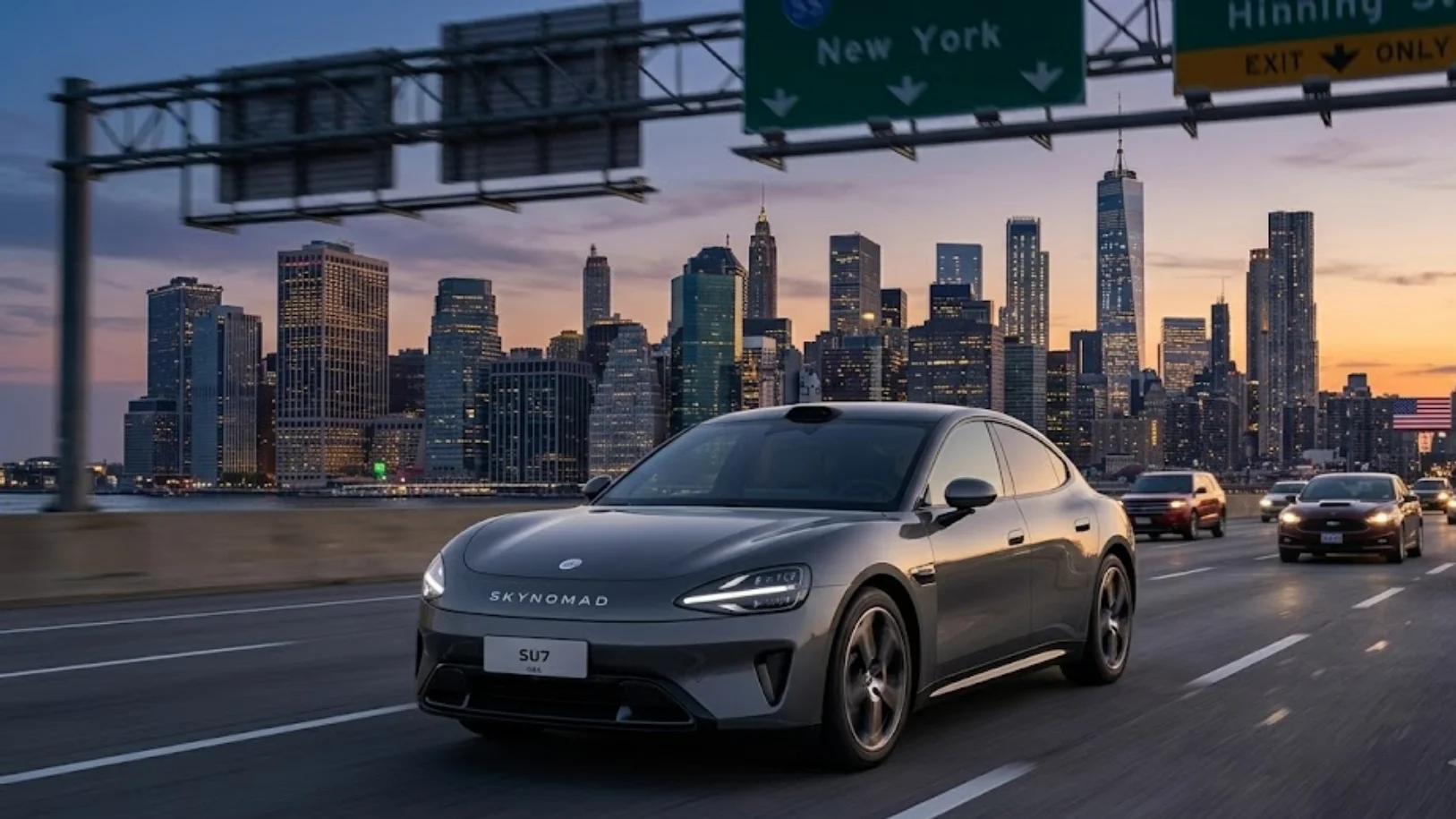
Instead of aiming for mass-market volume right away, Xiaomi could adopt a more targeted approach. Launching high-margin, premium models – think sporty sedans or luxury SUVs – aimed at early adopters and tech enthusiasts in key markets like California, Florida, and New York could be a smart initial strategy. This allows them to build brand cachet and test the waters before a broader rollout.
Long-Term Strategy
Another avenue is simply to wait. Xiaomi could bide its time, hoping for a relaxation of trade tensions between the US and China or a change in US administration that might alter tariff policies. This passive approach relies on external factors but could open doors later. Patience might be a virtue here.
Xiaomi’s Potential Entry Scenarios into the USA
Here’s a look at the probabilities and timelines for different entry strategies.
| Scenario | Probability (2026-2028) | Estimated Timeframe | Difficulty | Potential Advantages |
|---|---|---|---|---|
| Direct Import | Very Low | – | Extreme | None |
| Joint Venture | Medium | 2029-2032 | High | Good |
| Assembly in Mexico | Medium-High | 2028-2030 | Medium-High | Interesting |
| Premium Niche Focus | Medium | 2028+ | Medium | Promising |
| Wait for Political Change | High (passive) | Variable | Low | Unknown |
What Xiaomi Has Going for It
Despite the significant obstacles, Xiaomi possesses several powerful assets that could aid its potential US expansion.
Cutting-Edge Technology
Xiaomi is renowned for its technological prowess. Their advanced HyperOS, sophisticated autonomous driving capabilities, and superior user experience are major selling points. These innovations are directly transferable to their automotive division and could set them apart. We’ve seen this commitment to tech in their smartphones, and it’s clearly a priority for their cars too. This aligns well with the tech-forward nature of the US market.
Disruptive Pricing Power
Xiaomi’s ability to deliver exceptional value for money is a key strength. Their established track record of offering feature-rich products at competitive prices could significantly attract price-sensitive American buyers, especially in the growing EV market where initial costs can be a barrier. Offering more for less is a classic Xiaomi playbook that could work wonders in the US.
Proven Track Record
The rapid sales pace of the SU7 in China is undeniable proof of their manufacturing capabilities and market appeal. This success demonstrates that Xiaomi can indeed produce desirable vehicles that resonate with consumers. Their ability to scale production quickly and efficiently is a valuable asset. This provides confidence in their ability to meet demand.
Ecosystem Integration
Millions of Xiaomi users in the US already own their smartphones, wearables, and smart home devices. This existing user base provides a natural foundation for a loyal customer following. Integrating their vehicles into this established ecosystem creates a compelling value proposition and a ready-made market of early adopters. This is a unique advantage that few other new entrants possess. A seamless connection between their phone and car would be a huge draw.
Realistic Verdict: When Could We See Xiaomi Cars in the USA?
Let’s keep the excitement going, because Xiaomi certainly has the product, the ambition, and the technical capability to succeed in the United States.
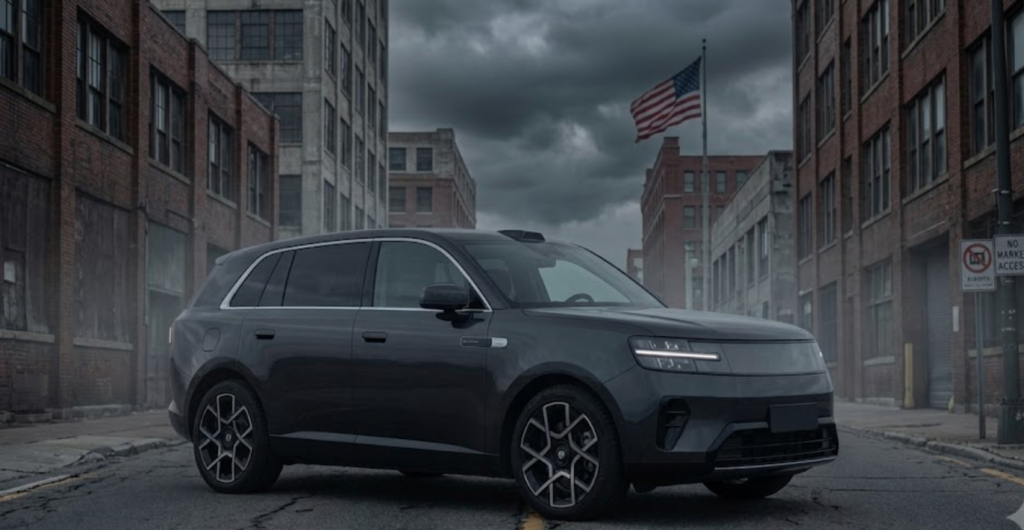
However, being realistic, it’s unlikely we’ll see substantial volumes of Xiaomi cars in the US before 2029 or 2030. The political, tariff, and regulatory barriers are simply too high at present. The most feasible short-term approach would likely involve limited market entry through strategic partnerships or a very selective, niche-focused strategy. This gradual approach makes sense given the complexities.
That said, the world moves fast. If trade tensions ease, if Xiaomi can forge intelligent alliances, or if they consistently demonstrate superior quality, the doors could open sooner than anticipated.
Conclusion
Xiaomi represents the future of smart, accessible mobility, and their success in China and imminent arrival in Europe naturally sparks significant anticipation for a US launch. While the path is undeniably fraught with major challenges, few companies possess Xiaomi Auto’s current momentum, resources, and clear vision.
Will we see Xiaomi cars in the USA? Yes, eventually. But it won’t be easy or quick. It will likely be the result of a patient, intelligent, and probably different strategy than what they’re employing in Europe. The dream of seeing a Xiaomi SU7 or their future SUV cruising down a Californian highway is exciting and, with time, increasingly possible. Until then, we’ll be watching every move Lei Jun and his team make with keen interest.