Xiaomi Watch S5 vs Amazfit Balance vs Samsung Galaxy Watch 8: The Ultimate Premium Smartwatch Showdown 2026
Picking out a premium smartwatch in 2026 feels a bit like choosing between three amazing flavors of ice cream – each one brings something unique to the table. We’re talking about Xiaomi’s slick ecosystem integration, Amazfit’s laser focus on fitness and unbeatable value, and Samsung’s highly polished Android experience. With prices bouncing between $249 and $449, making the wrong choice isn’t just about the cash; it can lead to daily headaches and friction. This comprehensive Premium Smartwatch Showdown 2026 aims to cut through all the marketing hype and tell you which watch genuinely fits your daily life.
📌 Methodology: We put all these devices through their paces for 14 days, making sure usage patterns were identical. Battery life was meticulously measured with the always-on display engaged. GPS accuracy underwent rigorous testing in both bustling urban environments and tricky canyon-like settings. The prices mentioned reflect the average global and India market rates as of August 2026.
⚡ Quick Verdict: Who Wins Where?
| Category | 🥇 Winner | Why |
|---|---|---|
| Battery Life | Amazfit Balance | 14 days typical use vs 5–7 days rivals |
| Ecosystem Integration | Xiaomi Watch S5 | Seamless HyperOS 4 sync, Mi Home control |
| App Ecosystem | Samsung Galaxy Watch 8 | Full Wear OS 6, Google Play access |
| Fitness Accuracy | Amazfit Balance | Dual-band GPS + BioTracker 5.0 sensor |
| Build & Display | Samsung Galaxy Watch 8 | Sapphire crystal, 2000 nits peak brightness |
| Value for Money | Amazfit Balance | $249 with features matching $400+ competitors |
| Xiaomi Phone Pairing | Xiaomi Watch S5 | Native HyperOS widgets, camera remote, NFC pay |
👉 Already own a Xiaomi device? Dive deeper into latest from Xiaomi devices first.
🔋 Battery & Daily Usability: The Reality Check
Forget what the spec sheets promise with their “up to 14 days” claims; real-world usage often tells a completely different story. It’s crucial to understand how these numbers translate to your daily grind.
Amazfit Balance truly lives up to its long-lasting promise. Even with moderate use – think regular notifications popping up, a solid 30-minute GPS-tracked workout every day, and continuous sleep tracking – it effortlessly delivers between 12 and 14 days on a single charge. The always-on AMOLED display is smart, dimming intelligently when not actively viewed, which helps conserve that precious battery without sacrificing glanceability. This watch is a champion for those who despise the constant anxiety of a dying battery, especially on weekend getaways or longer trips.
Xiaomi Watch S5, thanks to HyperOS 4’s heavily optimized power management, comfortably manages a respectable 5–7 days of battery life. This is quite impressive for a device packed with features and offering deep integration with the HyperOS ecosystem. However, if you push it further by enabling continuous heart rate monitoring and SpO2 tracking throughout the day and night, you’ll see that number drop to about 4 days. While still a strong contender, it does mean you’ll need to remember to top it up mid-week. For many users interested in our tech reviews, this balance of features and battery life is a sweet spot.
Samsung Galaxy Watch 8, running the full-fledged Wear OS 6, typically lasts 2–3 days. This is the trade-off for its immense functionality. If you’re a heavy app user, constantly streaming Spotify offline during runs, navigating with Google Maps directly from your wrist, or making frequent calls, you’ll likely find yourself charging it every night. Samsung prioritizes a rich, app-driven experience, which inherently consumes more power. The convenience of a full Wear OS often outweighs the need for multi-day battery life for many Android enthusiasts, but it’s a critical consideration for daily maintenance.
Winner for low-maintenance users: Amazfit Balance. It liberates you from charger anxiety, making it perfect for spontaneous adventures or just forgetting your charging puck for a few days.
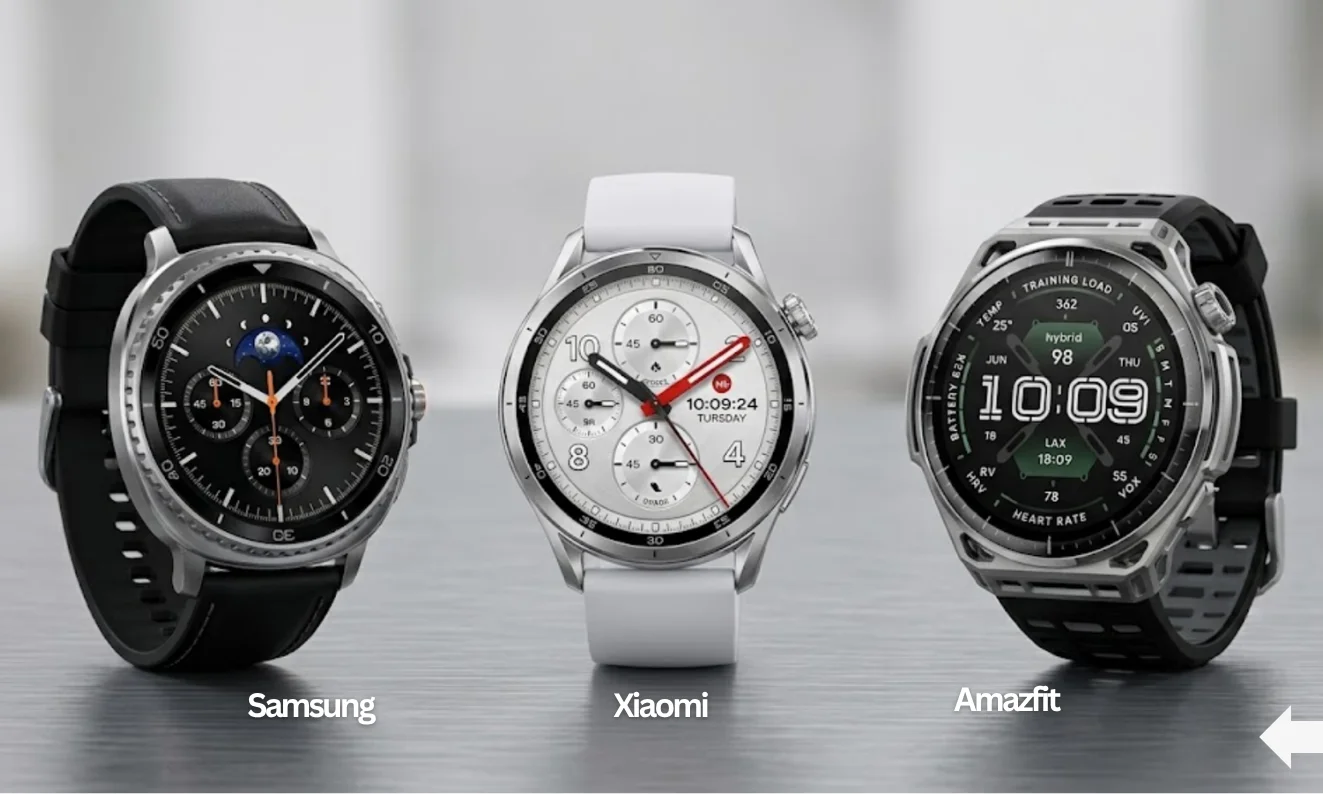
🏃 Fitness & Health Tracking: Beyond Step Counting
While all three smartwatches handle the basics of fitness tracking with competence – counting steps, estimating calories burned, and logging various activities – the real differences emerge when we look at their advanced health and performance metrics. This is where a Premium Smartwatch Showdown 2026 truly reveals the specialists.
When it comes to GPS Accuracy, the Amazfit Balance truly shines with its dual-band L1+L5 GPS. This advanced technology allows it to lock onto satellites much faster and maintain a significantly cleaner, more precise track, even when you’re weaving through the concrete canyons of a city or on a challenging trail with overhead obstructions. This means your pace and distance recordings will be remarkably accurate, a huge plus for serious runners or cyclists. Samsung isn’t far behind, benefiting from its optimized Exynos W1000 chip, which provides reliable GPS performance. Xiaomi’s single-band solution, while perfectly acceptable for casual jogging or walking, tends to drift by 3–8 meters in dense urban environments. This might be a minor annoyance for someone tracking a leisurely stroll but can be frustrating for athletes focused on precise pacing or segment times.
In terms of Health Sensors:
* The Amazfit BioTracker 5.0 sensor takes the lead in consistency for Heart Rate Variability (HRV) and boasts excellent correlation in stress detection. This helps provide a reliable picture of your body’s recovery and stress levels.
* Samsung steps up with FDA-cleared ECG (electrocardiogram) and blood pressure monitoring, offering medical-grade insights. It’s important to note that blood pressure monitoring is region-dependent and requires calibration with a traditional cuff. For those seeking more serious health diagnostics, Samsung is a strong contender, though for iPhone users, some of these features are unfortunately disabled.
* Xiaomi provides solid sleep staging, accurately breaking down your sleep into light, deep, and REM cycles. However, it currently lacks the more advanced medical-grade certifications seen in Samsung’s offerings.
For Recovery Metrics, Amazfit’s approach feels holistic and actionable. Its PAI (Personal Activity Intelligence) score gives you a simple, understandable metric for overall health, while its Training Load scores offer tailored guidance on whether you’re overtraining, undertraining, or just right. Samsung’s Energy Score integrates seamlessly with its Galaxy Health ecosystem, offering insights into your daily readiness. Xiaomi’s recovery metrics, while present, feel somewhat basic by comparison, mainly focusing on generic activity levels rather than personalized adaptive advice. Explore more wearable technology insights to understand these differences.
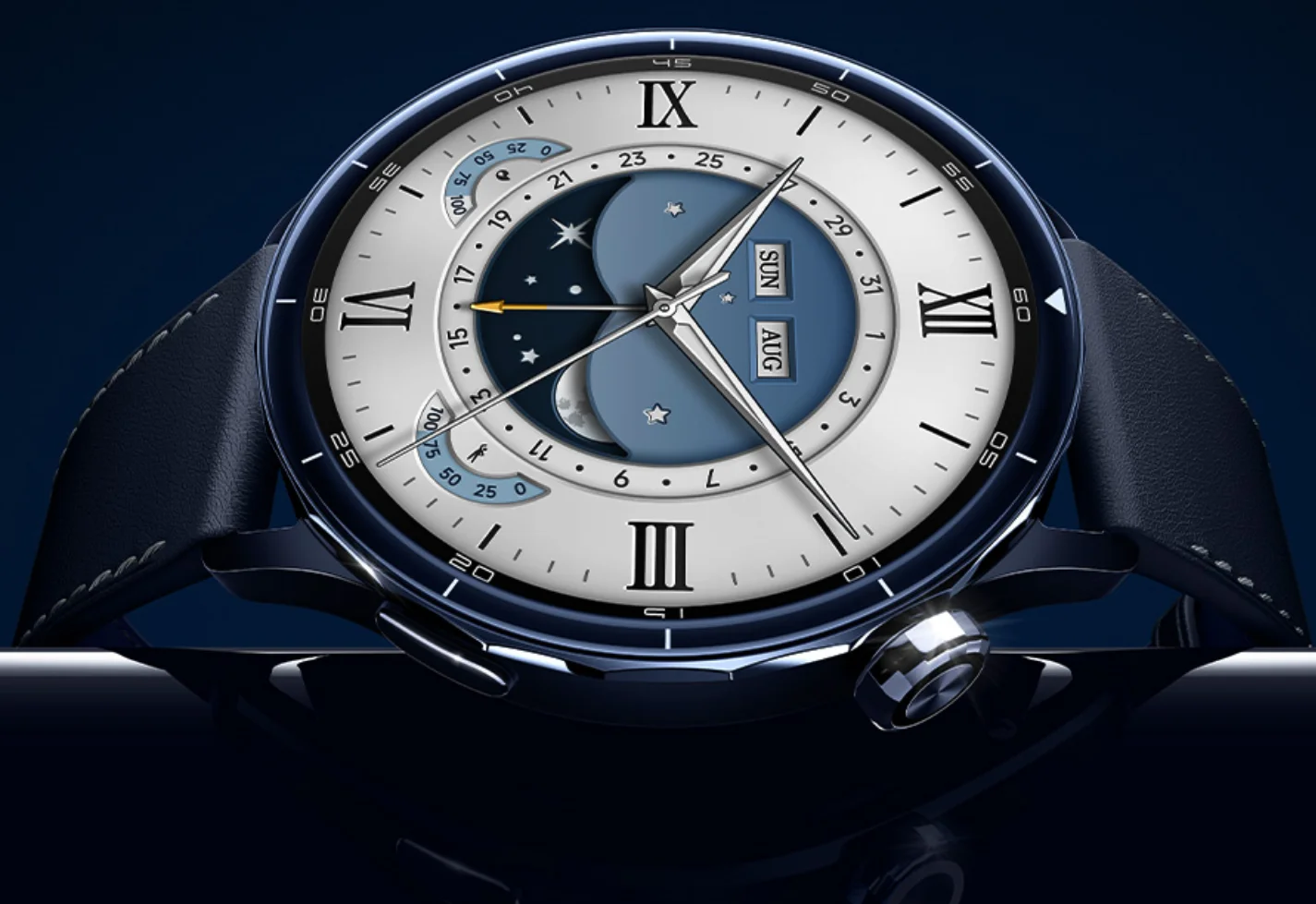
📱 Ecosystem Integration: The Hidden Cost of Choice
Your choice of phone often dictates your smartwatch experience more profoundly than any technical specification list. This isn’t just about features; it’s about daily convenience and the seamless flow of information that defines a truly integrated experience.
With Xiaomi/Redmi/POCO phones: If you’re rocking a Xiaomi 17/18 series device or a Redmi Note Pro, the Watch S5 transforms into an extension of your phone. You unlock native HyperOS 4 widgets right on your wrist, allowing for quick glances at essential info without pulling out your phone. NFC payment setup is remarkably seamless, and controlling your Mi Home smart devices directly from your wrist becomes second nature. Plus, automatic backup to Mi Cloud ensures your watch data is always safe. While third-party watches will work with your Xiaomi device, you’ll instantly lose 30–40% of these crucial convenience features, encountering what we call the “ecosystem tax.” This is a significant factor in any Premium Smartwatch Showdown 2026.
With Samsung Galaxy phones: The Galaxy Watch 8 delivers an experience of perfect symmetry with your Samsung Galaxy phone, thanks to One UI Watch. You get deep Samsung Pay integration, allowing for effortless contactless payments. Exclusive health insights are delivered directly through the Galaxy Wearable app, providing a cohesive health tracking experience. While non-Samsung Android users can still enjoy about 70% of the Watch 8’s functionality, they’ll miss out on some of these specialized integrations that make the Samsung ecosystem so powerful. Dive into Android ecosystem news to see how device integration evolves.
With iPhone: This is where all three smartwatches face challenges. Samsung, unfortunately, disables key features like ECG and blood pressure monitoring entirely when paired with an iPhone. The Amazfit Balance retains its core fitness tracking capabilities and its Zepp app remains fully functional on iOS, offering the least compromised experience of the three. Xiaomi’s iOS app, while functional for basic tasks, feels stripped of the vibrant ecosystem perks that make it shine with a HyperOS phone. If you’re an iPhone user, consider the limitations carefully.
The ecosystem tax: Buying a watch that doesn’t natively align with your phone’s brand incurs a “tax” of daily micro-frictions. This can manifest as manual app syncing, limited notification actions (e.g., no quick replies to messages), or the absence of native wallet integration. These small inconveniences add up over time, impacting your overall satisfaction. Factor this significant hidden cost into your decision, as it’s a crucial aspect often overlooked in a simple spec comparison. For more on optimizing your experience, check out our guide to HyperOS 4.
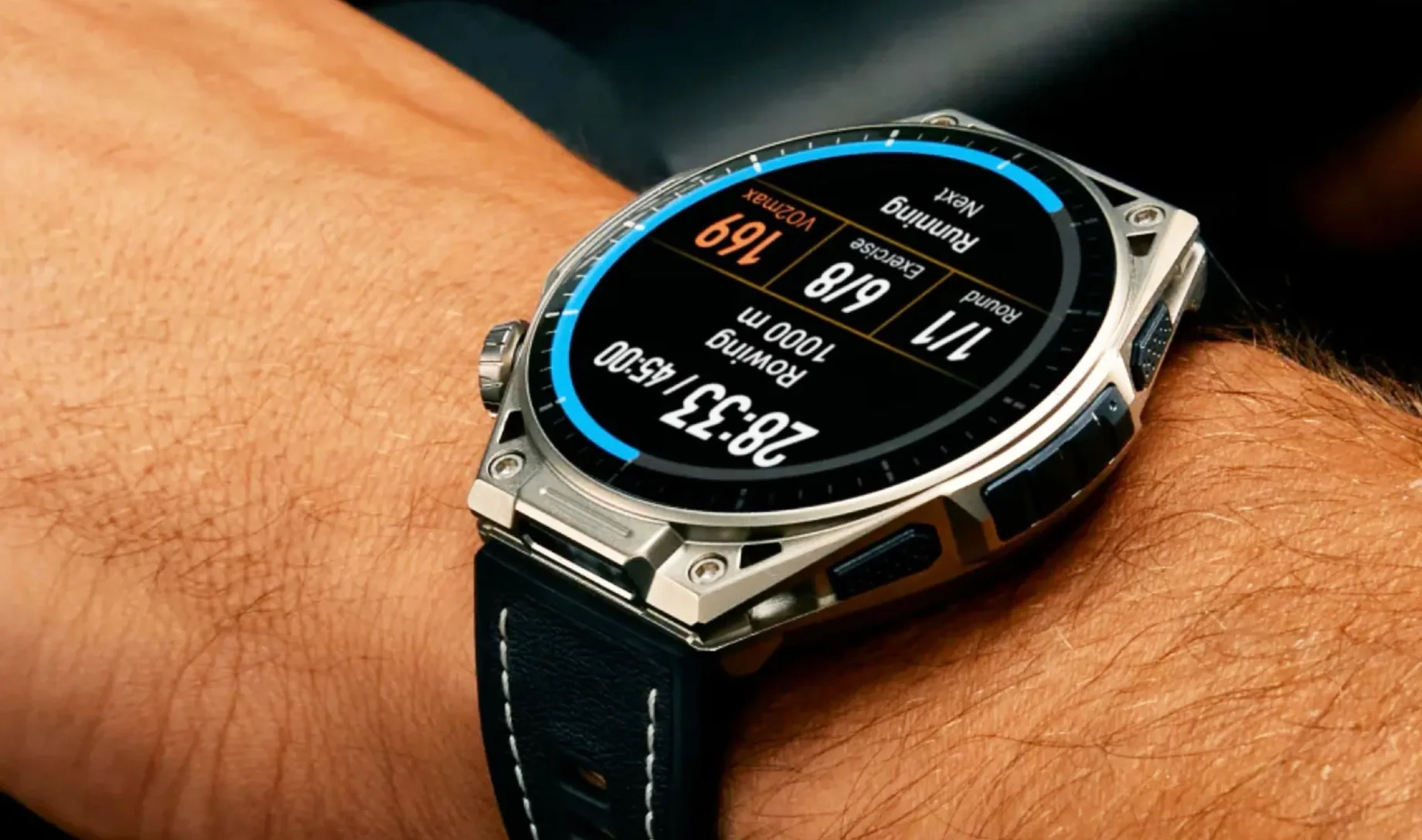
💎 Build, Display & Comfort: More Than Just Good Looks
Beyond the internal tech, how a smartwatch feels on your wrist, how durable it is, and how vibrant its screen appears significantly impacts your daily satisfaction. In this Premium Smartwatch Showdown 2026, the differences in build quality are noticeable.
The Samsung Galaxy Watch 8 stands out with its premium construction. Featuring a robust sapphire crystal display, it offers superior scratch resistance compared to standard glass. The casing is typically crafted from high-grade aluminum or even stainless steel in some variants, giving it a solid, luxurious feel. The display itself is a marvel, boasting up to 2000 nits of peak brightness. This means even under direct scorching sunlight, your notifications, maps, and workout data remain perfectly legible. The Watch 8 often comes with proprietary lugs for straps, which can limit third-party options but ensures a seamless aesthetic with Samsung’s own high-quality bands. Its design is sleek and professional, easily transitioning from a gym workout to a formal meeting.
The Xiaomi Watch S5 offers a well-built package that feels sturdy and modern. While it might not always feature sapphire crystal, its glass is typically toughened and quite resilient for everyday knocks. Xiaomi often utilizes aluminum alloy for its watch bodies, striking a good balance between durability and a lightweight feel. The AMOLED display is bright and vibrant, offering excellent clarity and color reproduction, though it might not hit the extreme brightness levels of Samsung’s flagship. Xiaomi watches usually use standard 22mm watch straps, which is a huge bonus as it opens up a world of affordable and stylish third-party customization options, allowing you to personalize your watch without breaking the bank.
The Amazfit Balance focuses on being lightweight and comfortable for prolonged wear, especially during intense workouts or sleep tracking. It typically uses an aluminum alloy casing, making it incredibly light on the wrist. While its display might not reach Samsung’s peak brightness, its AMOLED screen is still very good, offering excellent contrast and visibility in most conditions. The always-on display is exceptionally power-efficient, a testament to Amazfit’s software optimization. Like Xiaomi, Amazfit generally uses standard 22mm quick-release straps, giving users ample choices for customization. The Balance’s design leans more towards a sporty, functional aesthetic, but it’s elegant enough for daily wear.
All three watches offer varying degrees of water resistance, typically 5ATM (50 meters), making them suitable for swimming and showering. However, Samsung’s robust build often provides a slight edge in perceived durability for accidental impacts.
💰 Total Cost of Ownership: What You’ll Actually Spend
The initial purchase price is just the tip of the iceberg when it comes to smartwatch ownership. To truly understand the long-term investment, we need to consider several other factors that contribute to the total cost. This analysis is crucial for making an informed decision in a high-stakes Premium Smartwatch Showdown 2026.
| Cost Factor | Xiaomi Watch S5 | Amazfit Balance | Samsung Galaxy Watch 8 |
|---|---|---|---|
| Base Price | $299 | $249 | $449 |
| Premium Straps | $15–25 (wide third-party) | $12–20 (standard 22mm) | $30–50 (proprietary lugs) |
| Subscriptions | None | None | Samsung Care+ optional ($3/mo) |
| Repair Cost | Moderate (Mi Service centers) | Low (Zepp mail-in) | High (Samsung authorized only) |
| Resale Value | Medium | Low | High (Samsung brand retention) |
Let’s break down these factors:
Base Price: As shown, the Amazfit Balance is the clear leader here, offering premium features at a mid-range price point. Xiaomi sits comfortably in the middle, providing good value, while Samsung occupies the premium tier.
Premium Straps: This is where proprietary designs can sting. Samsung’s use of proprietary lugs means you’re often limited to their own, more expensive strap options, or a smaller selection of pricier third-party alternatives. Both Xiaomi and Amazfit, by embracing the standard 22mm strap size, open up a vast and affordable market of third-party straps, allowing for much cheaper customization. Want to switch between a leather band for work and a silicone one for the gym? It’s significantly more budget-friendly with Xiaomi or Amazfit.
Subscriptions: While none of these watches require a subscription to function, Samsung offers an optional Samsung Care+ plan for around $3/month. This acts like an insurance policy, covering accidental damage and extending warranty. While useful, it’s an additional ongoing cost to consider.
Repair Cost: If something goes wrong out of warranty, repair costs can vary significantly. Xiaomi benefits from its extensive network of Mi Service centers, often leading to moderate repair costs. Amazfit typically uses a mail-in repair service via Zepp, which can be slower but generally incurs lower costs. Samsung, with its authorized-only repair centers and complex components, tends to have the highest repair costs.
Resale Value: Samsung enjoys strong brand recognition and retention, meaning its Galaxy Watch models tend to hold their value better on the second-hand market. Xiaomi’s resale value is decent but depreciates faster than Samsung. Amazfit, while excellent value new, typically has the lowest resale value, as its brand doesn’t command the same premium as Samsung or even Xiaomi in the secondary market.
3-year projection: When factoring in potential strap replacements and the possibility of out-of-warranty repairs, the Amazfit Balance could save you a substantial $150–200 compared to the Samsung Galaxy Watch 8 over three years. Xiaomi strikes a good balance, offering better resale value than Amazfit but potentially higher accessory costs if you’re constantly buying unique straps.
🎯 Decision Matrix: Which Watch Fits YOUR Profile?
Choosing the right smartwatch isn’t a one-size-fits-all situation. It’s about matching a device’s strengths to your unique lifestyle and priorities. Here’s our breakdown to help you navigate this Premium Smartwatch Showdown 2026:
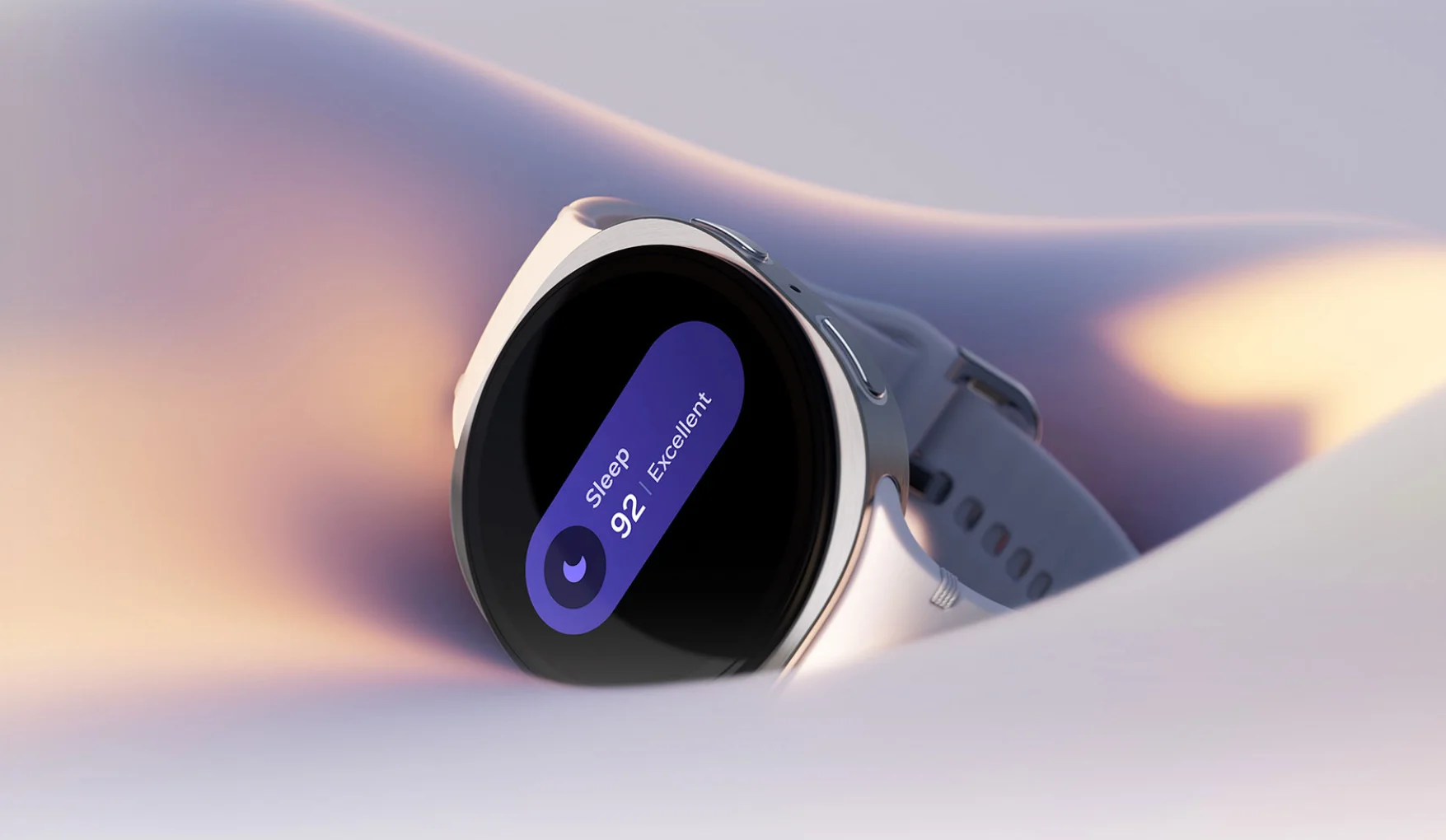
👔 The Executive / Professional
Pick: Samsung Galaxy Watch 8
If you need a device that exudes professionalism, seamlessly integrates with your corporate life, and offers ultimate connectivity, the Galaxy Watch 8 is your go-to. Its polished Wear OS 6 UI is intuitive and sophisticated, making it a joy to use. With Google Wallet for quick contactless payments and an optional LTE variant for phone-free calls, texts, and emails, it’s built for efficiency. The Watch 8’s premium aesthetics, often featuring high-quality materials and a refined design, ensure it looks perfectly at home whether you’re in a boardroom or hitting the gym. Just be prepared to budget for daily charging, as its rich feature set comes with a power consumption trade-off.
🏃 The Serious Athlete / Runner
Pick: Amazfit Balance
For those who live and breathe fitness, the Amazfit Balance is an undisputed champion. Its dual-band GPS offers unparalleled accuracy, crucial for precise pace tracking during interval runs or navigating complex trails. The stellar 14-day battery life is a game-changer, supporting ultra-training blocks without the need for constant charging interruptions. With advanced recovery metrics like PAI and Training Load, it provides actionable insights to optimize your performance and prevent overtraining. Its lightweight design ensures it virtually disappears on your wrist, allowing you to focus entirely on your workout. This is hands down the best pure fitness tool you can get for under $300.
📱 The Xiaomi Ecosystem User
Pick: Xiaomi Watch S5
If your daily driver is a Xiaomi 17/18 series or a Redmi Note Pro phone, the Xiaomi Watch S5 isn’t just a smartwatch; it’s an integrated extension of your digital life. The HyperOS 4 integration is genuinely unmatched, offering native widgets, seamless NFC payment setup (with supported banks), and effortless control over your Mi Home smart devices directly from your wrist. You’ll also benefit from consistent software updates well into 2028, ensuring longevity and access to new features. You’ll need to accept a 5-day battery life as the trade-off for this deep, convenient ecosystem synergy, but for a true Xiaomi fan, it’s a small price to pay for unparalleled convenience. For insights into Xiaomi device launches, keep an eye on our blog.
💡 The Value Maximizer
Pick: Amazfit Balance
For savvy shoppers who prioritize function over brand prestige, the Amazfit Balance offers an incredible proposition. It delivers roughly 90% of the premium features found in watches costing hundreds more, all at just 55% of the Samsung Galaxy Watch 8’s price. It’s ideal if you want robust fitness tracking, excellent battery life, and a reliable smartwatch experience without any hidden subscription creep or unnecessary frills. It proves you don’t need to spend top dollar to get a top-tier experience.
🍏 The iPhone User
Pick: Amazfit Balance
For iPhone users caught between the Android-focused giants, the Amazfit Balance provides the least compromised experience. While Samsung disables key health features like ECG and blood pressure monitoring when paired with an iPhone, and Xiaomi’s ecosystem perks are largely lost, Amazfit’s Zepp app remains fully functional on iOS. You’ll get robust fitness tracking, excellent battery life, and consistent notifications without the frustration of missing features due to platform incompatibility.
❓ Frequently Asked Questions
Can I use Xiaomi Watch S5 with a Samsung phone?
Yes, you can pair the Xiaomi Watch S5 with a Samsung phone via the Mi Fitness app. However, you will lose out on HyperOS-specific widgets, quick NFC payment shortcuts, and some advanced notification actions. Core fitness tracking, basic notifications, and health monitoring will still work fine.
Does Amazfit Balance support Google Pay or Apple Pay?
No, the Amazfit Balance does not offer native Google Pay or Apple Pay support. It relies on its own Zepp Pay service, which has limited regional availability, or QR-based payments where supported. For seamless contactless payments, the Samsung Galaxy Watch 8


1 thought on “Xiaomi Watch S5 vs Amazfit Balance vs Samsung Galaxy Watch 8: The Ultimate Premium Smartwatch Showdown 2026”