Xiaomi leads the smart glasses market in 2026 with Mijia
Smart Glasses Market in 2026: The Rise of Mijia
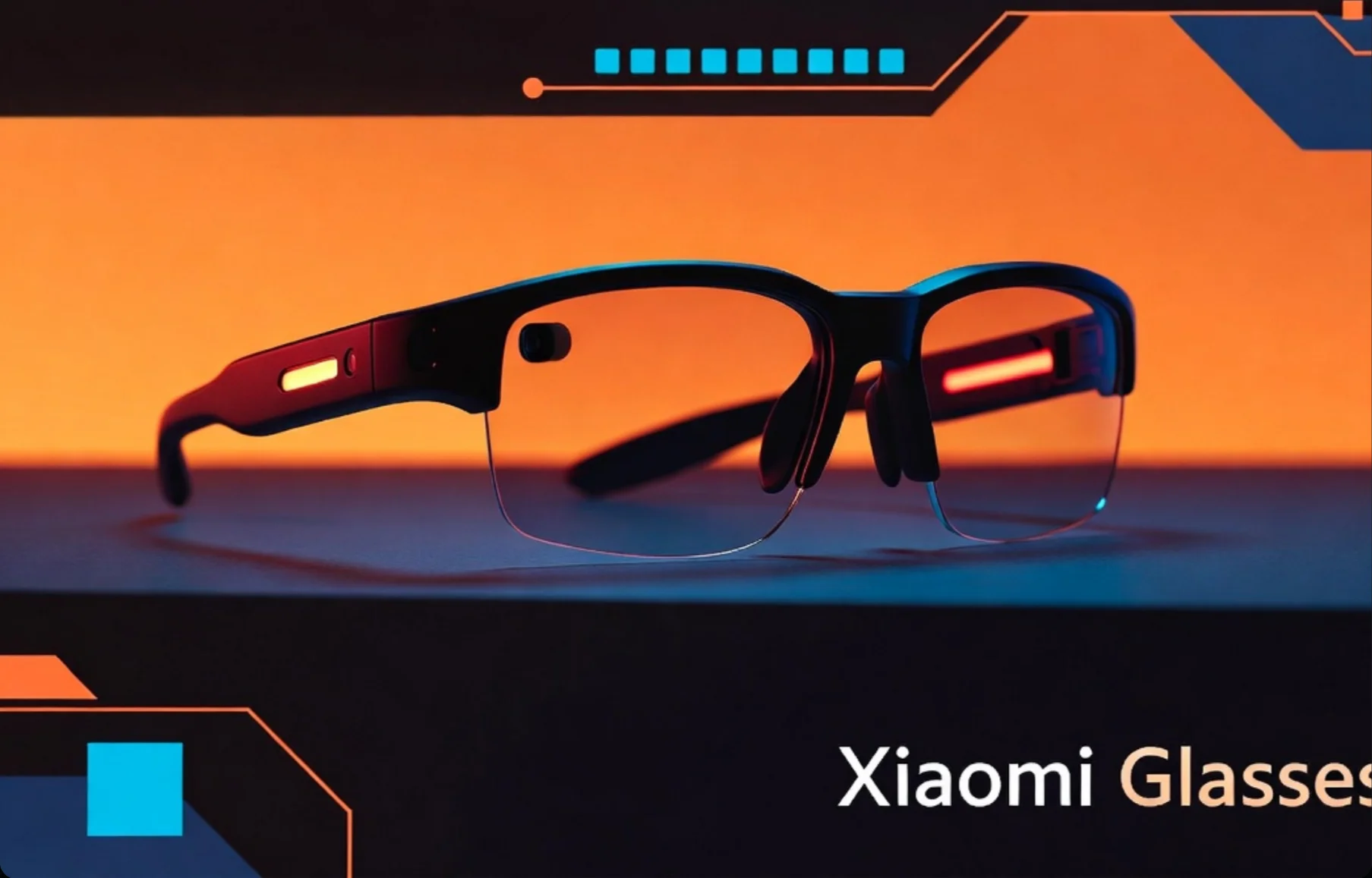
The wearable tech landscape is shifting beneath our feet, and Xiaomi leads the smart glasses market in 2026 with an impressive 28% share in China. As consumers move away from bulky VR headsets toward sleek, everyday-ready eyewear, Xiaomi’s Mijia line has emerged as the definitive choice. By blending high-end audio, AI-driven features, and deep integration with the HyperOS ecosystem, the company is proving that the future of computing isn’t just in your pocket—it’s on your face.
A Global Explosion in Intelligent Eyewear
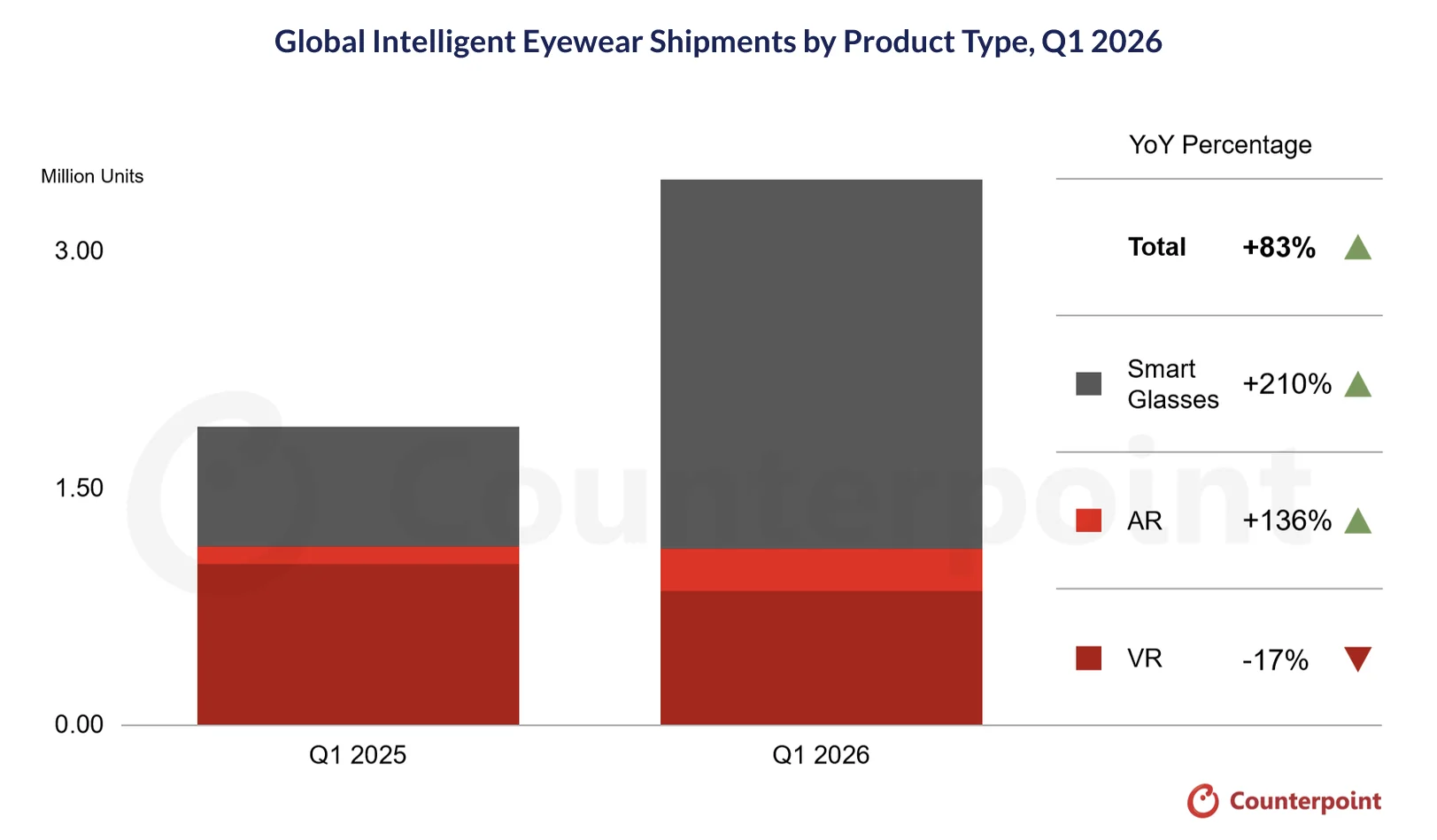
The intelligent eyewear sector saw a staggering 83% year-on-year growth in the first quarter of 2026. While traditional VR hardware has faced a 17% decline, “displayless” smart glasses—devices focused on AI, audio, and camera utility—have skyrocketed by 210%.
This shift highlights a clear consumer preference: users want devices that are lightweight, comfortable, and useful for all-day wear. In China, the market is particularly dynamic, driven by aggressive pricing and a seamless blend of AI services that put the country at the forefront of this wearable revolution.
The Secret Sauce: Why Xiaomi Mijia Dominates
Xiaomi’s success isn’t just about hardware specs; it’s about how these devices fit into a user’s lifestyle. The Mijia Smart Audio Glasses have become the gold standard for several reasons:
- Premium Open Audio: High-quality directional speakers that provide immersive sound while keeping you aware of your surroundings.
- Integrated AI Intelligence: Equipped with a camera for real-time translation, object recognition, and high-resolution photo/video capture.
- HyperOS Integration: Perhaps the biggest differentiator, these glasses act as a hub for your smart home. You can control lights, vacuum cleaners, and even your Xiaomi SU7 using simple voice commands via XiaoAI.
- Battery Life: Up to 8–9 hours of continuous usage, ensuring they last through a full workday.
Technical Specs at a Glance
| Feature | Mijia Smart Audio Glasses |
|---|---|
| Connectivity | HyperOS / Bluetooth 5.x |
| Audio | Directional / Bone Conduction |
| Battery Life | 8-9 Hours (Active) |
| AI Features | Translation, Object Recognition, Voice Assistant |
| Design | Interchangeable Frames |
Competition and Ecosystem Power
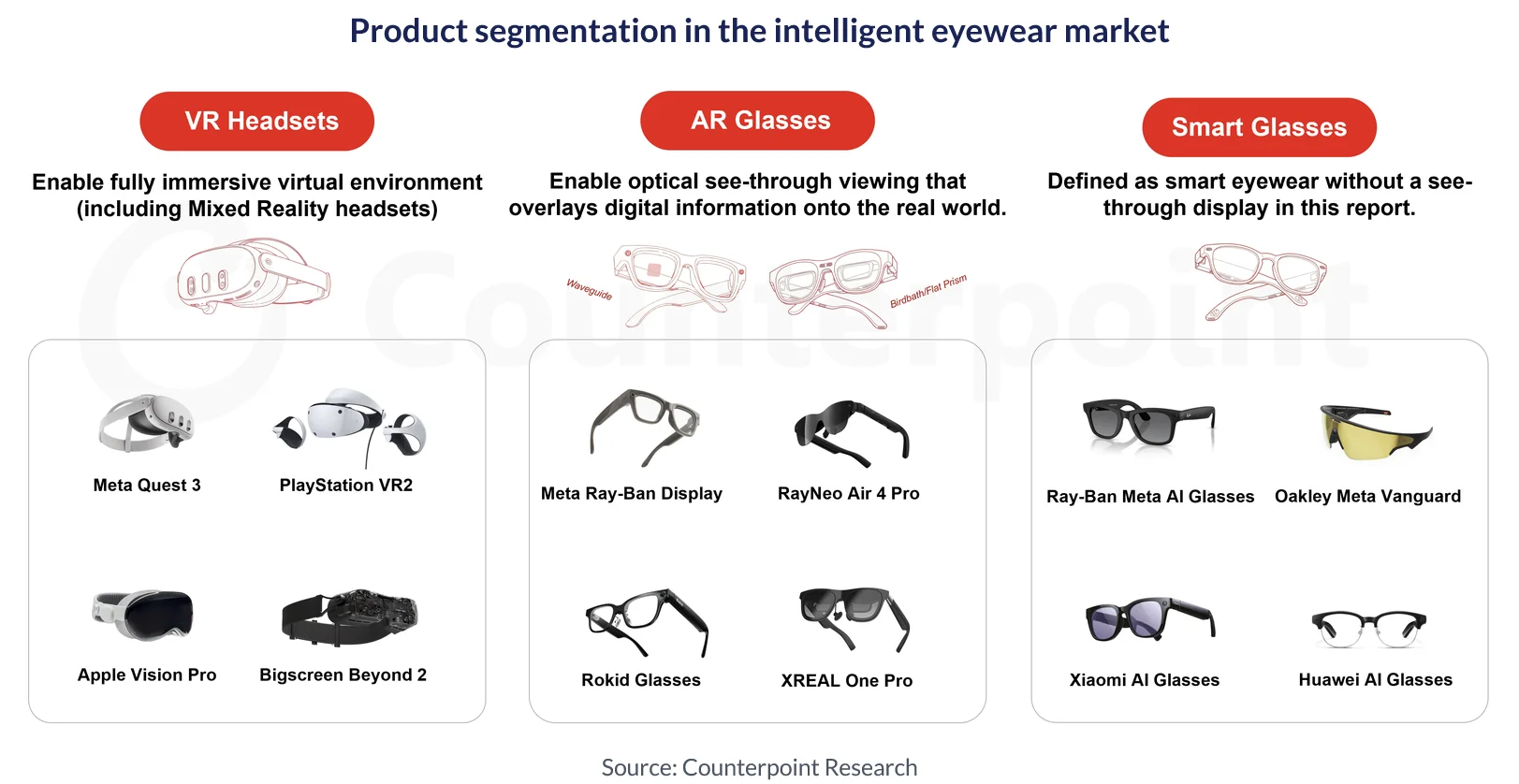
While Meta currently leads the global conversation with the Ray-Ban Meta collection, Xiaomi offers a distinct advantage: a far deeper integration with the broader Android ecosystem. If you are already rocking Xiaomi products, the synergy between your smartphone, your Xiaomi Watch S5, and your glasses is unmatched.
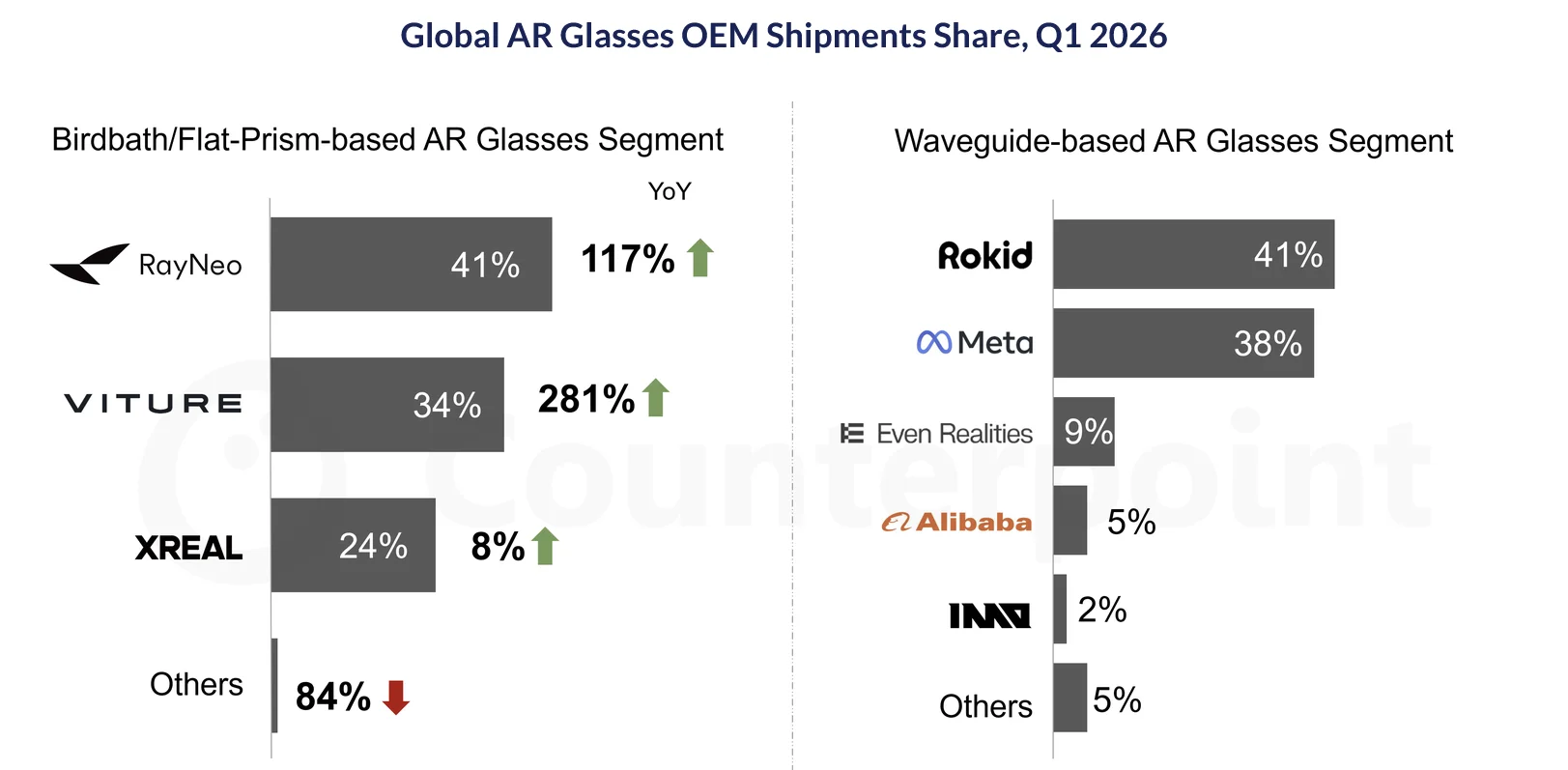
Unlike competitors like Rokid or Xreal, which focus heavily on virtual AR screens, Xiaomi has prioritized the “always-on” utility of displayless tech. It’s the ultimate accessory for the modern, connected user.
Expanding Beyond China: What’s Next?
For fans in Europe, the availability of these devices has already begun to trickle into markets like Spain, with prices ranging from 180€ to 250€. While advanced AI features are currently best-optimized for the domestic Chinese market, the global roadmap for 2026-2027 suggests we will see expanded language support and international AI integrations soon.
If you want to see how this fits into the wider picture of technology, it’s worth reading up on how Xiaomi HyperOS 4 is redefining connectivity across all their devices.
Conclusion: A New Era of Wearables
Xiaomi’s leadership in the smart glasses market is a testament to their broader strategy of creating a unified, intelligent world. By making the Mijia glasses a central node in the HyperOS network, they have moved past simple gadgets to create a seamless extension of the user. Whether you are managing your smart home or needing real-time translation on the go, these glasses represent the most practical, stylish step forward in modern tech.