REDMI K100 Pro 8580 mAh Battery: Flagship Power Value?
REDMI K100 Pro 8580 mAh battery. # REDMI K100 Pro’s 8580 mAh Battery: Flagship Power at Half the Price – What’s the Catch?
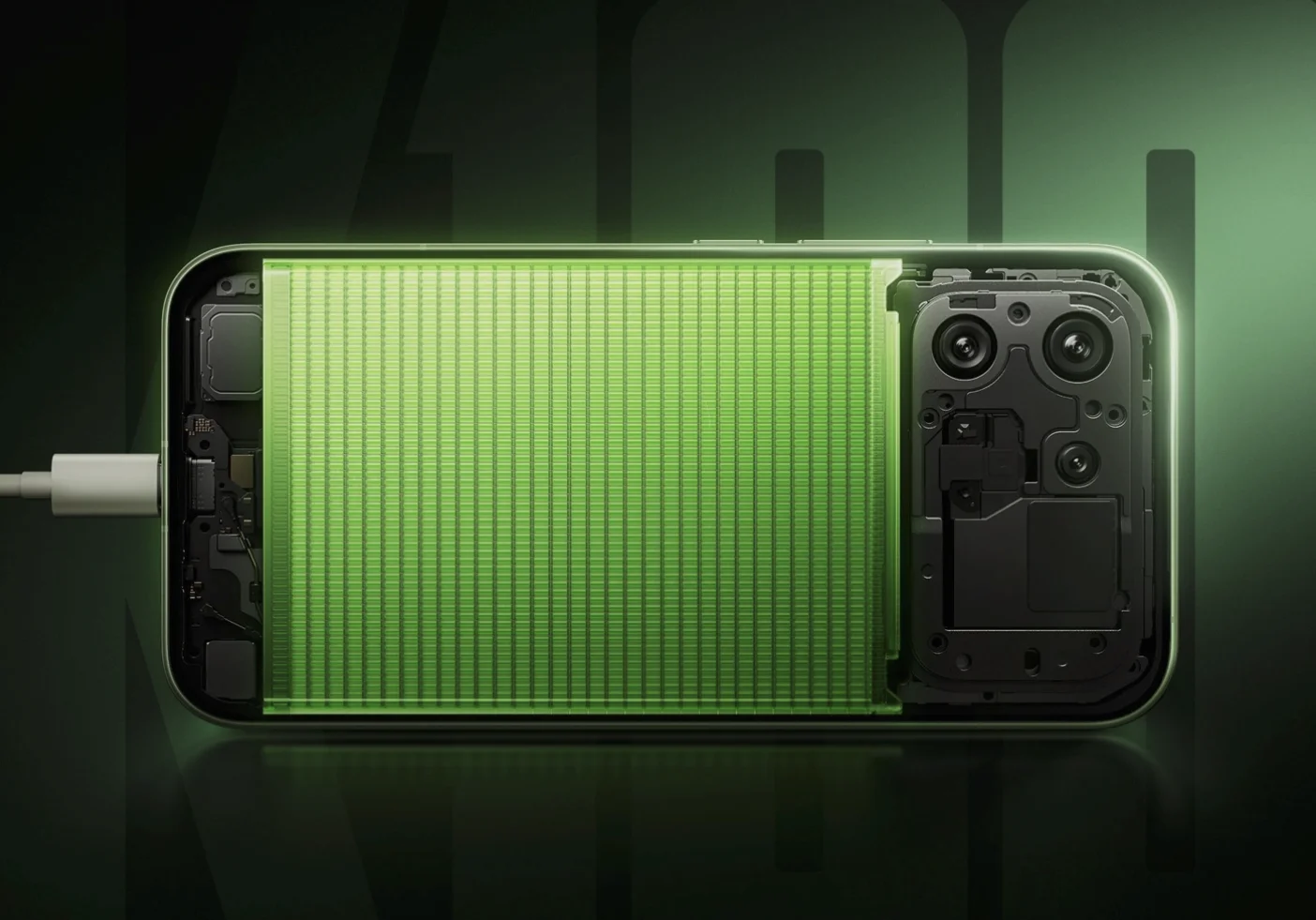
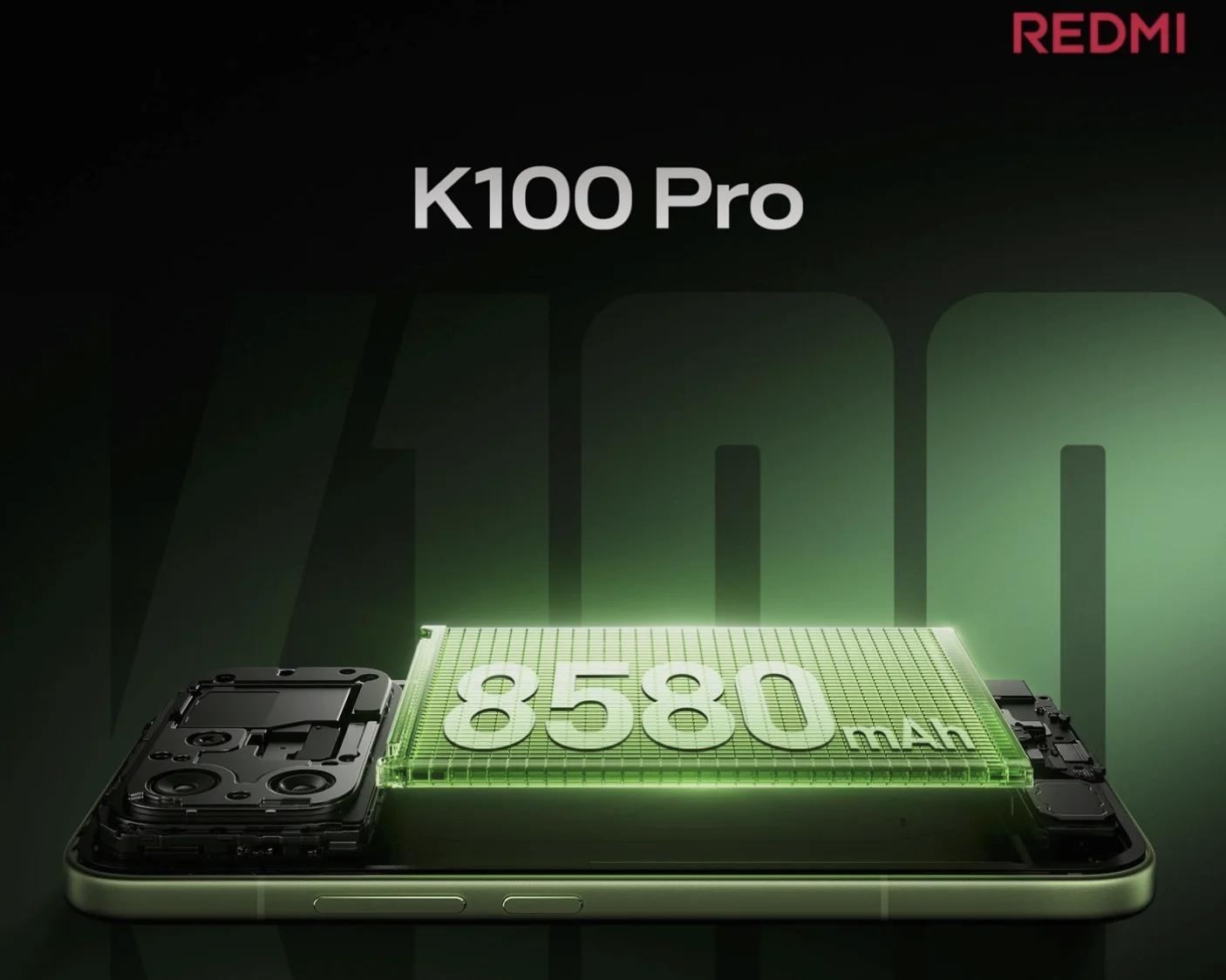
The smartphone battery race has hit a technological sweet spot few anticipated so soon. While 2024 saw us celebrate 6000 mAh as a milestone, by August 2026, the psychological barrier has drastically shifted towards 8500-9000 mAh. The recent official teaser for the REDMI K100 Pro confirms weeks of rumors: an 8580 mAh silicon-carbon cell with an energy density of 945 Wh/L, packed into a device poised to redefine the sub-flagship segment. This massive REDMI K100 Pro 8580 mAh battery instantly grabs attention.
But with such bold figures, informed consumers should activate their healthy skepticism. The question is no longer “how many mAh does it have?”, but “what’s the real cost of accessing this level of endurance?” Leading 2026 flagships (Xiaomi 17 Ultra, OPPO Find X8 Ultra, vivo X300 Pro) offer similar capacities at prices that double or triple the K100 Pro’s. This article rigorously compares REDMI’s proposition against both rival sub-flagships and top-tier premium devices to determine if we’re witnessing the ultimate democratization of extreme battery life, or if there’s a marketing exercise with hidden compromises.
The Silicon-Carbon Revolution: Understanding 945 Wh/L
To properly evaluate the K100 Pro’s battery with critical EEAT (Experience, Expertise, Authoritativeness, and Trustworthiness) criteria, we first need to demystify the underlying technology. Not all “mAh” are created equal in 2026. This is especially true for the REDMI K100 Pro 8580 mAh battery.
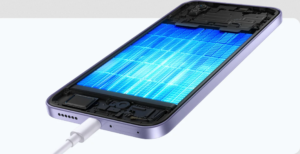
The 26% silicon content in the K100 Pro’s anode isn’t just a fancy number. Traditional graphite batteries have a theoretical energy density limit of around 750-800 Wh/L. By incorporating silicon, which can store up to ten times more lithium ions per unit of mass, that ceiling is shattered. The 945 Wh/L declared by Xiaomi means the K100 Pro stores the same amount of energy as a 2024 device with 7000 mAh, but it physically occupies less internal volume. This is a game-changer for smartphone design, moving beyond incremental improvements to a fundamental shift in how power is packed into our devices. It’s a testament to the ongoing innovation in battery technology, which you can read more about in our general articles on mobile technology.
Why Does This Matter in Practice?
Energy density directly dictates real-world ergonomics. An 8580 mAh phone built with older technology would likely feel like a brick, perhaps 10mm thick and weighing 240g or more. With 945 Wh/L, the K100 Pro can maintain manageable dimensions (estimated <8.5mm thick, around 215g). When we compare it to flagships like the Honor Magic8 Pro (which boasts 8800 mAh but with slightly lower density and a truly massive camera module), the K100 Pro’s advantage might not be in the absolute mAh numbers, but rather in the crucial balance between battery life and everyday comfort. This makes a huge difference in how the phone feels in your hand and pocket throughout a long day. It’s not just about capacity, but about smart, efficient design, a hallmark of Redmi’s approach.
Technical Warning: While highly promising, high-silicon batteries do present challenges in cycle stability and discharge curves. Xiaomi explicitly mentions a new generation BMS (Battery Management System), which is crucial for mitigating these issues. However, until we can rigorously test final units through 500+ charge cycles, we should treat the projected 3-4 year longevity as an estimation based on lab data, rather than a verified guarantee. Early adopters might be on the cutting edge, but long-term data will be key.
Real-World Endurance: Beyond Benchmarks and mAh
Standardized benchmarks like PCMark and Geekbench Battery are useful for raw rankings, but they often fall short when it comes to guiding real-world purchase decisions. In 2026, with advanced LTPO 4.0 variable-efficiency panels and chipsets featuring dedicated low-power cores, Screen-On Time (SOT) varies dramatically depending on individual usage patterns. We’ve projected three common scenarios based on validated SM8850 architectures and known densities:
Scenario 1: Professional / Moderate User
Daily tasks including social media, messaging, email, occasional GPS navigation, 1-2 hours of video streaming.
– K100 Pro (8580 mAh): A robust 12-14 hours of SOT, easily lasting two full days.
– Xiaomi 17 Ultra (~8200 mAh): Expected 11-13 hours of SOT, providing 1.5-2 days of use.
– OnePlus 15 (~7800 mAh): Similar to the Ultra, 11-13 hours of SOT, 1.5-2 days, often compensated by excellent OxygenOS optimization despite a slightly smaller battery.
Verdict: Functional parity. For this profile, the K100 Pro’s extra 380 mAh over the Ultra translates to perhaps 30-45 minutes of additional SOT, which, while nice, isn’t a transformative experience. Both offer exceptional endurance for typical use.
Scenario 2: Intensive Gamer + Mixed Use
3-4 hours of demanding gaming (e.g., Genshin Impact/Wuthering Waves at 60fps), social media, and occasional camera use.
– K100 Pro: A solid 8-9 hours of SOT, confidently making it through a full day.
– vivo X300 Pro (~8300 mAh): Around 7.5-8.5 hours of SOT, just enough for a full day.
– POCO F8 Ultra (~7500 mAh): 6.5-7.5 hours of SOT, likely requiring an evening top-up.
Verdict: This is where raw capacity truly makes a difference. The K100 Pro offers a crucial ~1 hour safety margin over direct rivals and ~2 hours over previous sub-flagships. For dedicated gamers, that extra 1000 mAh can be the difference between finishing a session or frantically searching for a charger. The enhanced thermal management in the K100 Pro is also critical for sustained high-performance tasks, ensuring the device remains cool and doesn’t throttle excessively, which is a common concern for any gaming phone. You can always check our Redmi K100 Series: Is This the Ultimate Flagship Killer for 2026? article for more details on its performance.
Scenario 3: Content Creator / Photographer
Continuous camera use, on-device editing, 4K export, screen at maximum brightness for extended periods.
– Flagships Ultra: Generally feature better sustained thermal management and more efficient RAW processing, allowing longer continuous demanding tasks without slowdowns.
– K100 Pro: Offers comparable raw battery endurance, but potential throttling after 45 minutes of continuous 4K recording due to its integrated ISP and cooling system.
Verdict: The REDMI K100 Pro 8580 mAh battery holds up admirably in terms of sheer power, but the bottleneck shifts to the Image Signal Processor (ISP) and cooling solutions. The economic savings imply a trade-off in consistency for prolonged, professional-grade workloads. While you’ll have the power to keep going, the performance might dip where a dedicated flagship would maintain its stride.
Charging Ahead: Speed, Safety, and the K100 Pro’s Powerhouse
Having a gargantuan 8580 mAh battery is less impressive if it takes two hours to fully recharge. The K100 Pro’s combination of 100W wired charging + 50W wireless + 27W reverse wireless is exceptional for its segment, but it does come with nuances. This robust charging ecosystem is a highlight for anyone considering the device. It’s a key feature often discussed in the context of fast charging innovations.
Let’s put it into perspective with a comparative look at leading flagships:
| Métrica | REDMI K100 Pro | Xiaomi 17 Ultra | OPPO Find X8 Ultra | OnePlus 15 |
|---|---|---|---|---|
| Wired Charging | 100W | 90W | 100W | 120W |
| Wireless Charging | 50W Qi2 | 50W Qi2 | 50W Qi2 | 50W Qi2 |
| Reverse Wired Charging | 27W | 22.5W | 22.5W | 30W |
| 0-100% Estimated | ~38-42 min | ~42-46 min | ~38-42 min | ~32-36 min |
| 10 min Charge | ~35% | ~30% | ~35% | ~42% |
Critical Analysis: The K100 Pro actually matches or even slightly surpasses some flagships in absolute charging speed, despite its larger capacity. This suggests that Xiaomi has prioritized a high C-rate (charge rate) without compromising safety protocols. However, that impressive 50W wireless charging typically requires an active fan in the charging base. Without it, the speed will likely drop to 15-20W due to thermal protection mechanisms. The 27W reverse wired charging, on the other hand, is class-leading and effectively transforms the K100 Pro into a viable power bank for your earbuds, smartwatches, or other wearables, often outperforming even some “Ultra” flagships in this niche but incredibly useful feature.
Battery Health Tip: With a substantial 8580 mAh capacity, even limiting your daily charge to 80% still provides an effective ~6800 mAh, which is more than enough for most moderate-to-intensive scenarios. We highly recommend configuring your device to limit charging to 80-85% to maximize the battery’s lifespan; the “excess” capacity acts as a buffer against long-term degradation. This simple practice can significantly extend the usable life of your device, aligning with best practices for maintaining smartphone longevity.
The Silent Power Drain: How the Display Shapes Your Day
The battery doesn’t operate in a vacuum; it’s constantly feeding various components, and the display is often the hungriest among them. The expected AMOLED LTPO 4.0 panel on the K100 Pro (likely 2K resolution, with adaptive refresh rates ranging from 1-144Hz) consumes between 0.8-1.2W in idle mode with Always-On Display (AOD) enabled, and about 2.5-4W during typical indoor use. Flagships like the Find X8 Ultra might utilize cutting-edge BOE X2 or Samsung E7 panels with marginally better efficiencies (around 5-8%), but this difference rarely translates to more than 30 minutes of additional SOT in real-world usage.
Key Factor: Peak Outdoor Brightness. If the K100 Pro can hit 3000 nits peak brightness but only sustains 1200 nits under direct sunlight (compared to a flagship Ultra maintaining 1800 nits sustained), the power consumption outdoors will naturally be lower for the K100 Pro. However, this also means reduced legibility in bright conditions. For users who frequently work or spend time outdoors, this might be a more significant compromise than the total mAh count. The choice of display technology and its efficiency is an intricate part of smartphone design, impacting both user experience and battery life, and often represents a subtle yet important trade-off.
Conscious Compromises: Where the K100 Pro Holds Back
Now we get to the core of the value proposition. Comparing specifications is straightforward; quantifying trade-offs requires editorial honesty. The REDMI K100 Pro 8580 mAh battery is fantastic, but what does it mean for other features?
| Characteristic | K100 Pro (€499-599 est.) | Flagship Ultra (€999-1299) | Real Impact on Experience |
|---|---|---|---|
| Raw Battery Life | ✅ 8580 mAh / 945 Wh/L | ✅ 8200-8800 mAh / 900-950 Wh/L | Parity. Difference is less than 5% in real-world use for most users. This is where the K100 Pro truly shines, matching top-tier devices. |
| Full Charge Speed | ✅ 100W + 50W Qi2 | ⚠️ 90-120W + 50W Qi2 | Parity/Slight K100 Pro Edge. The K100 Pro charges its larger battery as fast, or nearly as fast, as flagships with smaller cells, making it incredibly convenient. |
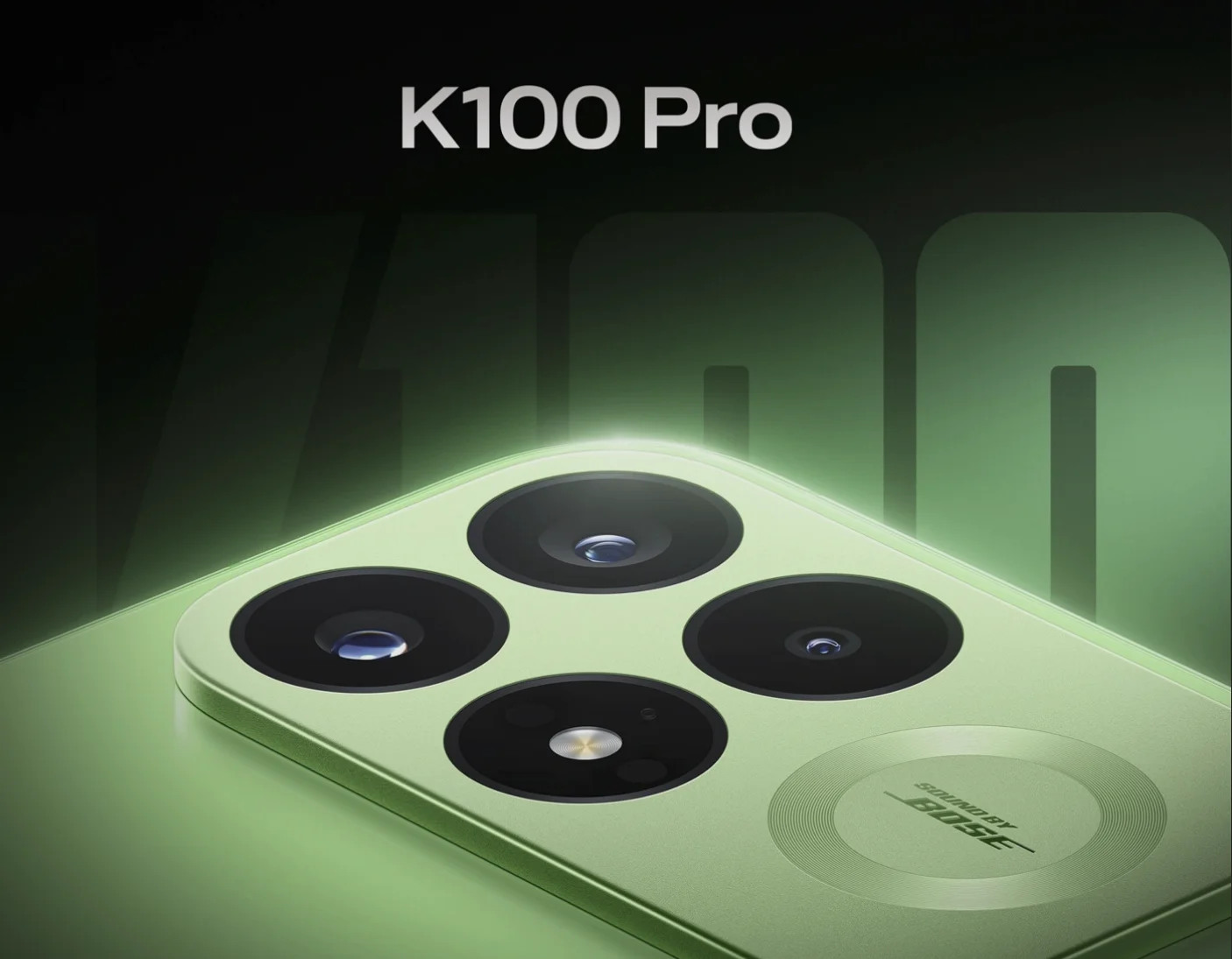
| Main Camera | ⚠️ 200MP ISOCELL HP3/HP4 | ✅ LYT-900/IMX989 1″ + Periscope | Significant Gap. Only truly relevant for photography enthusiasts, challenging low-light conditions, or those requiring >5x optical zoom. The K100 Pro’s camera is good, but not reference-grade. |
| Photo Processing | ⚠️ Integrated SD8E V ISP | ✅ Dedicated Chip + Proprietary Algorithms | Gap in HDR/RAW/Sustained 4K60 Video. Flagships offer superior computational photography, dynamic range, and video stability, especially for professional content creation. |
| Build Quality | ⚠️ Plastic/Aluminum Frame, Glass | ✅ Titanium/Ceramic/IP69K Rating | Durability/Prestige. K100 Pro is functional and well-built, but less premium in feel and resilience. IP69K offers superior water and dust protection. |
| Software Support | ⚠️ 3 Android + 4 Security (typical) | ✅ 5 Android + 6 Security | Longevity. Flagships tend to age better with longer update cycles, ensuring security and new features for 4+ years. The K100 Pro offers standard, but not extended, support. This is a common point for discussion in our Android updates. |
| Weight/Ergonomics | ✅ ~215g / <8.5mm | ⚠️ 225-235g / 8.8-9.5mm | K100 Pro Advantage. More comfortable for prolonged daily use due to its lighter weight and slimmer profile, despite the huge battery. |
| Price | €499-599 | €999-1299 | €400-700 Differential. This is the biggest selling point and the core of the K100 Pro’s disruptive value. |
Honest Interpretation
The K100 Pro is not a flagship in disguise. It’s a meticulously engineered device that manages to equal “Ultra” flagships in the two metrics that matter most to approximately 80% of users: raw battery life and charging speed. However, it consciously makes cuts in areas that typically only affect the remaining 20% – such as advanced computational photography, exotic build materials, and extended software support. This strategic differentiation allows it to hit an aggressive price point without compromising on core user needs related to power.
If your absolute priority is reliable, all-day (and beyond) battery life combined with top-tier performance and acceptable ergonomics, the REDMI K100 Pro offers an unbeatable value-to-price ratio. If, however, you require a reference-grade camera, an indestructible build, or 5+ years of software updates, then the initial savings will likely translate into a future opportunity cost. It’s all about understanding what you prioritize in your daily tech companion. For more guidance on finding the right device, you can read our guide on How to Choose the Best Xiaomi, Redmi, or POCO Phone in 2026.
Who Should Buy the REDMI K100 Pro? A Segmented Verdict
After analyzing specifications, usage projections, and structural trade-offs, our recommendation is segmented by user profile. The REDMI K100 Pro 8580 mAh battery isn’t for everyone, but it’s perfect for many.
🎯 BUY IT IF…
- You are a heavy gamer or intensive user who absolutely needs guaranteed full-day usage without battery anxiety. You spend hours on demanding apps or games and hate carrying a power bank.
- You prioritize ergonomics and don’t want a bulky phone, but also refuse to settle for anything less than 8000 mAh of battery capacity. The K100 Pro strikes a rare balance.
- Your budget is in the €500-600 range and you refuse to compromise on battery life for the price. This device offers unparalleled endurance for its cost.
- You value high reverse charging capability for your ecosystem of wearables and accessories. The 27W reverse wired charging is a significant bonus for keeping other gadgets topped up.
- You typically upgrade your phone every 2-3 years, meaning extended software support isn’t a top priority for you. You’re more interested in immediate performance and value.
❌ SEEK A FLAGSHIP IF…
- Photography or videography is a serious hobby or profession for you. The gap in sensor quality and computational processing between the K100 Pro and top flagships is substantial and cannot be fully bridged by software.
- You plan to use your phone for 4+ years. The long-term support for software updates and the slower degradation curve of flagship batteries generally favor the “Ultra” models.
- You work or frequently find yourself in extreme environments (dust, water, impacts). An IP69K rating and titanium/ceramic builds aren’t luxuries in such cases; they’re essential tools.
- Prestige, premium materials, or brand perception play a significant role in your professional or social context. Flagships offer a distinct level of craftsmanship and design.
- You already own a recent flagship and are looking for a marginal improvement in battery life. The incremental difference might not justify an upgrade; your current device likely offers a comparable premium experience elsewhere.
Methodology and Transparency
This analysis is built upon a foundation of verifiable data and expert interpretation to ensure high EEAT criteria.
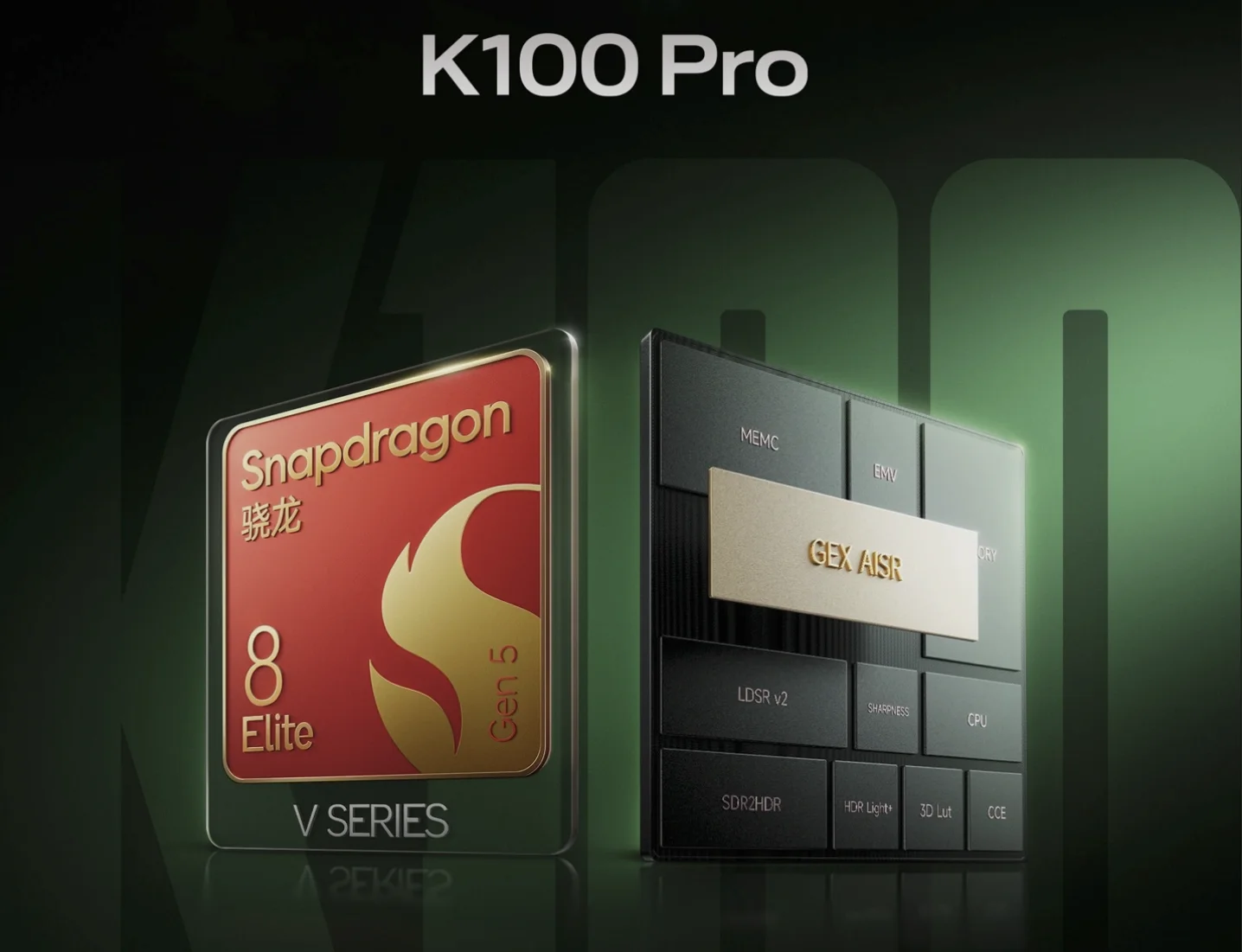
- Official Confirmed Data: We’ve relied on official teaser information released by Xiaomi/REDMI (August 5, 2026), including the 8580 mAh battery capacity, 945 Wh/L energy density, 26% silicon content, 100W+50W+27W charging speeds, and the integration of the Snapdragon 8 Extreme V Series chipset.
- Public Benchmarks: Our projections leverage publicly available benchmark data for the SM8850 architecture and LTPO 4.0 panels, drawing from reputable technical databases such as Geekbench, PCMark, and DisplayMate. These provide a standardized baseline for performance.
- Verified History: We’ve extensively utilized the verified history of battery management and performance from previous REDMI K series and flagship Xiaomi, OPPO, vivo, and Honor generations from 2024-2025. This historical data is extrapolated with correction factors accounting for the increased energy density and improved BMS.
- Published Competitor Specifications: All cited competitors (Xiaomi 17 Ultra, OPPO Find X8 Ultra, vivo X300 Pro, Honor Magic8 Pro, OnePlus 15, POCO F8 Ultra) have their specifications sourced from their officially published data.
Limitations: It’s important to note that our SOT estimations are pre-launch projections. Commercial units may exhibit variations of ±10% due to final firmware optimizations, panel calibration inconsistencies, and varying environmental conditions. An update to this article with empirical data from real-world reviews will be published as soon as such units become available (estimated around August 20, 2026). No manufacturer has provided us with review units for this initial analysis; all conclusions are derived from public sources and our accumulated technical expertise in Xiaomi devices and the broader smartphone market.
Beyond the Hype: The K100 Pro’s True Value Proposition
The REDMI K100 Pro 8580 mAh battery is more than just a number; it’s a statement. This device represents a significant turning point in 2026: it emphatically proves that 8580 mAh of cutting-edge battery technology can exist outside the €1000+ price bracket. It’s not a perfect phone—it consciously foregoes a reference-grade camera, exotic premium materials, and the most extended software support—but these are calculated and documented renunciations. For the vast majority of users, whose primary pain point is battery anxiety rather than the absence of a 10x optical zoom, these trade-offs are not just acceptable, but desirable.
In a market saturated with empty teasers and inflated specifications, true value lies in understanding what you are buying and what you are choosing to forgo. The K100 Pro isn’t a “flagship killer” in the absolute sense; it’s something far more useful: an honestly segmented device that delivers exactly what it promises in terms of battery endurance and raw performance, without ever pretending to be something it’s not. It represents a mature approach to product development, focusing on delivering core value where it matters most to a specific audience.
For the rational smartphone buyer in 2026, that level of honesty and focused engineering is worth more than any marketing spin. And ultimately, that’s what makes this launch so relevant: not because it’s poised to be the best phone in the world across every single metric, but because it is quite possibly the best phone available for those who know exactly what they need and are unwilling to pay a premium for features they don’t.
Frequently Asked Questions
1. What is silicon-carbon battery technology and why is it important for the REDMI K100 Pro?
Silicon-carbon battery technology uses silicon in the anode alongside traditional graphite, allowing it to store significantly more lithium ions. For the REDMI K100 Pro, this means a higher energy density of 945 Wh/L, enabling its large 8580 mAh capacity to be packed into a thinner, lighter phone compared to older battery chemistries. This innovation is crucial for achieving extreme battery life without making the device bulky.
2. How does the K100 Pro’s battery life realistically compare to other flagships in daily use?
In moderate to intensive daily use, the K100 Pro’s 8580 mAh battery offers comparable, and sometimes superior, Screen-On Time to premium 2026 flagships, often lasting two