Xiaomi HyperOS 4 Liquid Glass: The Android 17 UI Revolution
Xiaomi HyperOS 4 Liquid Glass: Transforming Your Device
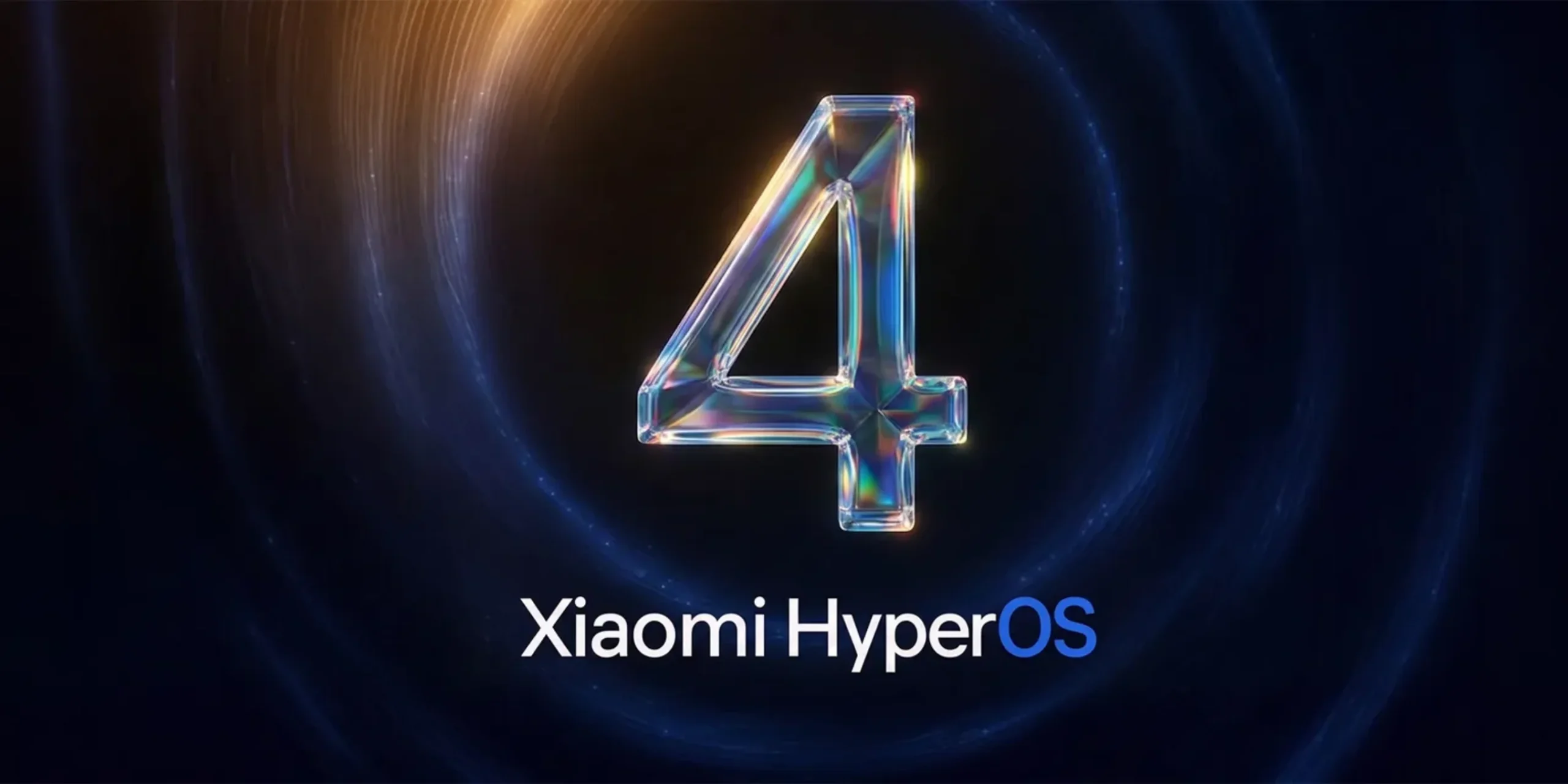
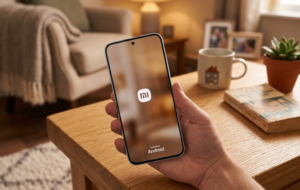
In the fast-moving world of smartphones, Xiaomi is shaking things up again. With the upcoming Xiaomi HyperOS 4 Liquid Glass based on Android 17, the brand is pushing visual boundaries like never before. This update isn’t just a fresh coat of paint; it’s a complete overhaul of how we interact with our screens. From fluid animations to stunning translucency, Xiaomi is set to redefine the “premium” feel for its global community.

Why Xiaomi HyperOS 4 Liquid Glass is a Game Changer
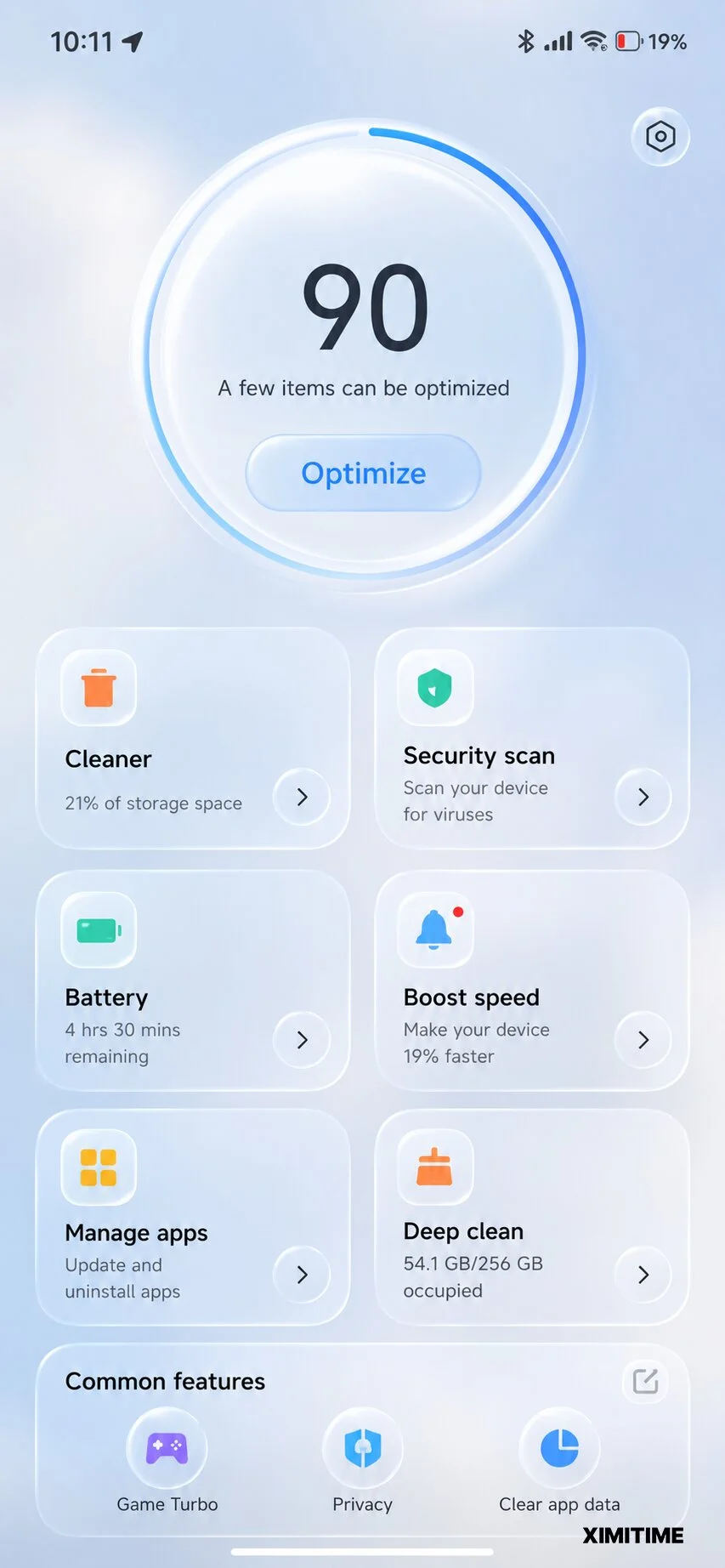
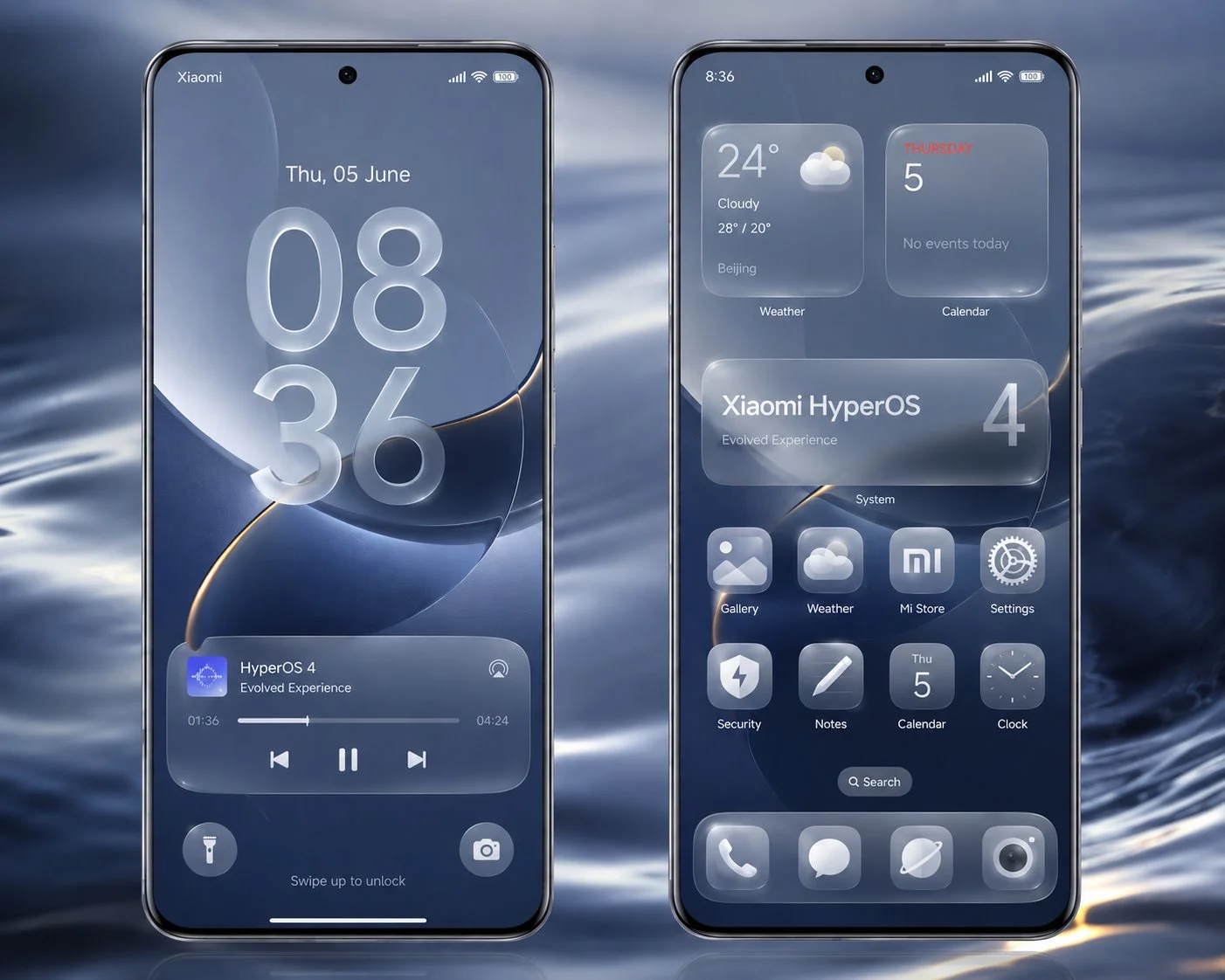
Let’s be honest, we’ve all seen “blur effects” before. Apple does it, Samsung does it, and even early versions of MIUI tried it. But the Xiaomi HyperOS 4 Liquid Glass UI is different. It’s an evolution of “glassmorphism,” but instead of static semi-transparent panels, it feels alive. Imagine your control center acting like a sheet of high-end architectural glass—it refracts the light from your wallpaper, reflects the colors of your app icons, and shifts slightly as you tilt your phone.
This new visual language is designed to make the hardware and software feel like one single unit. When you’re using a flagship like the Xiaomi 17 Max, the depth of the “Liquid Glass” effect creates a three-dimensional experience that is hard to go back from once you’ve tried it. It’s premium, it’s sleek, and most importantly, it’s fast.
The Visual Ingredients of Liquid Glass
- Translucent Liquid Effects: Control panels and notification shades now feature layers that subtly show the background with dynamic refraction.
- Adaptive Heavy Blur: The depth of the background blur isn’t just a fixed filter. It changes based on the lighting of your environment and the “weight” of the window you are opening.
- Material You 2.0 Integration: While Google started the color-matching trend, Xiaomi’s “Liquid Glass” takes it further by adding a 3D texture to those dynamic colors.
The Android 17 Backbone
We can’t talk about Xiaomi HyperOS 4 Liquid Glass without mentioning the foundation: Android 17. While Google is keeping things relatively simple with its stock interface, Xiaomi is using the new kernel optimizations in Android 17 to push the GPU harder without draining the battery. This is a massive win for the Mobile Technology world.
Android 17 brings better “Privacy Sandboxes” and improved AI processing at the system level. Xiaomi has taken these features and woven them into the UI. For instance, the AI now predicts which part of the “Liquid Glass” interface you’ll interact with next, pre-rendering the blur effects so there is zero “jank” or lag when you swipe. It’s this level of polish that makes Xiaomi a leader in the space.
HyperOS
Performance: Beauty Without the Lag
A common worry with heavy visual effects is that they might slow down the phone. We’ve all used a mid-range device that struggled to pull down a blurred notification shade. However, with Xiaomi HyperOS 4 Liquid Glass, the system is “SoC-aware.”
This means the UI actually checks what processor you have. If you’re rocking a Snapdragon 8 Elite or a Dimensity 9400+, you get the “Full Blur” experience with 120Hz liquid animations. If you’re on a more modest POCO or Redmi device, the system scales back the complexity of the reflections while keeping the core “Liquid” aesthetic. This ensures that every user gets a smooth experience.
Technical Performance Breakdown
| Feature | High-End (Snapdragon 8 Gen 4+) | Mid-Range (Snapdragon 7 / Dimensity 8) |
|---|---|---|
| Blur Quality | Real-time Adaptive (Blur-Heavy) | Static Gaussian (Balanced) |
| Refraction | Dynamic 3D Light Bending | Simple Transparency |
| Animation Rate | Locked 120Hz / 144Hz | Variable 60Hz – 90Hz |
| AI Optimization | Predictive Pre-rendering | Standard Buffering |
| Battery Impact | Negligible (Hardware Accelerated) | Optimized “Glass-Lite” Mode |
Which Devices Get the Upgrade?
The rollout for Xiaomi HyperOS 4 Liquid Glass is expected to be one of Xiaomi’s most ambitious yet. Because it is based on Android 17, the timeline is looking at a late 2025 preview with a wide Q1/Q2 2026 release.
Users who follow our Smartphone Reviews know that Xiaomi has been getting much better at long-term support. Here is a list of devices that are front-runners for this “Liquid Glass” revolution:
- Xiaomi Series: Xiaomi 17, 17 Ultra, 17T Pro, and even the older 14 and 13 series (via extended support).
- Redmi Series: The Redmi K90 and K80 series, along with the Redmi Note 15 and 16 Pro models.
- POCO Series: The POCO X8 Pro and the F7/F8 series are basically guaranteed to get the performance-optimized version of this UI.
- Tablets: Don’t forget the big screens! The Xiaomi Pad 8 Pro is the perfect canvas for these “Liquid Glass” effects.
Xiaomi HyperOS 4 Liquid Glass
The “Full Opt-In” Strategy
One thing I absolutely love about this update is the “Opt-In” toggle. Xiaomi knows that some users prefer raw performance over eye candy. In the display settings, you will likely find a “Liquid Glass Level” slider. You can turn the effects up to “Immersive” or down to “Minimal.” This level of user control is exactly why the HyperOS community is so loyal.
Comparing HyperOS 4 to the Competition
When you look at what Samsung is doing with One UI 9 or what Google is doing with Pixel UI on Android 17, Xiaomi’s approach is much bolder. Samsung tends to be more conservative with their transparencies to ensure battery life across their huge range of devices. Google, on the other hand, is leaning heavily into “Material You” flat colors.
Xiaomi is carving out a niche for people who want their phone to look like a piece of futuristic tech. The “Liquid Glass” UI feels like something out of a sci-fi movie, yet it remains functional. By focusing on “Realistic Physics”—where elements have weight and momentum—Xiaomi makes the digital world feel tactile.
New Features to Look Out For
Beyond the “Liquid Glass” UI, HyperOS 4 is packed with utility:
* Enhanced AI Assistant: Deeply integrated into the system, it can now “see” what is on your screen through the translucent layers to provide context-aware help.
* Advanced Gaming Mode: Leveraging Android 17’s new gaming APIs, HyperOS 4 will offer better thermal management for those long sessions on your POCO device.
* Ecosystem Fluidity: The “Liquid” theme extends to your Mijia smart home controls, making your tablet or phone a beautiful remote for your whole house.
How to Prepare Your Xiaomi for the Future
If you want to be first in line for the Xiaomi HyperOS 4 Liquid Glass experience, there are a few things you should do now. First, keep your current software updated. Xiaomi often uses the final versions of HyperOS 3.5 as a “bridge” for the new file system required by HyperOS 4.
Secondly, keep an eye on the “Mi Pilot” or “Xiaomi Insiders” programs. Beta testers usually get a three-month head start on these visual overhauls. Just remember to back up your data, as Android 17 base updates can be quite large and involve significant changes to the system partition.
Innovation
Summary: The Future is Transparent and Fluid
The Xiaomi HyperOS 4 Liquid Glass update is more than just a aesthetic change; it represents Xiaomi’s commitment to high-end design and user-centric performance. By combining the power of Android 17 with a revolutionary “liquid” interface, Xiaomi is proving that they are no longer following trends—they are setting them. Whether you’re on a flagship Xiaomi 17 or a performance-heavy POCO, this update will make your device feel brand new. Stay tuned as we approach the official Q3 2026 rollout!
1 thought on “Xiaomi HyperOS 4 Liquid Glass: The Android 17 UI Revolution”