Xiaomi vs Redmi vs POCO: Which Phone is Right for You in
Decoding the Ecosystem: Understanding Xiaomi, Redmi, and POCO
The lines between Xiaomi, Redmi, and POCO can feel blurred, even for seasoned tech enthusiasts. While all three brands operate under the umbrella of the Xiaomi Corporation, they serve distinct market segments and often target different user priorities. Understanding these nuances is crucial when navigating the ever-expanding world of Chinese smartphone manufacturers and making an informed purchase decision. This deep dive will dissect the core philosophies, target audiences, and key differentiating factors that set Xiaomi, Redmi, and POCO apart, helping you discern which brand truly aligns with your needs.
The Parent Brand: Xiaomi – Innovation and Premium Aspirations
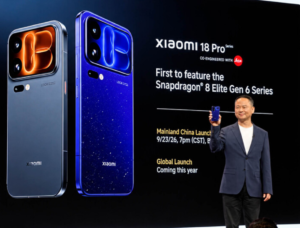
Xiaomi, the flagship brand, is where the company showcases its most cutting-edge technology and premium designs. Historically, Xiaomi smartphones have aimed to offer a near-flagship experience at a more accessible price point than established Western brands, a strategy they’ve termed “honest pricing.” This ethos continues, but with a clear upward trajectory in terms of ambition and execution.
Innovation Hub: Where Technology Takes Center Stage
The Xiaomi line is consistently the testing ground for new advancements. Think advanced camera sensors with unprecedented pixel counts, innovative display technologies like high refresh rates and under-display cameras (though still nascent), and the latest processors pushing the boundaries of mobile performance. When Xiaomi announces a new breakthrough in mobile photography, AI processing, or battery technology, it’s almost always debuted on a Xiaomi-branded device.
For instance, the Xiaomi 13 Ultra, with its partnership with Leica and a sophisticated multi-camera system featuring variable aperture, exemplifies this commitment to pushing photographic boundaries. Similarly, the focus on high-fidelity audio, premium build materials like ceramic and metal alloys, and advanced cooling systems for sustained performance are hallmarks of the Xiaomi series.
Target Audience: The Tech-Savvy Enthusiast and the Premium Seeker
The primary audience for Xiaomi-branded phones comprises tech enthusiasts who crave the latest and greatest, early adopters who want to experience groundbreaking features, and consumers who appreciate premium build quality and a sophisticated aesthetic. These users are often willing to pay a premium for these advancements, seeking a device that stands out and delivers an uncompromising performance. They are less concerned with budget constraints and more focused on the overall technological prowess and refined user experience.
User Interface: MIUI – Feature-Rich and Customizable
Xiaomi’s proprietary user interface, MIUI, is a significant part of the Xiaomi experience. Known for its extensive customization options, it offers a vast array of themes, icon packs, fonts, and system-level tweaks. While this level of control is appealing to many, it can also lead to a perception of bloatware or a steeper learning curve for users accustomed to a more minimalist interface. Over the years, MIUI has evolved significantly, incorporating AI-driven optimizations, enhanced privacy features, and a more streamlined design, but its extensive feature set remains a core characteristic. When comparing Xiaomi vs Redmi vs POCO, MIUI’s presence and features are a common thread, though subtle differences in pre-installed apps and themes might exist.
The Value Proposition: Redmi – The People’s Champion
Redmi, positioned as Xiaomi’s more budget-friendly and mass-market brand, is arguably the driving force behind the company’s global dominance. Redmi phones are engineered to deliver excellent value for money, focusing on core functionalities and reliable performance at incredibly competitive price points.
Striking the Balance: Performance Meets Affordability
Redmi’s strategy revolves around finding the optimal balance between essential features, reliable performance, and an attractive price. They often leverage slightly older, but still capable, chipsets, carefully select display technologies that offer good visual quality without breaking the bank, and implement camera systems that excel in good lighting conditions. The emphasis here is on delivering a smartphone experience that is more than adequate for the vast majority of users, without the superfluous bells and whistles that drive up the cost.
Consider the Redmi Note series, which has become a global phenomenon. These devices consistently offer large, vibrant displays, capable processors for everyday tasks and moderate gaming, and battery life that can easily last a full day or more. They represent the sweet spot for many consumers who need a dependable smartphone for communication, social media, browsing, and casual media consumption.
Target Audience: The Pragmatic Consumer and the Budget-Conscious Buyer
The Redmi brand speaks directly to the pragmatic consumer. This includes students, families, individuals on a tighter budget, and anyone who prioritizes functionality and reliability over the very latest innovations. They are looking for a device that “just works” and doesn’t require a significant financial outlay. The massive sales figures for Redmi devices worldwide are a testament to their success in capturing this crucial market segment. The choice between Xiaomi vs Redmi vs POCO often boils down to budget for this audience, with Redmi being the default consideration.
User Interface: MIUI for Redmi – Streamlined and User-Friendly
While Redmi phones also run MIUI, the version tends to be slightly more streamlined. There’s a greater emphasis on core functionalities and a slightly less overwhelming array of advanced settings compared to the flagship Xiaomi devices. This can make the Redmi experience more accessible for users who are less inclined to deep dive into customization. The goal is to provide a smooth and intuitive user experience out of the box, with essential features readily available.
The Performance Disruptor: POCO – Speed and Gaming Focus
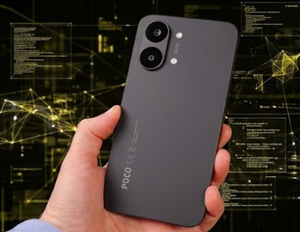
POCO, initially launched as a sub-brand of Xiaomi to challenge the premium segment with high-performance devices at lower costs, has carved out its own identity. POCO phones are typically geared towards users who prioritize raw performance, particularly for mobile gaming and demanding applications.
Uncompromising Performance: Power Under the Hood
POCO’s defining characteristic is its focus on powerful processors. They often equip their devices with high-end or upper-mid-range chipsets that deliver exceptional speed and gaming capabilities. This allows POCO phones to offer a flagship-level performance experience at a more competitive price than equivalent Xiaomi models. Beyond the CPU, POCO devices often feature fast refresh rate displays and optimized cooling systems to ensure smooth and sustained performance during intensive tasks.
The POCO F series, for instance, has earned a reputation for delivering flagship-grade processors and gaming experiences that rival much more expensive phones. They are designed for users who want to play the latest mobile games at high settings, multitask heavily, and experience incredibly fluid navigation.
Target Audience: The Gamer, the Power User, and the Value Performer
POCO targets gamers, power users, and anyone who demands exceptional performance without paying a premium for brand prestige or the absolute latest camera technology. These users are looking for a device that can handle anything they throw at it, from graphically intensive games to demanding productivity tasks. They appreciate the raw power and often overlook minor compromises in areas like camera quality or premium build materials if it means getting a performance beast for their money. The Xiaomi vs Redmi vs POCO debate often gets heated when performance is the sole metric, with POCO usually taking the crown for its price segment.
User Interface: POCO Launcher – A Unique Spin on MIUI
POCO devices also run a version of MIUI, but they often feature the POCO Launcher. This custom launcher offers a distinct user experience, often with an app drawer as a standard feature (which is not the default in standard MIUI), greater customization options for the home screen, and a focus on performance optimization. This allows POCO to maintain the underlying stability and features of MIUI while offering a more tailored experience for its performance-oriented audience. The aim is to provide a clean, fast, and efficient interface that complements the powerful hardware.
Navigating the Overlap: Where the Lines Blur
While these brand identities are distinct, there’s a natural overlap, especially as the market evolves.
Shared Technologies and Component Synergies
As part of the same corporation, Xiaomi, Redmi, and POCO benefit from shared research and development and component sourcing. This means you’ll often see similar display panels, battery technologies, and even camera sensors across devices from different brands within the Xiaomi ecosystem. This synergy allows for cost efficiencies and faster iteration of technology.
For example, a high refresh rate AMOLED display found in a flagship Xiaomi phone might trickle down to a higher-end Redmi or POCO device in the subsequent generation, albeit with some adjustments to other specifications to maintain price differentiation. Similarly, battery management software and charging technologies are often shared.
Model Proliferation and Market Segmentation
The sheer number of models released by Xiaomi can sometimes be overwhelming. To cater to a wider range of price points and feature sets within each brand’s target market, there’s a constant release of new devices. This can lead to confusion, as sometimes a POCO phone might have a slightly better processor than a Xiaomi phone in a similar price bracket, or a Redmi phone might offer a better battery than a similarly priced POCO.
It’s essential to look beyond just the brand name when making a decision. Always compare the specific specifications, features, and price of individual models. The Xiaomi vs Redmi vs POCO choice is rarely black and white; it’s about identifying the best specific device for your needs.
Key Differentiators Summarized
| Feature | Xiaomi | Redmi | POCO |
|---|---|---|---|
| Positioning | Flagship, premium, innovation | Value-for-money, mass market | Performance-focused, gaming |
| Target User | Tech enthusiasts, early adopters | Pragmatic consumers, budget-conscious | Gamers, power users |
| Key Strengths | Cutting-edge tech, premium design | Reliability, affordability, core features | Raw processing power, gaming performance |
| Camera | Often industry-leading, advanced sensors | Good in daylight, balanced performance | Functional, but not the primary focus |
| Performance | High-end, latest processors | Capable mid-range, smooth everyday use | Top-tier, gaming-oriented chipsets |
| Build Quality | Premium materials, refined finishes | Durable, functional | Often practical, focus on cooling |
| UI | MIUI (feature-rich) | MIUI for Redmi (streamlined) | MIUI with POCO Launcher (performance opt.) |
Conclusion: Finding Your Perfect Fit in the Xiaomi Universe
The distinction between Xiaomi, Redmi, and POCO is less about rigid categories and more about a spectrum of priorities. Xiaomi represents the pinnacle of the company’s technological aspirations, offering premium experiences and groundbreaking features. Redmi stands as the champion of affordability and accessibility, delivering reliable performance and essential functionalities for the everyday user. POCO carves its niche by delivering uncompromised performance, particularly for mobile gaming and demanding applications, at aggressive price points.
When embarking on your next smartphone purchase within the Xiaomi ecosystem, remember that the core principle of Xiaomi vs Redmi vs POCO is about understanding where your priorities lie. Are you seeking the absolute latest in mobile innovation, a dependable daily driver that won’t break the bank, or a pocket-sized powerhouse for gaming? By dissecting these brand philosophies and their respective strengths, you can confidently navigate the diverse offerings and select the device that best fulfills your unique mobile needs. The Xiaomi Corporation’s strategy of segmenting its brands has, for the most part, successfully catered to a vast array of consumers, ensuring that there’s a device for almost everyone under its expansive umbrella.


1 thought on “Xiaomi vs Redmi vs POCO: Which Phone is Right for You in”