Is the Era of Cheap Xiaomi Phones Ending? The Price Hike Shaking the Global Market
For years, the brand has been synonymous with unbeatable value, but the era of cheap Xiaomi phones may be hitting a major roadblock. As the tech industry faces mounting pressure from global component shortages, many fans are wondering if the days of finding high-end features at basement-level prices are coming to an end. With recent announcements affecting key markets, it is time to look at why your next upgrade might cost more than you expected.
The Current Price Surge: What’s Happening in India?
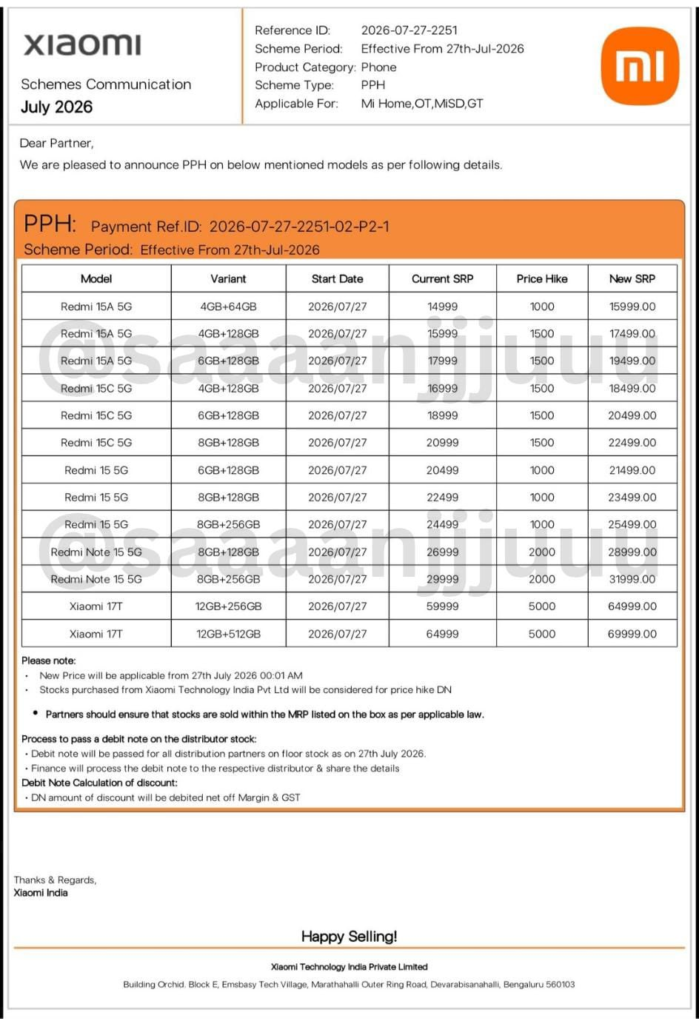
Recent reports confirmed by sources like this recent update indicate that the company has begun adjusting its pricing strategy. Starting July 27, 2026, several popular models in the Indian market have seen notable increases. These aren’t just minor adjustments; they represent a significant shift in how the brand balances profit margins with consumer accessibility.
The following table outlines some of the specific adjustments seen in this initial wave:
| Model Variant | Estimated Price Increase (USD) | Percentage Increase |
|---|---|---|
| Redmi 15A 5G / 15C 5G | $17 | 8-10% |
| Redmi 15 5G | $12 | 5% |
| Redmi Note 15 5G | $23 | 7-8% |
| Xiaomi 17T | $58 | 8-9% |
These changes took effect almost immediately for online retailers. For those currently shopping for a new device, this serves as a harsh reminder that the “budget-friendly” landscape is far from static. If you are looking for tips on navigating these changes, check out this buying guide to help you decide which device still offers the best bang for your buck.
Why Memory Costs Are Driving the Market
So, why the sudden change? It isn’t just about company margins. The tech world is currently suffering from a massive spike in the price of memory components, specifically DRAM and NAND Flash. As AI development in data centers reaches an all-time high, tech giants are buying up the bulk of the available supply.
Xiaomi President Lu Weibing noted earlier this year that the cost of a standard 12GB RAM and 512GB storage configuration has surged by nearly $200 compared to last year. When the raw materials become this expensive, the cost has to go somewhere. While the company has tried to absorb these costs, they ultimately have to pass some of that burden to the consumer to keep operations sustainable, especially with recent fluctuations in annual sales targets.
Will These Price Hikes Reach Your Country?
While the current announcement is focused on India, history suggests this is rarely a localized phenomenon. Often, pricing trends that start in major markets like China or India gradually expand to Europe and Latin America. In markets like Spain or Germany, where competition with brands like Apple and Samsung is fierce, we could see increases of 5% to 15% on new releases throughout the second half of 2026 and into 2027.
If you are a fan of the Redmi or POCO lineups, you might want to keep an eye on local pricing before the next generation of devices lands. To learn more about how the company handles long-term support and value, read about their current update policy.
Looking Ahead: Is There Light at the End of the Tunnel?
The big question remains: will we ever return to the “ultra-cheap” glory days? Probably not. The industry is shifting toward a model where hardware value is more closely aligned with actual component costs. However, Xiaomi is still leveraging HyperOS to add value through software optimization, which helps keep older phones relevant for longer.
If you are concerned about your next purchase, consider these three steps:
* Buy Now: If you have had your eye on a specific model, waiting might mean paying a premium later.
* Look for Deals: Older, current-stock models often remain at their original price point for a few weeks after a new announcement.
* Compare Value: Don’t just look at the price tag; look at the longevity of the device’s software support and hardware specs.
Frequently Asked Questions
Are these price increases permanent?
While the current hikes are a direct response to supply chain issues, they are likely to remain for the near future. If memory component costs stabilize in 2027, companies may look to normalize prices, but a full rollback is unlikely.
Will this impact all Xiaomi sub-brands?
Yes, the cost of components like RAM and storage affects the entire portfolio. From budget Smartphones like the Redmi series to higher-end flagship devices, the pressure on manufacturing costs is industry-wide.
Should I wait for next year’s models?
If you need a phone now, waiting might not be beneficial because next year’s models could launch at even higher price points. If your current phone is still functional, you might choose to hold off until the supply chain stabilizes in mid-2027.



1 thought on “Is the Era of Cheap Xiaomi Phones Ending? The Price Hike Shaking the Global Market”