Xiaomi Support Policy 2026: What’s Changing for Your Phone
Xiaomi support policy 2026. # Xiaomi’s Big Shake-Up: What the 2026 Xiaomi Support Policy Means for Your Phone!
Hey, Xiaomi Fans! Get ready for some crucial news that’s landed on our desks here at xiaomiforall.com. It looks like 2026 is shaping up to be a pivotal year for Xiaomi’s support policy, bringing a mix of emotions for users across the globe. We’ve just received confirmation from Xiaomi regarding significant changes to their software update strategy, which will impact thousands of devices. While some beloved gadgets are saying goodbye to official updates, others are getting an impressive extension, pushing Xiaomi closer to its competitors in the premium segment. Let’s dive deep into what this means for your Xiaomi, POCO, or Redmi device!
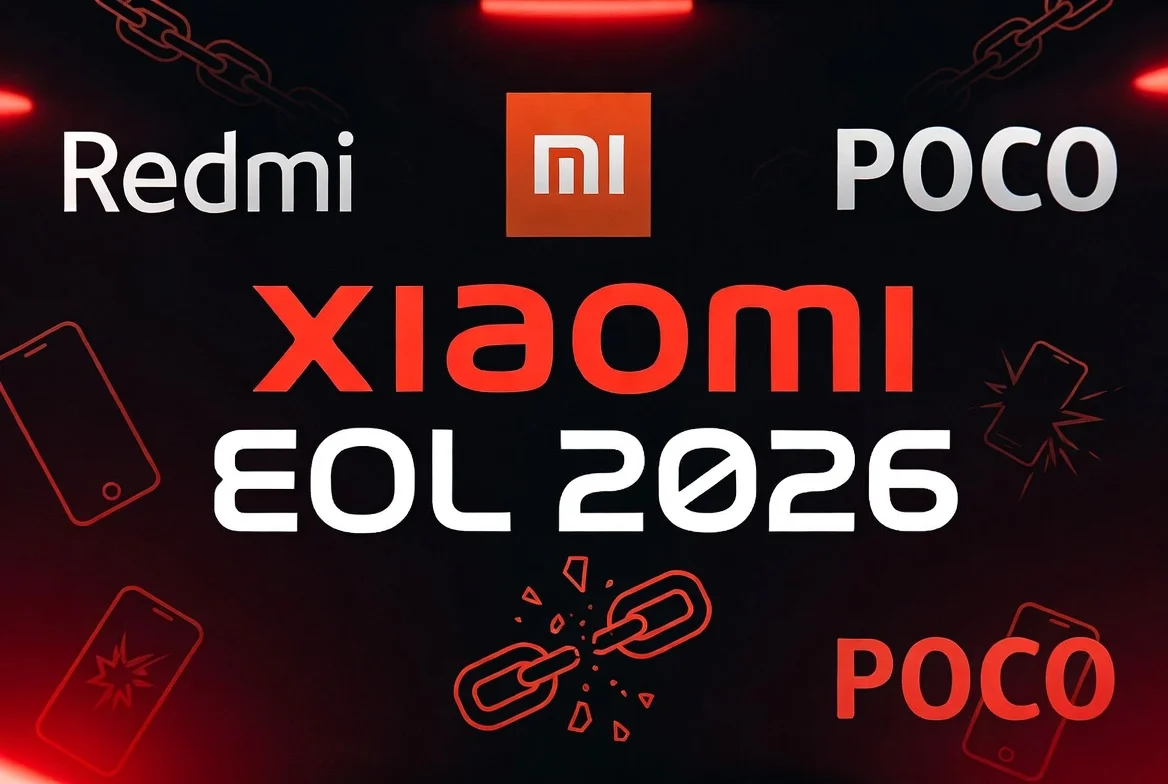
The End of the Road: Devices Losing Official Support in 2026
First, let’s tackle the bittersweet news. Over the course of 2026, a list of 19 popular Xiaomi devices will officially reach their End of Life (EOL) status. This means they’ll no longer receive HyperOS updates, new Android versions, or critical security patches. It’s a tough pill to swallow, especially if your daily driver is on this list. Most of these phones were launched between 2022 and early 2023, and they’ve already received the majority of the updates Xiaomi initially promised.
The affected models span across the Xiaomi, POCO, and Redmi brands, primarily focusing on mid-range and some older flagship-tier devices that have served us well for several years. This isn’t just about missing out on the shiny new features of HyperOS 4; it’s also about vital security updates that keep your data safe in an increasingly connected world.
Here’s a breakdown of the main models and series that will be losing official support throughout 2026:
| Brand | Main Affected Models | Estimated EOL Date | Previous Estimated Support |
|---|---|---|---|
| Xiaomi | Xiaomi 12 series (various) | Feb – Jun 2026 | ~4 years |
| POCO | POCO X5, X5 Pro | Mar – Aug 2026 | ~3-4 years |
| Redmi | Redmi Note 12 series, 11T Pro/Pro+ | Apr – Sep 2026 | ~3 years |
| Redmi | Redmi K50 / K60 (certain variants) | May – Nov 2026 | ~3-4 years |
| POCO | POCO F5, F5 Pro and some C/X series | Jun – Nov 2026 | ~3 years |
Note: Exact dates can differ based on your region (Global, EEA, India) and the specific variant of your device. Always check Xiaomi’s official support pages for the most precise information.
It’s important to understand that reaching EOL doesn’t mean your phone will suddenly stop working. Not at all! It simply means the software journey with official updates comes to an end. We’ll delve into what this truly implies for your daily usage a bit later.
What Does “End of Life” Really Mean for Your Xiaomi Phone?
When a device officially enters its EOL phase, the immediate implications for users are primarily software-related. For those of us using these phones, here’s the lowdown:
- No More HyperOS 4 (or Future Versions): If your phone is on this list, it won’t be getting the much-anticipated HyperOS 4 Release: The Redesign Changing Your Xiaomi Experience or any subsequent major operating system updates. This means you’ll miss out on new features, performance enhancements, and UI changes that newer OS versions bring.
- An End to Security Patches: This is arguably the most critical point. Official monthly or quarterly security updates will cease. These patches are designed to fix newly discovered vulnerabilities and protect your device from emerging threats. Without them, your phone’s software will gradually become more susceptible to security risks over time.
- Hardware Remains Functional: Your phone’s hardware isn’t affected. It will continue to function exactly as it did before. Calls, messages, apps, camera – everything will still work.
- Software Becomes Stagnant: While the hardware soldiers on, the software becomes a snapshot in time. Apps might eventually start requiring newer Android versions, or certain features may not work optimally with older software.
However, let’s be real: many users continue to use their EOL phones for another year or two without major issues, especially if they’re careful about the apps they install and the websites they visit. It really depends on your risk tolerance and usage patterns.
A Silver Lining: Extended Support for Premium Xiaomi Devices
Now for the good news – and it’s genuinely good news! In a significant move announced in January 2026, Xiaomi has decided to significantly step up its game in the premium and upper mid-range segments. Several devices in these categories will now boast an impressive 5 years of HyperOS support. This includes major Android version updates and consistent security patches. This decision is a direct response to long-standing community feedback and brings Xiaomi much closer to industry leaders like Samsung (who offer up to 7 years on flagships) and Google. It shows a clear commitment to improving the longevity of their higher-end Smartphones.
This enhanced Xiaomi support policy 2026 represents a huge leap forward from previous years, where even flagship devices often only received 3-4 years of support. For consumers, it means more value for their money and less pressure to upgrade frequently. This is excellent news for anyone considering investing in a high-end Xiaomi device.
Which models are benefiting from this fantastic extension? While the full list is still being finalized, here are some of the confirmed and highly anticipated beneficiaries:
- Xiaomi 15 series and Xiaomi 17 series: This includes the Ultra and Pro variants, ensuring their premium status is matched with premium longevity. If you’re eyeing the latest flagships, this is a huge plus.
- Redmi K90 and select K series models: This is great news for fans of Redmi’s performance-focused K-series, like the incredible Redmi K90 Ultra: The Gaming Beast for Under $440.
- POCO F7 Pro / F8 series (some models): POCO’s popular performance-for-money lineup is also getting some love, which is fantastic for the gaming and power-user community.
- Certain Redmi Note 15 Pro+ and recent Xiaomi tablets: This shows a commitment beyond just the absolute top-tier, extending to capable upper-mid-range devices and their tablet ecosystem. We’re even hearing buzz about the upcoming Redmi Note 17 Launch: Everything We Know About the October Release potentially benefiting from this extended policy from the get-go.
This move is a strong indicator that Xiaomi is listening to its users and adapting to market demands for longer-lasting devices. It’s about providing a more sustainable and trustworthy experience for those who choose to invest more in their Smartphone.
Options for Affected Users: What to Do If Your Phone is EOL
So, your device is on the EOL list for 2026. Don’t panic! You have several avenues you can explore. Here at xiaomiforall.com, we believe in empowering you with choices.
1. Continue Using Your Device (with precautions)
This is a perfectly valid option for many. Your phone won’t self-destruct. However, it’s wise to take some extra steps:
- Stick to Trusted Apps: Only download apps from official sources like the Google Play Store. Be wary of sideloading apps from unknown origins.
- Keep Browsers Updated: Your web browser (Chrome, Firefox, etc.) is your window to the internet. Browsers often receive independent security updates, so keep them current.
- Be Mindful of Sensitive Information: If you conduct banking or handle highly sensitive personal information on your phone, consider if an EOL device is still the best option for those tasks.
- Regular Backups: Always back up your important data to a cloud service or external storage.
2. Explore Custom ROMs
For the adventurous and tech-savvy among us, custom ROMs offer a lifeline. Communities like XDA Developers and LineageOS are incredibly active, especially for popular models like the POCO F series.
- What are Custom ROMs? These are unofficial versions of Android (or HyperOS derivatives) developed by independent developers. They often bring newer Android versions, custom features, and even security updates that official support might have ended.
- Pros: Breathe new life into your device, get newer Android versions, potentially better performance, more customization.
- Cons: Requires technical know-how, voids your warranty, potential for bugs, and unofficial nature means varying levels of support. Proceed with caution and research extensively.
3. Sell or Trade-In Your Device
If you’re looking to upgrade and want to recoup some of your investment, selling or trading in your device before it loses too much value is a smart move. An EOL status can affect resale value, so acting sooner rather than later might be beneficial. Check out various online marketplaces or trade-in programs offered by retailers.
4. Upgrade to a Supported Model
This is the most straightforward option for those seeking the latest features and guaranteed long-term support. With Xiaomi’s extended support policy for new flagships, there’s never been a better time to consider an upgrade.
- Recommended Upgrades: Consider the new Xiaomi 17 series (for cutting-edge features and 5 years of support), the POCO F8 Pro (for performance-per-dollar), or the Redmi Note 15/16 Pro series (for excellent mid-range options with solid support). Keep an eye on News for new releases.
Conclusion: Is Xiaomi Truly Improving Its Software Game?
Looking at the Xiaomi support policy 2026 in its entirety, it’s a mixed bag, but with a clear upward trend in certain areas. On one hand, Xiaomi has indeed taken a significant step forward by extending support to a generous 5 years for its newest and most premium devices. This directly addresses years of criticism regarding its update policies and signals a genuine commitment to customer satisfaction and device longevity in the competitive high-end market. It’s a move that should instill greater confidence in consumers considering a premium HyperOS device.
However, for the vast majority of users who opt for Xiaomi’s incredibly popular mid-range and budget-friendly devices, the support cycle remains relatively short – typically 3-4 years. This disparity still leaves many in the community feeling frustrated, as these are the phones that reach the broadest audience. As the imminent launch of HyperOS 4 in August 2026 approaches, many will undoubtedly be weighing their options: Is it worth continuing to invest in a brand with a two-tiered support strategy, or are competitors with more consistent, longer-term policies across their portfolios becoming more appealing?
It’s a conversation worth having! Is your device on the 2026 EOL list? Let us know in the comments below which phone you have and when its support is expected to end. Your insights help the entire xiaomiforall.com community!


2 thoughts on “Xiaomi Support Policy 2026: What’s Changing for Your Phone”